Smoke over Kabul: a hospital, a claim, and the human toll that refuses to stay a number
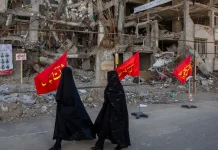
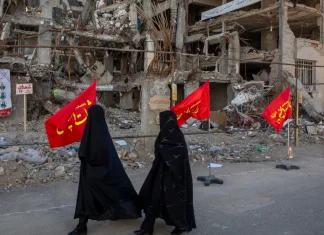
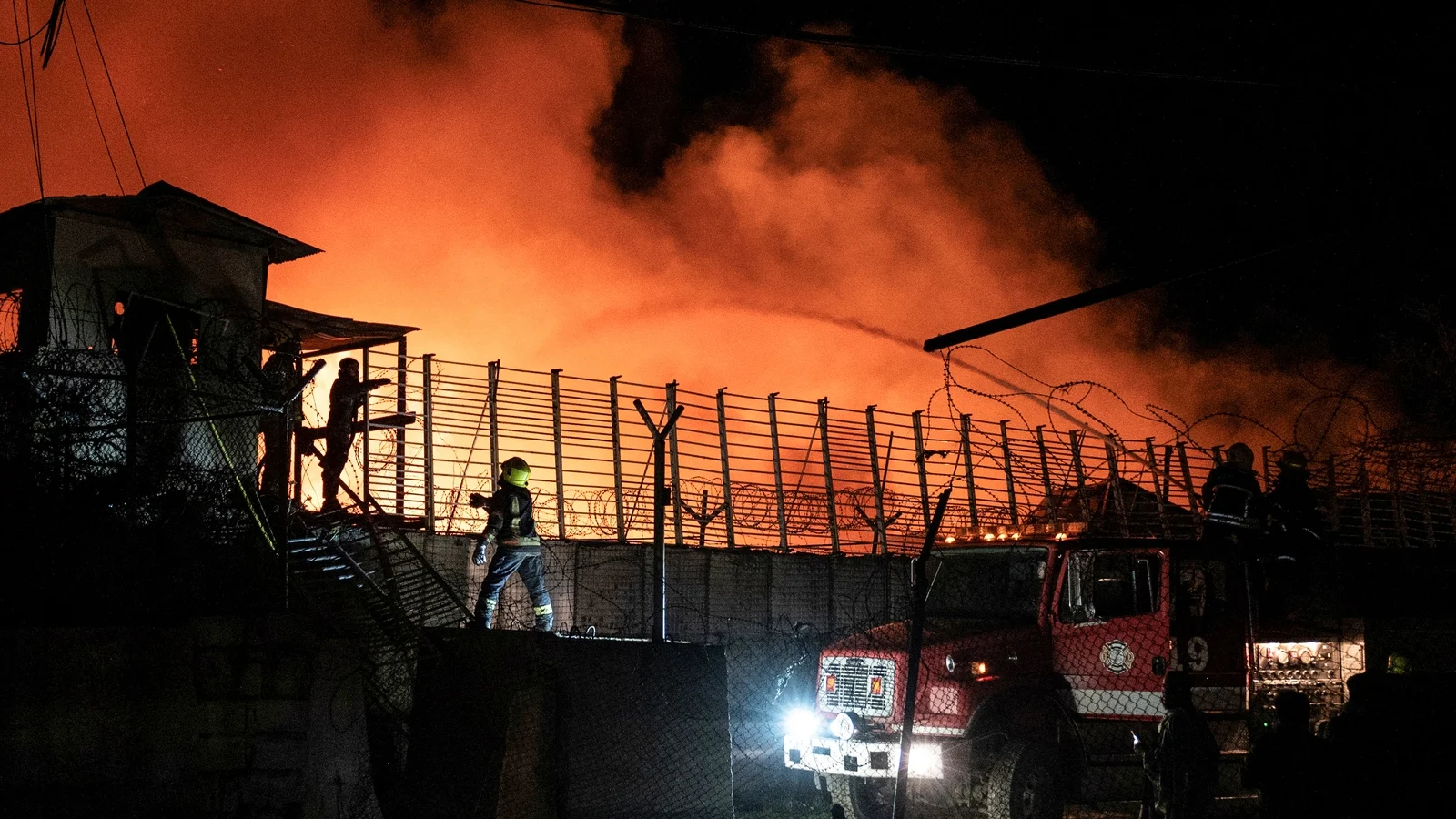
The morning air in western Kabul tasted of diesel and ash. Neighbourhoods that usually hummed with barbershop banter and the clack of tea cups were silent except for the distant rasp of ambulances and the dull thud of people digging through rubble. A multi-storey building that residents said had been a 2,000‑bed drug rehabilitation hospital lay in ruins—its windows blown out, corridors collapsed, corridors riddled with blackened mattresses.
“We were playing cards downstairs when the first explosion came,” said a woman who identified herself as Laila, 47, clutching a scarf around her shoulders. “Then the ceiling fell. We carried children out in our arms. There was blood everywhere—on the stairs, on the walls.” Her voice was hushed, the kind of quiet that follows an effort to hold grief together.
Competing narratives: what was hit, and who is to blame?
By midday, the Taliban’s deputy spokesman had posted on X that a Pakistani air strike had struck the rehabilitation hospital, killing at least 400 people and injuring another 250. “Large parts of the hospital have been destroyed, and there are fears of heavy casualties,” the post read, and rescue workers scrambled at the scene to extinguish fires and pull bodies from the wreckage.
Pakistan’s Information and Broadcasting Ministry categorically denied the allegation. In an overnight statement on X, Islamabad said it had “precisely targeted military installations and terrorist support infrastructure,” naming ammunition and technical equipment storages used, it said, by militants who launch attacks across the border. “No collateral damage,” the ministry insisted, calling the hospital claim “misreporting of facts.”
Independent verification of the casualties and the exact target remains elusive. International journalists have had limited access to the area, and Reuters noted that it could not corroborate the Taliban’s casualty figures. In a region where each claim can be weaponized, the truth often arrives late—if it arrives at all.
Voices from the rubble
“This was a place for people to recover,” said Dr. Habibullah, a clinician who had been working at the facility until last night. He spoke with his hands trembling. “We treated people for addiction, for withdrawal, for the wounds war had left on so many lives. There were mothers here, sons, people trying to start over. If this is an attack, then who protects the people?”
A rescue worker named Farid, covered in dust, offered a different kind of observation. “We found medical records and prayer beads next to splintered beds. I saw a wheelchair crushed. When you lift a mattress and find a tiny children’s shoe, words fail you.” He paused. “We keep pulling, and pulling, and the pile gets deeper.”
Why this matters beyond the headlines
At first glance, this is another episode in a dangerous and deteriorating relationship between two South Asian neighbours who were once close allies. But the image of a hospital—one symbolizing care and recovery—reduced to rubble strikes a chord far beyond Kabul.
For Pakistan, the public case has long been that militants attack from sanctuaries across the porous Afghan border. Islamabad says that groups such as the Tehrik‑i‑Taliban Pakistan (TTP) and other militants have established safe havens, staging attacks and then melting away. For Kabul’s Taliban rulers, however, the charge is overt violation of sovereignty and an attack on civilians. “Tackling militancy is Pakistan’s internal problem,” the Taliban have repeatedly said.
Between these contending narratives sits a stark reality: civilians bear the brunt. Hospitals, schools, markets—places of refuge—become contested spaces when warfare invades daily life. The UN’s Special Rapporteur for human rights in Afghanistan, Richard Bennett, said he was “dismayed” by reports of Pakistani air strikes and the possible civilian toll, urging restraint and respect for international law.
Where verification fails and rumours spread
One of the cruel features of modern conflict is that the truth is starved for oxygen. Media access is restricted, local reporting happens under duress, and each side spins a version of events that serves the strategic narrative. That vacuum is often filled by social media amplifications—photos, videos, claims—many of which cannot be independently verified.
“We are seeing an information war layered on top of a kinetic one,” explained Dr. Ayesha Khan, a regional security analyst based in Islamabad. “When states conduct cross‑border strikes, they do so with an eye on both the battlefield and international public opinion. Accusations of targeting hospitals raise immediate legal and ethical concerns, and so both sides have incentives to control the narrative.”
Local color: life in a city stitched together by resilience
Kabul’s western districts—where the hospital stood—have always been a mosaic of narrow alleys, crowded bazaars, and walled compounds. Tea‑houses still serve the same sweet tea that elders sip while narrating stories of the 1970s; schoolchildren run alongside goats and the scent of roasted cardamom fills the air. Yet beneath this everyday life runs a current of trauma and fatigue. Generations have known little else but conflict and negotiation.
“We pray five times a day, we tend our gardens, we try to sell carpets and keep our children in school,” said Mariam, a local carpet weaver, her palms stained with dye. “But when the sky turns black with missiles, everything we do becomes an exercise in making sense of danger. We keep hoping for a different day.”
What comes next? Diplomacy, disclosure, and a question for readers
Diplomatic channels have been dancing around this confrontation. Friendly nations, including China, have reportedly tried to mediate an end to the fighting. Ceasefire initiatives have flared and faded. For now, the smoke over Kabul is a reminder that fragile respites can shatter in an instant.
Beyond the immediate search and recovery, several pressing questions demand attention: Will there be an independent inquiry into what happened? Can humanitarian agencies gain access safely to tend to survivors? Will cross‑border strikes become a new normal, or will regional diplomacy hold?
- Casualty claims: Taliban spokesman—at least 400 dead, 250 injured (reported; not independently verified).
- Facility size: the hospital was described by local sources as a 2,000‑bed rehabilitation centre.
- International response: UN special rapporteurs and rights bodies have called for restraint and protection of civilian objects like hospitals.
What do you think—the primacy of state security, even if it risks civilian infrastructure, or the inviolability of humanitarian spaces? Where does accountability fit in when borders blur and narratives clash?
Final thought
For the families gathering at the scene—those clutching photos of missing relatives, those naming the dead aloud in the dust—the legal debates and diplomatic manoeuvres are distant, abstract things. They want one basic thing: to know whether their loved ones will be counted, accounted for, and remembered. In a region where history often repeats itself in scenes of devastation, perhaps the simplest demand is also the most urgent: transparency, access for humanitarians, and the protection of the places where people come to heal.
As rescue teams continue to comb through the wreckage and the world waits for clearer evidence, the ruined hospital will stand as both a human tragedy and a test of whether regional actors can prevent further harm to the innocent in pursuit of security aims. The question is not only who struck the building, but what kind of future the people of Afghanistan and Pakistan will choose to build after the dust settles.