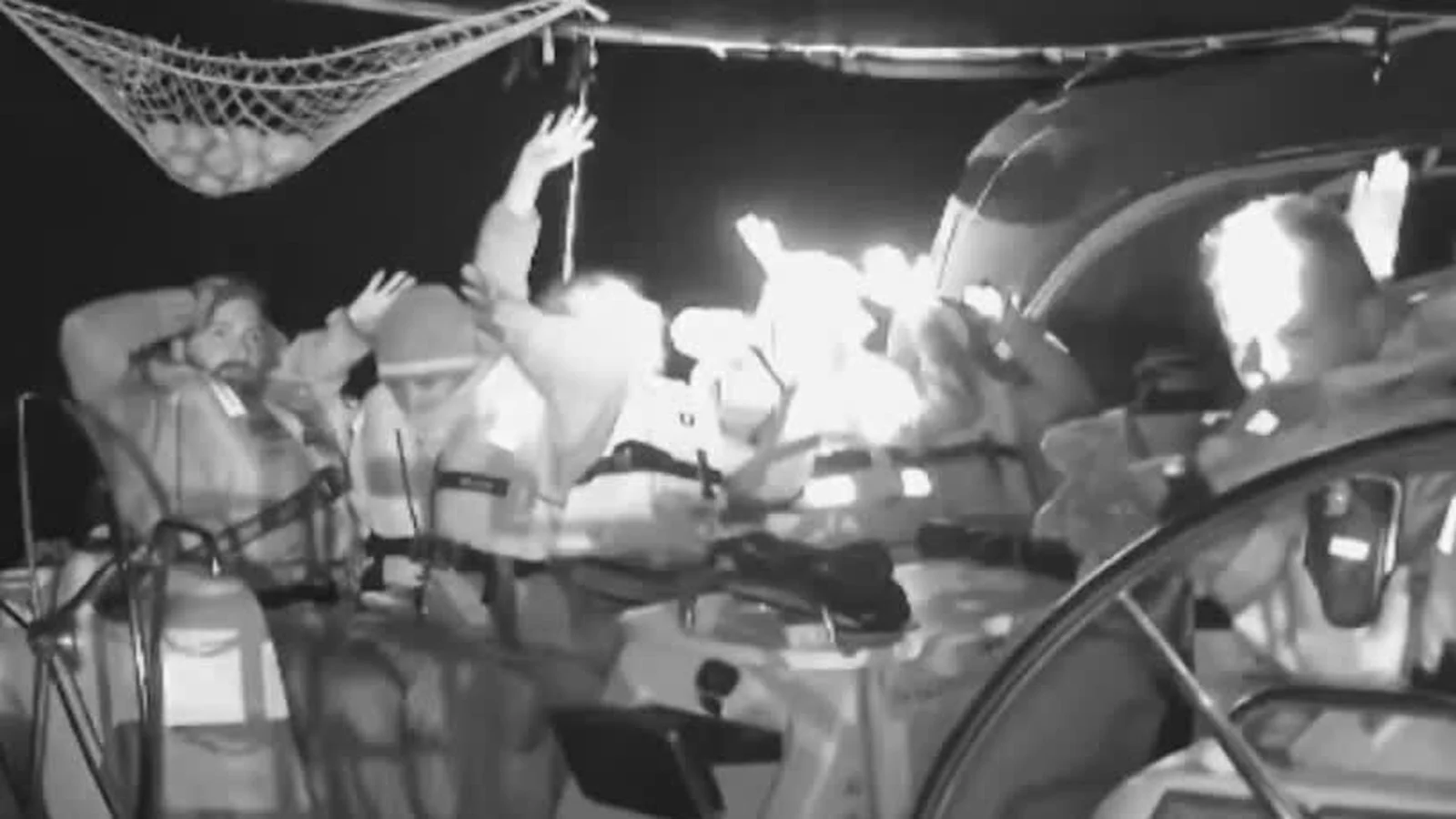
Night on the Aegean: The Magic Boat, Anxious Families, and a Flotilla Pulled from the Sea
It was the kind of image that lodges in your chest—small vessels forging across dark water, headlamps blinking like distant fireflies, volunteers bundled against salt and wind, resolute faces lit by the glow of phones and hope. And then, suddenly, silence: the GPS tracker freezes, messages stop, and loved ones on the shore begin the slow, terrible work of imagining what might have come next.
That is the scene Irish families and activists lived through this week when an international aid flotilla en route to Gaza was intercepted off the coast of Greece. The operation, carried out by Israeli forces, resulted in the detention of 175 people aboard multiple vessels. Among them were Irish citizens—seven of whom, Irish officials say, were released this morning.
From Barcelona to the Blue: Why They Sailed
The convoy, organized under the banner of the Global Sumud Flotilla, left ports across the Mediterranean with a simple, urgent mission: deliver humanitarian aid to Gaza and draw attention to the acute needs there. Volunteers came from across Europe and beyond—retirees, teachers, medical volunteers, people who said they had never been political before but could not stand idly by as reports of civilian suffering mounted.
“He had never been political before this,” said Natalie Murphy, whose father left Barcelona with the flotilla a month ago. “But seeing the children and the devastation—it lit something in him. He wanted to help. He wanted to be where the need was. That’s what we thought, anyway.”
Murphy and her family tracked the progress of her father’s vessel, the one listed as the Magic Boat, on the flotilla’s online tracker. For days, the feed showed movement and routine updates. Then, late Wednesday, the boat went silent. “He’d been WhatsApping us every day. We had messages at 10pm and then nothing,” Natalie said. “Four hours. Then everyone assumed the worst: that they’d been intercepted.”
Numbers and Voices
The facts are stark: 175 people detained across the flotilla; at least seven Irish citizens among them; a small number released by morning, according to Irish officials. The Department of Foreign Affairs says it is providing consular assistance and actively engaging with relevant authorities. President Catherine Connolly’s sister, Margaret Connolly, was on one of the ships but, we are told, that particular vessel was not boarded and is still sailing toward Greece.
Taoiseach Micheál Martin, speaking from Athlone, was unambiguous in his condemnation. “The seizure of the flotilla in what appears to be international waters is not acceptable,” he said. “Israel must abide by international law and the rule of law.” Meanwhile, Foreign Affairs Minister Helen McEntee posted on social media calling for the immediate release of Irish citizens and for their safety and welfare to be guaranteed.
The Human Side: Fear, Pride, and the Small Daily Rituals of Waiting
There is a particular cruelty to waiting that only those who have done it can name. Families refresh news sites, call friends, and scroll social feeds searching for a single message: an “I’m okay.” The hours stretch and ache. Natalie described that ache simply: “You feel proud—he’s doing something brave—but you’re also terrified. You try not to be the parent who says ‘don’t go’ too loudly, because you know some things people have to do. But when a phone goes silent, you feel every possible fear.”
In household kitchens across Ireland, people prepared statements, made calls to consulates, and argued softly about whether they should go to the airport. Local volunteers who had helped organize logistical support said the community response was immediate—stews and sandwiches for anxious families, prayer vigils and online watch parties. “We made a rota to keep watch on the tracker and to answer calls,” said one volunteer in Dublin. “When the feed stopped, everyone pooled information—who had last spoken to whom, where boats were last seen.”
What International Law Says—and What It Doesn’t
The legal arguments around maritime interception are knotty and have been debated since festivals of ships carrying aid began challenging blockades. International law recognizes freedom of navigation on the high seas, but it also allows for enforcement measures in certain circumstances, such as an internationally recognized blockade or an order from the UN Security Council—conditions that are seldom tidy in practice.
“There are layers here—legal, moral, political,” explained a maritime law scholar contacted for this piece. “If a state claims a lawful blockade, it can assert rights to intercept vessels, but it must do so proportionately and in accordance with international humanitarian law. Even then, intercepting in international waters raises serious questions about jurisdiction and treatment of those detained.”
History adds weight to these questions. The 2010 Mavi Marmara incident, where Israeli forces boarded a flotilla bound for Gaza and nine activists were killed, left deep international scars and legal disputes that ripple forward to today. That past is part of why many aboard this flotilla described their mission as both humanitarian and profoundly symbolic.
Beyond the Incident: Why This Matters to a Global Public
We live in an era where civilian activism increasingly seeks to pierce the formal barriers that can block aid—both physical blockades and the bureaucratic mazes that slow deliveries to suffering populations. When ordinary people take to the sea, they ask uncomfortable questions: Who decides where aid goes? Who enforces the rules, and who is accountable when those rules are bent, broken, or ignored?
This episode is not just about one night off Greece; it’s about the larger friction between states’ security concerns and the global impulse to respond to human suffering. It is about volunteers—retirees, nurses, fathers—trying to translate moral outrage into action. And it is about how democracies respond when their citizens are detained far from home.
How should governments balance quiet diplomacy with public pressure? When is protest a necessary spotlight, and when does it risk inflaming tensions? These are not merely academic questions: they shape lives, and they determine whether aid reaches a hospital in time or a child gets needed medicine.
A Pause, Then Action
For now, there is relief for some families as the released Irish citizens arrive home. But the broader questions remain unresolved, and the moral and legal debate will continue. The Department of Foreign Affairs says it will continue to monitor the situation and provide support. The international community—European partners, human rights organizations, and legal experts—will, no doubt, be asked to weigh in.
As we watch the tracker feeds and read the statements, we should remember the faces behind the numbers: volunteers with sunburned forearms, fathers who left to do what they believed was right, sisters waiting for a phone call. The sea, it turns out, is not just water; it is a stage where law, conscience, and power meet.
So I ask you, reader: when ordinary people turn outrage into action, do we applaud their courage or warn them of the risks? Can rules of the sea be enforced without breaking the rules of humanity? And perhaps most urgently—how do we ensure that, when the noise fades and the immediate crisis passes, the needs that sent those boats to sea are not forgotten?
- 175 people detained during the flotilla interception
- Seven Irish citizens reported released this morning
- Global Sumud Flotilla departed from multiple ports, including Barcelona, roughly a month ago
We will keep watching these currents, and we will keep asking the hard questions. And for the families waiting by their phones tonight: may the answers come soon, and may they be humane.