When a GIF Became a Reckoning: How a Viral Post Pulled the Veil Off American Dehumanization
Late one autumn night, a minute-long video blinked onto a feed watched by millions. It began as the sort of online stew that rarely gets anyone out of bed: conspiracy-laden claims about voting machines, cuts of campaign rallies, a soundtrack meant to tug partisan heartstrings.
And then, in the final frames, something else arrived — a flash of dancing primates with the faces of Barack and Michelle Obama superimposed. The effect was immediate. Fury. Shame. A dozen calls into a press office. Republicans and Democrats, allies and critics, in unison: this was wrong.
“It wasn’t just tasteless. It was textbook dehumanization,” said Dr. Aisha Ncube, a historian of race and visual culture at Wesley College, who has spent two decades studying the pictorial language used to otherize African-descended peoples. “There’s nothing new about comparing people of African ancestry to apes — it’s been a central pillar of white supremacist imagery for centuries. But seeing it surface from a seat of power is a different kind of alarm.”
From Meme to Crisis: The Timeline
The clip, shared on the president’s social platform, was up for roughly 12 hours before a staffer took it down. The White House offered a series of competing accounts: first, a defense that framed it as a harmless internet meme; then, an acknowledgment that an aide had posted it in error; finally, a terse public statement from the president condemning the image — without an apology.
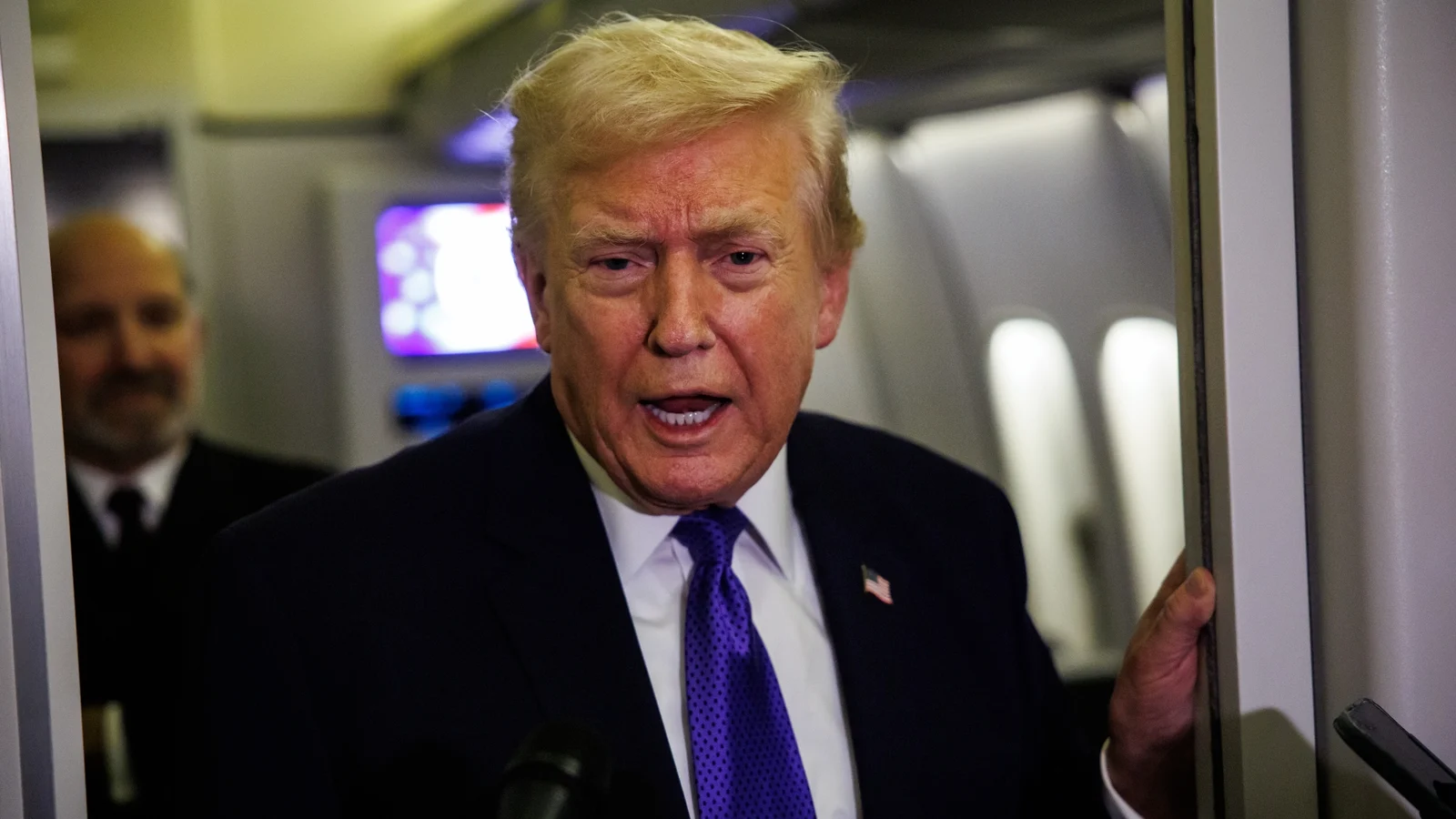
“I didn’t see the whole thing,” the president told reporters, according to those who were there. “I looked at the first part. It was about the machines and how crooked it is.”
Whether or not he watched it in full, the damage was done. The video reignited old wounds while forcing a new conversation about the porous borders between fan-made content, official channels, and the responsibilities of the people who control them.
Who Felt It First
In Chicago’s Hyde Park neighborhood, where Barack Obama’s political life unfurled, people watched the clip with an edge of personal pain.
“We grew up playing basketball under murals of the Obamas,” said Maria Lopez, a 34-year-old teacher who has lived blocks from the former president’s South Side neighborhood. “To see them reduced like that — it hits your gut. It wasn’t political to me. It was a moral thing.”
Farther afield, Republican Senator Tim Scott, a prominent Black lawmaker and occasional ally, posted on social media: “Praying it was fake because it’s the most racist thing I’ve seen out of this White House.” His words were echoed by others across the aisle who demanded accountability.
Why This Matters Beyond One Image
At first glance, a crude GIF might seem like small potatoes in a larger political war. But images, especially demeaning ones, do far more than offend. They shape narratives, normalize cruelty, and—over time—erode the dignity of entire groups.
“Dehumanization is a primer for violence and exclusion,” warns Derrick Johnson, president of the NAACP. “When those in high office amplify imagery that strips people of their humanity, it lowers the threshold for discriminatory policy and social cruelty.”
Studies in social psychology back this up. Research has repeatedly shown that when groups are portrayed as less than human, empathy wanes and support for punitive measures rises. This isn’t abstract; it translates into policy, policing, and public sentiment.
History Isn’t Nostalgia
The arc of racist caricature runs long and ugly. From 19th-century pseudoscientific drawings to 20th-century propaganda, imagery that equated Black people with animals was used to rationalize slavery, segregation, and colonial conquest. To many scholars, the GIF was a small, digital echo of those historical tropes.
“This is what happens when centuries of iconography migrate into new media,” said Prof. Lionel Hart, a visual culture expert. “Platforms speed things up, but the meaning is the same.”
Inside the White House: A Tale of Mixed Messages
What followed inside the corridors of power was as revealing as the post itself. Only a handful of senior aides reportedly have direct access to the president’s account; those privileges are treated like keys to the vault. Yet, within a day, the White House narrative fractured—first defending the clip as a playful nod to pop culture and then backpedaling as pressure mounted.
“There was an attempt to dismiss it as a harmless parody, but the public reaction made the cost immediately clear,” said a White House staffer who spoke on the condition of anonymity. “Not every meme is inocuous. Part of our job is to vet the content people are asked to share.”
That conversation—about gatekeeping, judgment, and the speed of modern communications—will not simply disappear when the news cycle moves on. The president’s social posts routinely set the agenda, and that gives them outsized consequences for markets, foreign policy, and cultural tone.
Procedures and Personality
There are practical questions too. How many hands touch a presidential post? What internal standards exist for images and claims shared to a platform with nearly 12 million followers? And who bears responsibility when harm follows?
“Institutions need stronger protocols,” advised Elena Park, a digital communications consultant who has advised several political offices. “When content can reach tens of millions within minutes, you can’t treat social channels like personal megaphones.”
The Larger Picture: Why Symbols Matter
What makes this episode resonate is not only whose faces were used but what such imagery signifies. Dehumanization has been a recurring instrument in the political toolbox across eras and geographies, deployed to justify disenfranchisement, segregation, and exclusion.
Are we willing to tolerate leaders amplifying images that feed those old mechanics? Or do we hold higher standards for those who govern? The questions are not rhetorical. They demand answers from voters, from institutions, and from any citizen who values a polity grounded in mutual respect.
Moving Forward: Accountability and Memory
Calls for apologies and firings rose in the aftermath. Religious leaders, civil rights organizations, and many everyday citizens demanded a reckoning. Some Republicans privately urged damage control. Others asked for clear consequences.
“Let it haunt them,” Ben Rhodes, a former aide to President Obama, wrote online. “History will remember the gestures that built bridges and the ones that burned them.”
Whether this moment will be a footnote or a turning point depends on the responses that follow. Will protocols be tightened? Will there be a substantive reckoning with the systemic imagery that underlies such flippant attacks? Or will the clip be swept into the torrent of disposable outrage that now defines our online life?
What Can Readers Do?
Every consumer of media has a role. Pause before sharing. Ask where an image comes from. Demand better from leaders. Teach younger generations to identify and reject imagery that strips away human dignity.
- Check sources before you share: where did the image originate?
- Contextualize: understand the history behind dehumanizing imagery.
- Speak up: contact elected officials and platform operators when content crosses lines.
In the end, digital artifacts like this GIF force a reckoning not just with one community or one administration, but with ourselves. What stories do we want to normalize? What histories do we want to repeat—accidentally or on purpose?
If the last few days taught us anything, it is that a single post can wake a nation. What will we choose to do when it does?