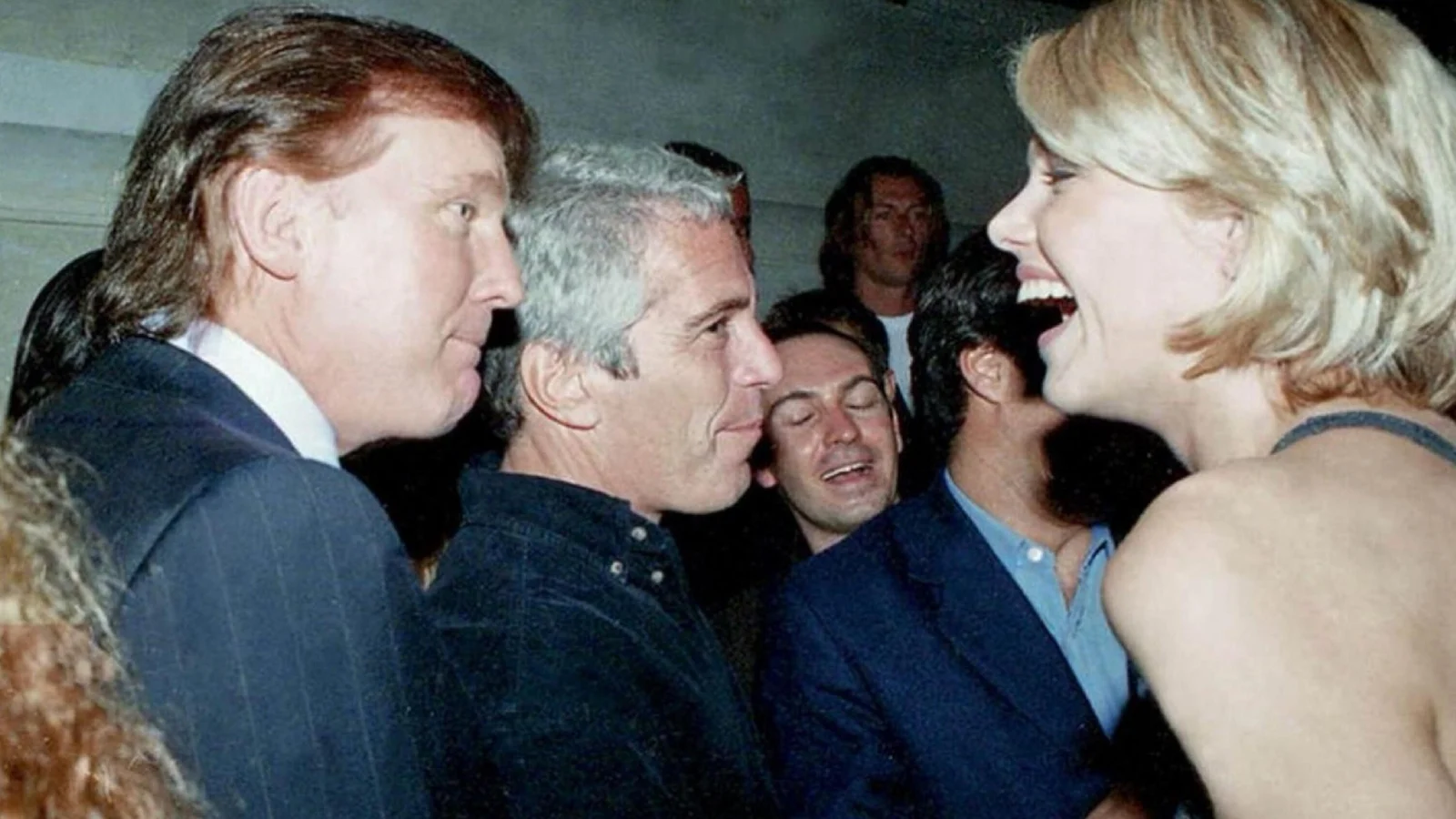
When a Photograph Becomes a Mirror: Trump, Epstein and the Weight of an Image
On an otherwise sunlit day in Washington, a small stack of black-and-white photos landed like a pebble in a still pond — ripples fanned out across cable news, social feeds and the corridors of power. Eighteen or nineteen frames, House Oversight Democrats said, plucked from the sprawling trove of materials left behind by the late financier Jeffrey Epstein. Among them: three images featuring the sitting US president. The reaction was swift, predictable and strangely intimate.
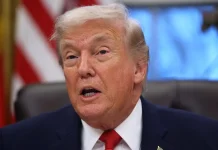
“Everybody knew this man,” President Donald Trump told reporters at the White House, brushing off the optics as no different from the kind of social snapshots that populate every society’s scrapbook. “He was all over Palm Beach. He has photos with everybody. I mean, almost — there are hundreds and hundreds of people that have photos with him.”
Those words, blunt and unembellished, do the work of both defense and dismissal. But they don’t erase the way a single photograph can rearrange public attention; they don’t account for the questions it invites, the memories it stirs, or the politics it feeds into. Images are not evidence in a courtroom, but in the court of public opinion they function like evidence — or at least like provocation.
What the Release Actually Shows
The committee released 19 images from an estate that reportedly contains more than 95,000 photos. Of these, three show Mr. Trump: one a grainy black-and-white shot with him smiling between two women whose faces were redacted; another where he stands beside Epstein; and a third where he sits with a woman whose face is also obscured, a loosened red tie suggesting the photo was taken at some hour of the evening rather than a boardroom meeting.
There is no caption attached, no date, no location stamp. The Oversight Committee said they were making a preliminary release as part of a broader review. “At this stage, the committee is cataloging and assessing material,” a spokesperson said, noting that the estate produced the images under court order. The committee has not alleged wrongdoing based on the images.
That caveat matters. So does context. Jeffrey Epstein died in 2019 in a Manhattan jail cell; his death was ruled a suicide by the medical examiner. Subsequent inquiries and a July statement from the Justice Department concluded that prosecutors found no “client list” or sufficient evidence to pursue third-party criminal charges related to sex trafficking in that investigation. Still, the release of estate materials has reopened questions about social networks, accountability and the ways influence can protect — or implicate — the powerful.
Numbers and Narrow Facts
Here are the concrete details: 19 images released, more than 95,000 images reportedly produced by Epstein’s estate, and three photographs that include President Trump. In polls released this week by Reuters/Ipsos, only about half of Republicans approved of Mr. Trump’s handling of the Epstein matter — a number noteworthy because it falls well below his 85% approval among Republicans generally.
The Palm Beach Backdrop: Sun, Sand and Social Circles
To understand why a few photographs stir such heat, have a look at Palm Beach itself. This Florida barrier island is a parade of stucco and palm, a place where croquet lawns abut ocean views and social calendars are as important as weather reports. It has long been a theater for the affluent — fundraisers, gala circuits, and the kind of introductions that lead to photographs shared and re-shared over decades.
“In the ’90s everyone had their picture taken,” says a longtime Palm Beach resident who asked to remain anonymous. “You were introduced at a party, you posed for the photographer, it was just what people did. The problem is that a photo can outlast an explanation.”
For many locals, these images are both mundane and unsettling. “We used to laugh about the celebrity cameos at our charity events,” a former social director at a Palm Beach club recalled. “But laughter turns quicker than you think when the person in the picture becomes the center of a criminal story.”
Voices in the Noise: Officials, Experts and the Public
Across the political spectrum, the images are being read through familiar lenses. Allies insist the pictures are harmless social artifacts. Critics argue they demand greater scrutiny and transparency. In between are legal analysts who caution against leaping to conclusions.
“A photograph is a starting point for inquiry, not a conclusion,” said a former federal prosecutor. “Context matters — where it was taken, who else was present, whether any illegal conduct is documented. Media exposure can create pressure, but it doesn’t replace the need for evidence.”
A Washington strategist aligned with House Oversight Democrats framed the release as a civil-rights style fact-finding mission. “This is about building a public record,” she said. “People deserve to see what has been withheld and why.”
On the right, voices worry the timing is political theater. “You can parade photographs, but unless there’s new factual evidence, it’s just theater,” said a conservative commentator on a Sunday show. “The quicker we get back to policy and governing, the better.”
Why Photos Still Hold Power
We live in an era where an image can be both instantaneous and archival. A phone photo can travel the planet in seconds and then sit in an estate for years before reemerging in a congressional release. That elasticity — its ability to be both ephemeral and permanent — is precisely what gives pictures their power and their risk.
Consider the cultural mechanics: a photograph connotes presence. It suggests proximity, shared space, at least a moment’s acquaintance. For a public figure, proximity itself is a political commodity. In a polarized age, even proximity can be framed as complicity.
But proximity is not guilt. Legal standards require proof of wrongdoing. Social standards, however, are more elastic.
Questions to Consider
- What should the public expect from investigations that rely heavily on personal material recovered after someone’s death?
- When does social familiarity cross a line into enabling or concealing harm?
- How should journalists and lawmakers balance the public’s right to know against the risk of creating misleading narratives from fragmentary evidence?
Looking Ahead: Transparency, Politics and the Shape of Accountability
As the Oversight Committee sifts through tens of thousands of images, the broader conversation will shift between legal specifics and reputational judgment. The DOJ’s prior assessments and the coroner’s finding about Epstein’s death remain part of the factual scaffolding. Yet politics is not only shaped by proofs; it’s shaped by perception, timing, and the narratives that photos can stitch together.
“People are hungry for clarity,” a local activist put it. “They’re tired of unanswered questions. But clarity doesn’t always come in a single release. It comes in sustained, transparent inquiry.”
One image does not a case make. But it can rekindle memory, reignite suspicion, and redraw social maps. It can also force a society to ask what it wants from the institutions that guard truth and mete out consequence.
So where do we land? Maybe not on certainty. But perhaps on a steadier demand for transparency, for context, and for patience. Photographs are fragments of a human life. They are also, increasingly, the currency of public judgment.
And you, reading this — what do you see when you look at a photograph that features someone famous? Do you see evidence, or an invitation to investigate? Do you see a moment or an indictment? The answer may tell us as much about ourselves as it does about the people in the frame.