The Billion-Dollar Seat: When Peace Has a Price Tag
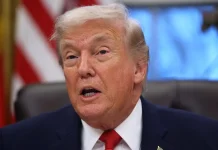
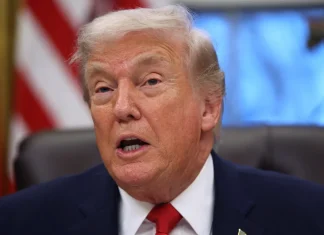
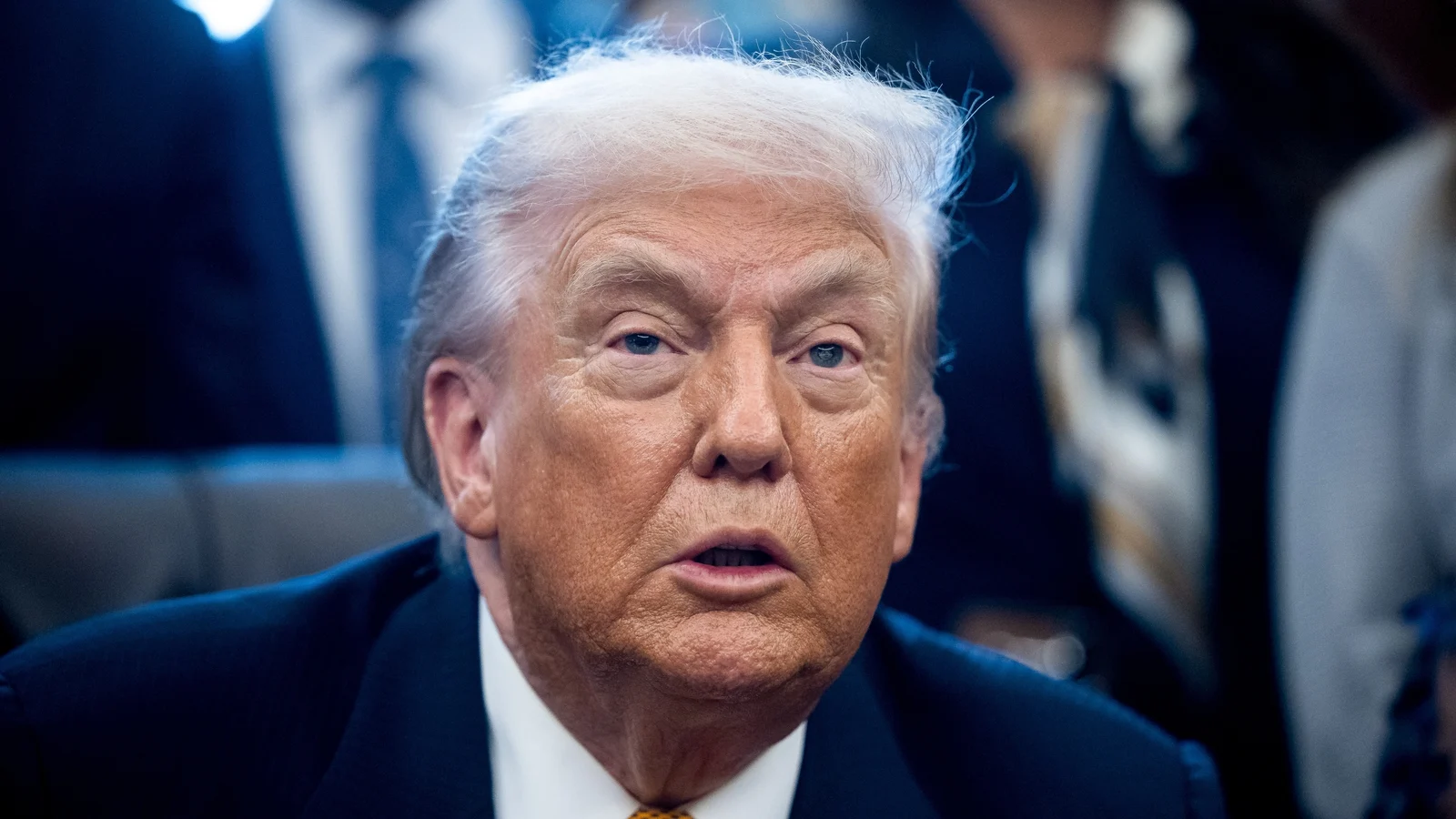
Imagine a mahogany table, polished to a mirror sheen, its edges lined with flags and names of nations. Above it hangs a plaque: “Board of Peace.” The catch? To keep your chair you must hand over $1 billion.
It sounds like a fable, the sort of satire that belongs in late-night sketches. But in recent weeks a draft charter leaked from Washington has forced that very piece of surreal fiction into the daylight: an international body, convened by the U.S. president, that reportedly invites world leaders to sit on a new “Board of Peace”—for a three-year term, unless they pay a hefty one-time sum to extend their stay.
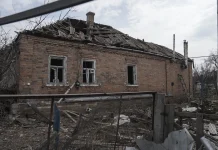
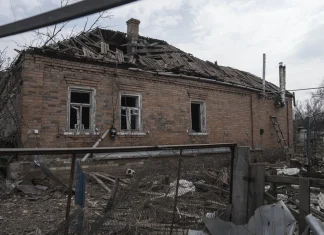
The proposal reportedly began as a mechanism to oversee reconstruction in Gaza, a place where the scars of conflict are visible in flattened buildings, damaged hospitals and markets rebuilt from rubble. But the charter’s language—broad, aspirational, and deliberately vague—quickly signaled ambitions far beyond one devastated strip of territory.
Who Gets an Invitation?
The draft list of invitees reads like a geopolitical mosaic: presidents, prime ministers, bankers-turned-advisors, and high-profile intermediaries. Names widely mentioned in coverage include leaders from Russia and Hungary, and a roster of prominent Western and non-Western actors—former prime ministers, senators, and special envoys. The inclusion of such a disparate mix has raised eyebrows, and not just because of the fee.
“This is pay-to-play diplomacy,” said a former U.N. diplomat who asked not to be named. “If the goal is to restore trust and governance in places like Gaza, you don’t buy legitimacy by auctioning seats at the table.”
How It Would Work
According to the charter’s draft, member states would serve three-year terms as full voting members—unless, within the first year, they contributed more than $1 billion in cash, at which point the three-year limit would not apply. The chairman—named in the draft as the convening leader—would have wide latitude: inviting members, vetoing removals, and even choosing a successor should he step down.
Structurally, the proposal imagines multiple layers: a main board, a Palestinian technical committee tasked with governance in Gaza, and an executive board described in the charter as a more advisory body. Critics say the design concentrates power in ways that mirror—but do not replicate—the U.N. system.
Reactions from Capitals
Not everyone greeted the idea with enthusiasm. France reiterated its allegiance to the U.N. charter, noting that any project “extending beyond the situation in Gaza” must be consistent with established multilateral norms. Ireland’s foreign minister said Dublin was “examining the details” and cautioned against creating a parallel structure to the U.N. Security Council—a body already tasked with maintaining international peace and security.
“We cannot have another structure that mirrors that, where one country essentially has most of the power in it,” Ireland’s foreign minister said on a national radio program, capturing a widespread concern in smaller states: that large powers could engineer alternative governance fora that sideline global consensus.
Voices from the Ground
In Gaza, where the charter reportedly meant to start its work, reactions are pragmatic and pointed. Gaza is home to more than two million people, many of whom have experienced repeated cycles of displacement and deprivation. Local aid workers and civil society leaders speak not of prestige but of rubble, of water systems gone, and of hospitals operating beyond capacity.
“People here don’t care who sits on what board in Washington,” said a Gaza-based humanitarian coordinator. “We care if electricity keeps running, if children can go to school, if hospitals have medicine. If money is used to buy influence rather than rebuild homes, that is a betrayal.”
A Palestinian community organizer added, “Reconstruction must be led by those who will live here afterwards. Expert technocrats, not headline-seeking politicians, should decide zoning, electricity, and water. Otherwise you’ll rebuild a city for the cameras, not for its people.”
The Big Questions: Legitimacy, Power, and Monetized Diplomacy
At its heart, this proposal asks a fundamental question: who gets to define peace? Is it the community living on the frontline? The international civil service? Or the biggest checkbook?
Multilateralism—based on the idea that sovereign states, working together through agreed rules, can manage global problems—has been frayed for some time. Trust in international institutions has been tested by wars, pandemics, and climate shocks. In that context, a proposal that allows a single state to invite and dismiss members, and which ties longer membership to a billionaire-level payment, reads to some as a new model of “selective multilateralism.”
“Paying your way into governance decisions risks delegitimizing outcomes,” said an international law scholar. “Peace isn’t a commodity to be purchased; it’s a public good that requires buy-in from those affected.” She warned that decisions made by a narrow, self-selected group could prompt new grievances instead of durable stability.
Practical Pushback
- Some invited countries—claimed to include Russia and Belarus—have privately welcomed the outreach, seeing it as a chance to reassert influence.
- Other governments, including France, opted for caution, reaffirming their commitment to the U.N. charter and established security frameworks.
- Israel reportedly objected to the composition of a proposed Gaza executive board that included political figures from neighboring states.
Why This Matters to You
Whether you follow geopolitics closely or only glimpse headlines, this story touches a broader trend: the privatization of diplomatic influence. As the international system strains, wealth and clout increasingly shape who speaks and whose voice is amplified. That has implications for everything from post-conflict reconstruction to refugee returns, to the long-term health of institutions meant to safeguard civilians.
Ask yourself: do you want global decisions—about who governs, who rebuilds, and what rights are protected—made in open, rule-bound institutions, or at a table where the most generous financier gets the most power?
What’s Next
For now, the charter remains a draft and the invitations a subject of debate. Capitals continue to “examine the proposal,” as one European official put it with weary candor. Behind the scenes, diplomats will weigh strategic interests, domestic politics, and the optics of appearing to buy peace.
Meanwhile, on the dusty streets and in the clinics of Gaza, the tally is painfully simple: people need food, shelter and safety. That will not be solved by a plaque on a mahogany table. It will be solved by practical, sustained investment—guided by those who live with the consequences, not only those who can afford the seat.
So what would you prefer: a system that invites everyone to the table, or one where the price of a chair decides the agenda? The future of peace may well depend on the answer.