Inside the Board of Peace: A Washington Showcase, Gaza at Its Heart, and a World Holding Its Breath
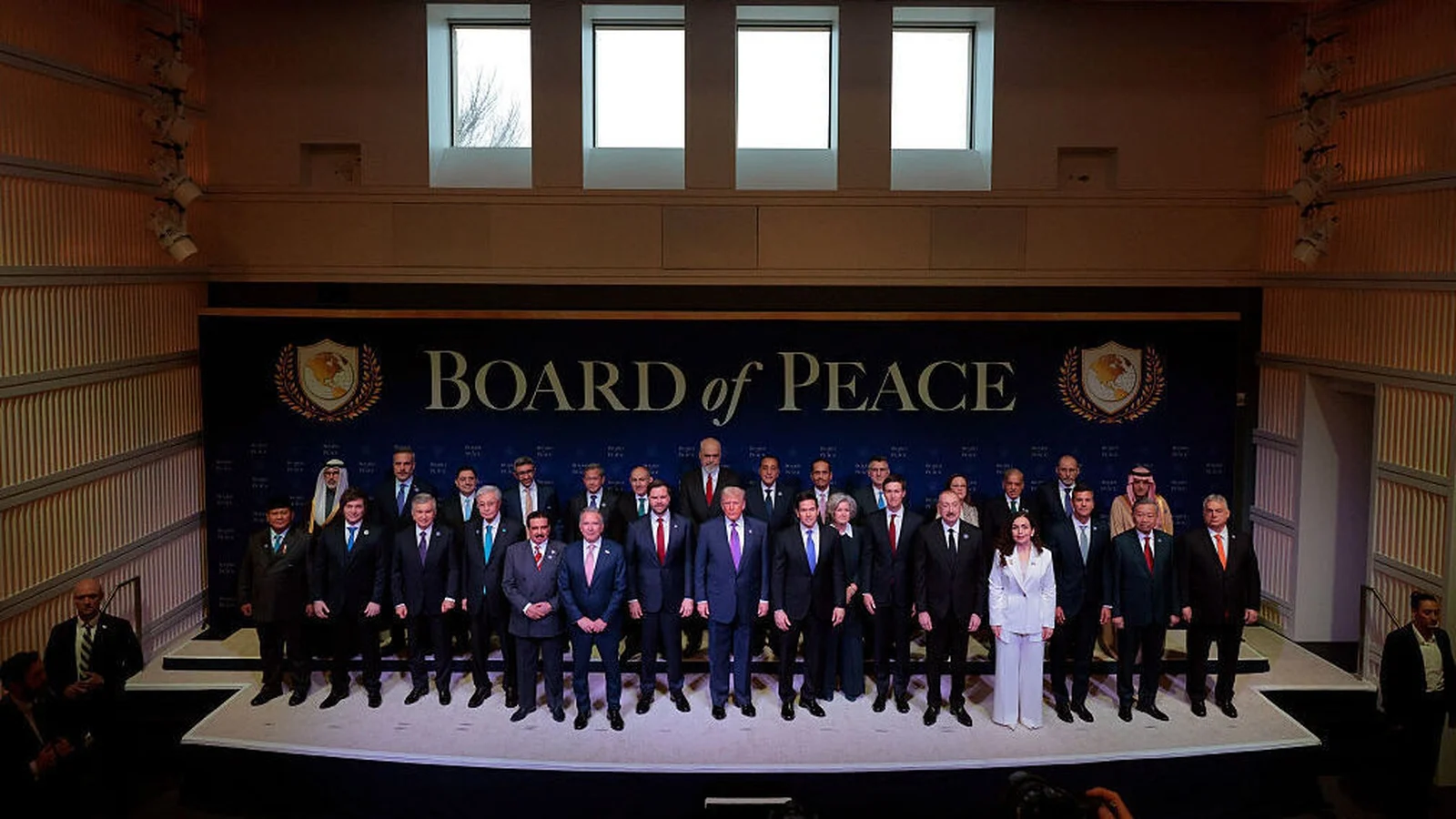
The atrium of the old United States Institute of Peace — a cream-walled, glass-canopied landmark off Pennsylvania Avenue — felt, for a few hours, like the set of a modern diplomatic experiment.
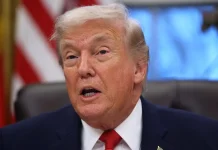
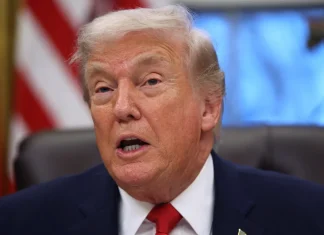
Delegations filed past one another beneath banners that read “Board of Peace” as if the phrase itself might conjure calm. Cameras clicked. Flags arranged in a semicircle made for dramatic photographs. At the lectern, President Donald Trump announced a $10 billion commitment to a new global initiative, promising the money would help rebuild Gaza and prevent another cycle of bloodshed.
“Together we can achieve the dream of bringing lasting harmony to a region tortured by centuries of war and suffering,” he said, voice rolling through the room. “It’s all about an easy word to say, but a hard word to produce — peace.”
What followed was equal parts policy and spectacle: the promise of tens of billions, a board with unusual governance rules, and a lineup of partners that shaded the meeting with controversy. Outside the bright windowed walls, the world kept moving in the uneasy rhythms of geopolitics — warships repositioned in the region, emissaries made discreet trips to Tehran, and millions of people in the Middle East continued to ask whether peace would ever reach their streets.
Money, Membership, and the Mysteries in Between
The headline figure was simple and startling: $10 billion. It is a sizable pledge, particularly from a White House that has overseen deep cuts to foreign assistance in recent years.
But the promise raised as many questions as it did hopes. The Board of Peace is, by design and decree, an opaque institution. The president will hold veto power over its decisions and can remain its head even after leaving office; countries wishing to convert a standard two-year membership into a permanent seat must pay $1 billion. How that structure will shape decision-making — and whose priorities it will reflect — is a subject of immediate debate.
“Giving a single leader such authority over post-conflict reconstruction is unprecedented in modern practice,” said Dr. Leila Mansour, a Middle East specialist based in Istanbul. “Governance matters as much as money. Without clear, inclusive oversight, billions can disappear into politics.”
Critics pointed to the guest list: many of those seated alongside the United States were leaders whose domestic records tilt toward centralized control rather than liberal democratic norms. Noticeably absent were several European governments that traditionally partner with Washington on humanitarian and peacebuilding initiatives.
“It looks less like a broad coalition and more like a curated club,” said Elena Russo, a veteran aid official who has worked in Gaza and the West Bank. “Reconstruction requires not just finance but legitimacy on the ground. People must trust the actors — and right now, trust is thin.”
Gaza: Rubble, Resilience, and a Technocratic Gamble
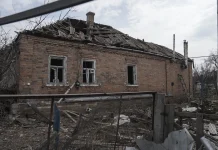
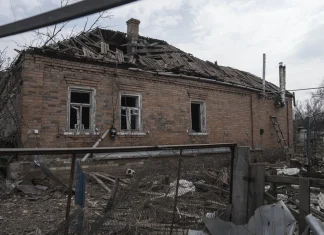
The Board’s first public focus is Gaza: a coastal strip left scarred by two years of intense conflict and an October that no one in the region will forget. The tragedy of 7 October 2023 — the day Hamas’s mass attack upended long-standing security calculations — and the subsequent Israeli offensive have reshaped daily life in Gaza. According to Gaza’s health ministry, at least 601 people have been killed since the ceasefire entered its second phase; hospitals remain fragile, and many neighborhoods are still piles of concrete and twisted metal.
“You can walk through a market and smell lemon and diesel and dust — all at once,” said Samar, a Gaza resident and mother of three, who asked that only her first name be used. “We are waiting for something real, not just words. People need homes, jobs, schools. But safety comes first. How can we build when guns are nearby?”
Responding to that anguished question, the Board has put a heavy emphasis on demilitarization. Israel, for its part, has insisted on stringent conditions: no reconstruction until Hamas is disarmed. Prime Minister Benjamin Netanyahu told a military ceremony that he had agreed with the United States that “there will be no reconstruction of Gaza before the demilitarisation of Gaza.” That stance echoes through conversations in Jerusalem and Gaza alike.
At the same time, a technocratic committee — led by engineer and former official Ali Shaath — has been named to manage day-to-day governance in Gaza. Whether that interim team can reconcile the demands of residents, the security prerogatives of Israel, and the geopolitical aims of outside powers is an open question.
Security on the Ground: An International Stabilisation Force
The Board will also consider launching an International Stabilisation Force (ISF) to provide security in Gaza as reconstruction gets underway. Indonesia — the world’s largest Muslim-majority country — has offered to play a central role. Major General Jasper Jeffers announced that Indonesia had accepted a deputy commander position, and Jakarta has indicated willingness to send up to 8,000 troops if the force is confirmed. Morocco has also signaled troop contributions.
“We are ready to help stabilize Gaza so people can return to some normal life,” Indonesian President Prabowo Subianto said in Washington. “This is not about taking sides; it is about holding the line for human security.”
For many Gaza residents, however, the idea of foreign boots on the ground stirs mixed feelings. Some welcome the prospect of protection against renewed hostilities; others fear occupation by another name.
Tensions with Iran and the Broader Chessboard
As the Board convened, U.S. forces — including warplanes and aircraft carriers — were reportedly repositioned toward Iran, a reminder that diplomacy here moves in parallel with pressure. The administration dispatched two envoys to speak with Iran’s top diplomat, seeking concessions that range from nuclear constraints to regional behavior.
“We have to make a meaningful deal otherwise bad things happen,” the president warned, adding that if diplomacy falters, Washington “may have to take it a step further.” A timeline of roughly ten days was floated, underscoring how precarious the moment feels.
Whether the Board’s ambitions can survive a broader escalation is uncertain. Peace plans do not exist in a vacuum; they are lodged inside networks of power, rivalries, and domestic politics across the region and beyond.
What This Means for the Future — and for You
There is much to admire in the impulse behind the Board of Peace: billions of dollars, international commitments, and a stated focus on stabilizing a living, breathing population suffering enormous trauma. But the model being proposed — a highly centralized board with opaque governance and a roster of partners skewed toward autocratic regimes — forces uncomfortable questions.
- Who will set priorities on the ground: technocrats, residents, or foreign capitals?
- Can reconstruction proceed without meaningful political inclusion for Palestinians?
- What are the safeguards to prevent funds from becoming tools of influence rather than instruments of recovery?
Journalists, aid workers, and diplomats I spoke with kept returning to one idea: that peace must be more than a top-down checkbox. “Rebuilding homes without rebuilding trust is like pouring concrete over a wound,” said Dr. Mansour. “It holds for a while, but it doesn’t heal.”
So, readers: what would you expect from a genuine peace process? Whom would you trust with billions aimed at rebuilding lives? The answers matter because the world beyond Washington is watching. Gaza’s future — and the future of how international politics conducts itself — will be shaped in the months ahead, not just by pledges, but by the choices of leaders, the resilience of communities, and the willingness of outside powers to share authority rather than centralize it.
In a hall that day, photographs were taken, speeches were recorded, and a new institution was christened. But on the ground, in alleys still choked with dust and in neighborhoods waiting for electricity to hold, the work of peace will be measured in bricks, not photo ops. The real test is simple and brutal: when the cameras go away, will people have roofs over their heads, schools for their children, and a chance at ordinary days? If not, the Board of Peace risks joining a long list of good-sounding ideas that never quite made it to the street level where peace must live.