When Oil Becomes Chess: Trump, India, Venezuela and the Return of a Complicated Trade
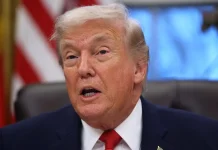
On a sun-splashed runway, with the roar of engines and the quiet clack of reporters’ keyboards, President Donald Trump tossed a line into a turbulent ocean: India would buy Venezuelan oil. The declaration, casual and terse, landed not as a single fact but as the opening move in a much larger game — geopolitical chess played on the oily, salt-sprayed boards of global energy.
“We’ve already made that deal, the concept of the deal,” he told reporters aboard Air Force One, the words floating between his destination — a Florida retreat — and the knot of economic and diplomatic realities that will determine whether that concept takes shape.
It is tempting, but misleading, to treat this as a bilateral transaction written in stone. Instead, it’s an emblem of how fragile and fluid the global oil market has become: sanctions, tariffs, diplomatic dances, and the everyday needs of nations hungry for fuel.
The long arc of lost barrels
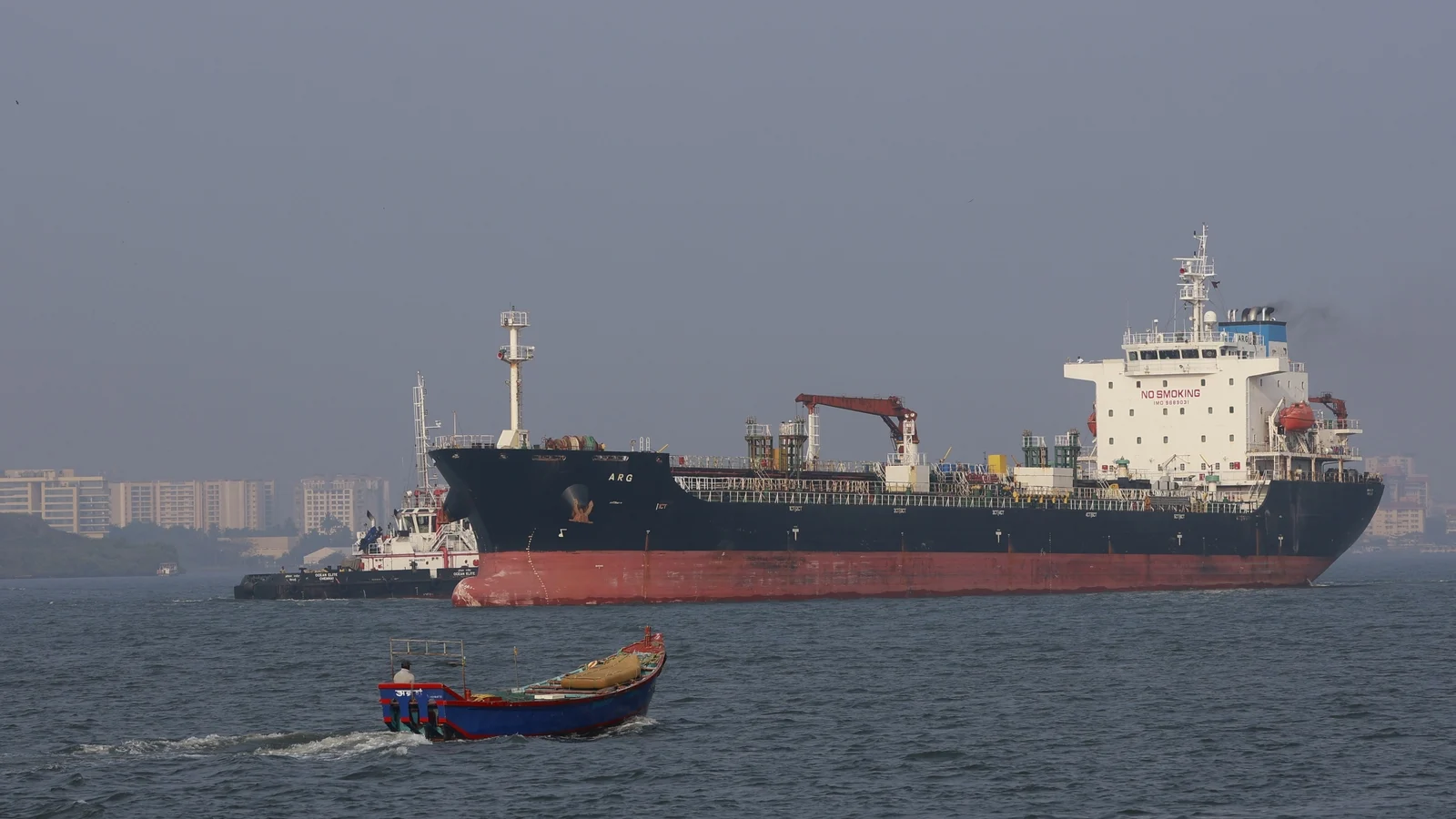
Consider the players. India is the world’s third-largest oil importer, drawing in roughly 4–5 million barrels of crude per day to feed its refineries, its bustling ports and an economy that, despite slowdowns, hums with growth. Venezuela, once a poster child of petro-wealth, has seen its oil output collapse from multi-million-barrel peaks to levels often under one million barrels per day in recent years. Russia, meanwhile, has become a supplier of discounted seaborne oil to buyers willing to look past Western sanctions.
“This is less about romance with any one supplier and more about security of supply,” said Meera Rao, a Delhi-based energy analyst. “Refiners need feedstock. Governments need leverage. When one source is closed off by sanctions, another opens — or tensions spike.”
India historically bought Iranian oil until Washington tightened the screws in 2019. When Iranian barrels were cut off, New Delhi pivoted — first to U.S. oil and then, more recently, to Russian crude discounted enough to defy easy moral calculus for importers and to stir ire in Washington.
Tariffs, threats and tactical openings
The story is thick with tariffs and counter-tariffs. Mr. Trump has, at various moments, brandished duties as blunt instruments: imposing higher levies on oil-related trade and hinting at punitive measures to deter India from taking Russian oil. Those moves are designed to reshuffle economic incentives. Whether they will is another question.
“Tariffs can nudge behavior,” said Luis Mendoza, a policy scholar who studies sanctions at a Washington think-tank. “But they can also create perverse outcomes: pushing trade into murkier channels, driving down prices in the short term and incentivizing alternative partnerships in the long term.”
Recent signals from Washington suggest a possible softening. The U.S. lifted some restrictions on Venezuela’s oil industry this week, ostensibly to make it easier for U.S. companies to sell its crude. Policy shifts like these rarely happen in a vacuum; they’re the product of fraught negotiations and the recognition that energy supply chains are both strategic tools and fragile dependencies.
Voices from the ground
Travel thousands of miles and you’ll hear different refrains. In Jamnagar, where some of India’s biggest refineries churn through incoming crude, a plant manager shrugged when asked about potential Venezuelan crude.
“We evaluate based on quality, availability and price,” he said. “If barrels are reliable and cheap, we’ll run them. Politics is secondary — until it isn’t.”
At the port of Puerto La Cruz in Venezuela, a dockworker named Rosa leaned on a bollard and watched tanker creaks while sipping coffee out of a thermos.
“We’ve seen ships come and go but fewer than before,” she said. “If new buyers arrive, it means work for us. But we also remember how sanctions closed doors. Hope is fragile here.”
And in Washington, one senior U.S. official — who asked not to be named — described sanctions relief as “surgical and conditional,” meant to encourage responsible commercial engagement without erasing leverage.
What’s at stake — and for whom?
The potential return of Venezuelan oil to India’s docks is about more than economics; it’s a mirror showing how countries balance principles with pragmatism. For the U.S., pressuring partners to limit Russian oil imports is part of a broader strategy to punish Moscow for its actions and to starve its coffers of post-invasion revenue. For India, the calculus is survival: keeping lights on, buses running, fertiliser moving, and an economy growing.
There are environmental and ethical layers, too. Critics point out that any effort to prop up fossil fuel flows prolongs the world’s dependence on hydrocarbons at a time when experts say the energy transition must accelerate. Proponents reply that energy security and a managed transition can — and must — go hand in hand.
“You can be pragmatic without being blind to long-term goals,” said Ananya Sethi, director of a clean-energy NGO in Bangalore. “But right now, for many consumers and refiners, economics and reliability trump idealism.”
Possible ripple effects
- Market volatility: A shift in who buys Venezuelan barrels could nudge global benchmark prices, particularly if flows are significant compared to global seaborne supplies.
- Diplomatic repair: Any deal that sees India pivot away from discounted Russian crude could ease tensions with the U.S., but it may complicate New Delhi’s relations with Moscow.
- Sanctions precedent: Easing restrictions on Venezuela could set a template for tactical sanctions relief elsewhere, influencing how states calculate the costs of diplomatic isolation.
Questions to sit with
What does it mean when the world’s energy map can be redrawn with a single presidential remark? How do countries balance immediate needs against longer-term obligations to climate commitments? And what do citizens want when their leaders trade in barrels like chess pieces?
These are not rhetorical luxuries. They are the uncomfortable, vital queries that underpin every decision to reroute a ship, to sign a trade memorandum or to raise a tariff. Each choice reverberates through factories, farms and households.
Looking ahead
If this deal advances beyond “concept,” the mechanics will be messy: negotiations over price, shipping insurance, payment channels, and who bears reputational risk. But beyond contracts, the episode underscores a larger truth — that energy remains one of the most intimate forms of diplomacy. A refinery run, a tanker scheduled, a customs stamp: each is a small foreign-policy act.
As readers, what do you think? Should economic necessity outweigh diplomatic protest? Can a nation pursue strategic independence without losing sight of ethical and environmental responsibilities? The answers are not universal—and they won’t be tidy.
For now, watch the tankers, listen to the tariffs, and notice the way leaders frame trade as both diplomacy and survival. Because in the world of oil, even casual remarks can set huge gears in motion.