When Rhetoric Meets Reality: The Costly Comfort of a Call for “Unconditional Surrender”
There are moments in public life when a sentence lands like a pebble dropped into a still pond—first a small splash, then widening ripples that touch distant, unexpected shores. Recently, former President Donald Trump offered what he called a simple remedy to war: “unconditional surrender” by Iran. It was meant to be decisive, final, tidy. But underneath the rhetorical flourish lies a tangled map of history, emotion, and consequence that refuse to be summed up in a soundbite.
Listen to the way the idea is framed: victory as a single event, capitulation as a checkbox. It feels reassuring, maybe even cathartic—especially to those exhausted by years of intermittent violence across the Middle East. “We need to end this,” a U.S. veteran told me over coffee in Washington, his voice low with fatigue. “Sometimes you want a clear line: the war ends here. But real conflicts don’t obey those lines.”
What does “unconditional surrender” really mean?
To historians, the phrase is freighted with meaning. It conjures images of World War II—terms signed on battleships, occupying armies, wholesale collapse of a defeated state’s institutions. Applied to Iran, a country of more than 80 million people, millennia of culture, and a complex political system, the notion becomes not just impractical but perilous.
“Unconditional surrender is a relic of 20th-century total war,” says Dr. Leila Mansouri, a political scientist who studies the region. “It ignores the reality that modern conflicts are often fought through proxies, cyberattacks, and economic pressure. You can’t ‘surrender’ a network, an ideology, or a set of militias spread across borders.”
Iran is not a monolith. Its society pulses with poets, coffee shops, and satellite TV; its politics span hardliners and reformists; and its capabilities stretch from conventional military assets to influential regional proxies in Lebanon, Iraq, Syria, and Yemen. Asking for unconditional surrender is like asking a hydra to hand you its head.
Voices from the street: human reactions that cut through the slogans
Walk the alleys of Tehran’s Grand Bazaar and you hear a different lexicon. “We want normal life,” says Farhad, a saffron merchant who counts customers and calories in equal measure. “Not triumphal speeches. People want jobs that pay, a country not on edge.”
Down in southern Iran, by the port where fishermen mend nets, an older man named Hossein shook his head. “We have lived through sanctions, through the Iran-Iraq war, through grief. Another demand of surrender—what does it do for our children? For their future?”
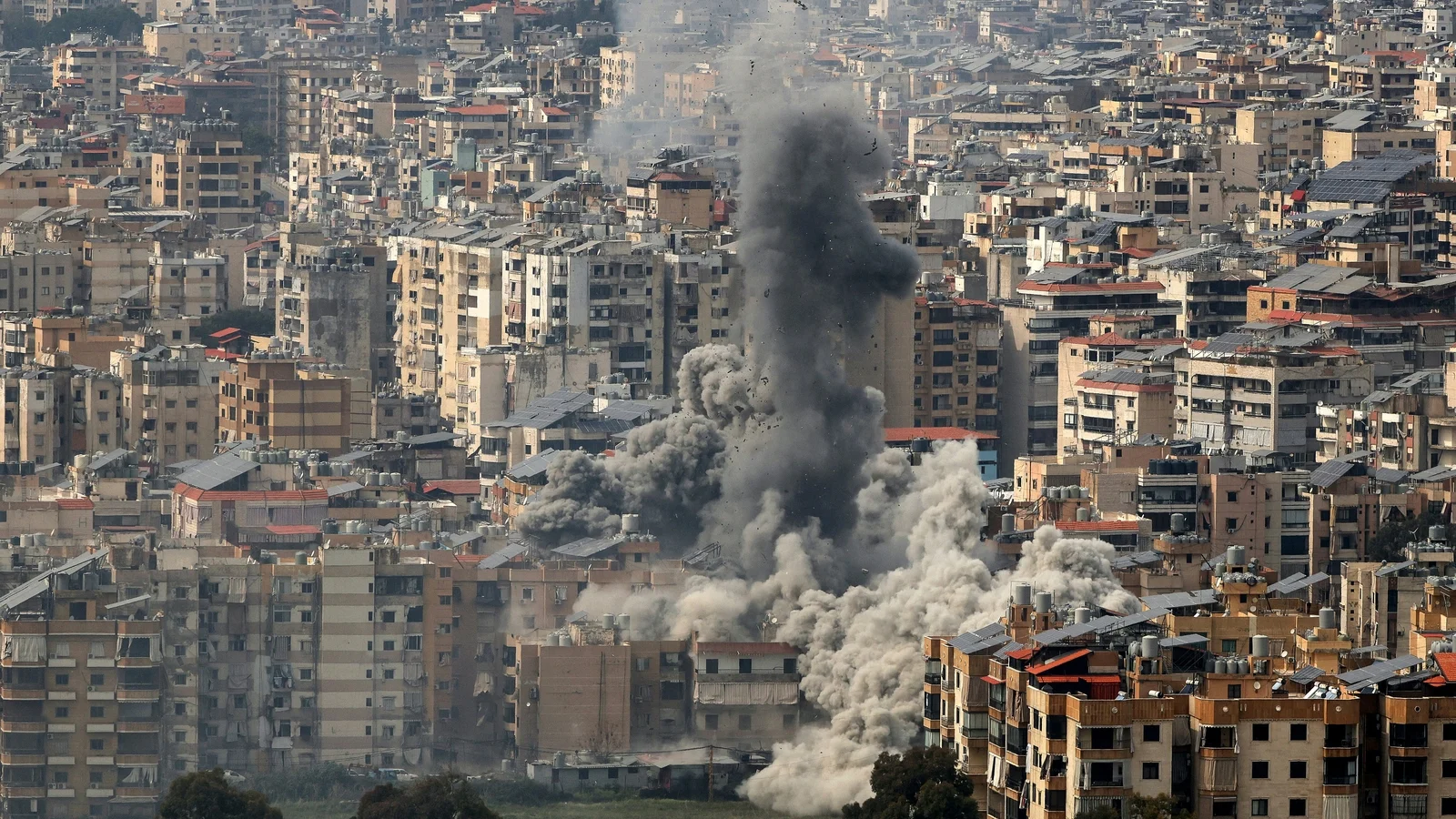
On the other side of the Gulf, in Beirut, the smell of roasted nuts and the sound of an oud player add texture to conversations about the wider implications. “If Tehran is humiliated, the region pays the price,” says Nadine, a schoolteacher. “People here have already been living on borrowed peace.”
Experts weigh the strategic and moral costs
Policy analysts warn that aspirations for a clean, theatrical end to conflict often conceal messy realities.
-
Escalation: Demanding full capitulation can provoke desperate, asymmetric responses—cyberattacks, proxy attacks, and sabotage—rather than conventional battlefield defeats.
-
Humanitarian toll: Wars don’t end neatly; civilians bear the brunt. Cities, health systems, and economies can be shattered for generations.
-
Diplomatic isolation: An insistence on humiliation as policy undermines avenues for negotiation and reconciliation that might actually reduce violence.
“You have to ask: what do we want after the war?” says Karim Benz, a former diplomat who served in the region. “If the goal is to rebuild and stabilize, rhetoric that insists on ‘unconditional surrender’ makes that harder. If the goal is punishment, then be honest about what you are willing to accept as costs.”
Numbers that matter: the stakes on the ground
Statistics rarely capture the smell of electricity in a hospital generator or the relief of a child who sleeps through the night. Still, numbers help calibrate the stakes.
Iran’s population sits around 85–87 million, with a median age just over 30—young, restive, and digitally connected. Oil revenues and sanctions have given way to a more diversified, but still strained, economy; youth unemployment in recent years has been chronically high. Military spending is modest compared with global powers, yet Iran’s regional influence is amplified through alliances and asymmetric capabilities.
Meanwhile, proxy conflicts have left scars across the Levant and Yemen, with civilian casualties measured in the tens of thousands in some theatres over the past decade. Economic damage and displacement ripple far beyond battle lines: supply chains, food prices, and refugee flows all feel the tremors.
What might a different approach look like?
There are alternatives to theatrical ultimatums. Negotiations may be imperfect, but they can be pragmatic. Confidence-building measures—ceasefires linked to humanitarian corridors, phased sanctions relief tied to verifiable steps, and third-party monitoring—offer paths that reduce violence without demanding a humiliating public concession.
“Real diplomacy is messy and iterative,” says Dr. Anwar Patel, a conflict resolution specialist. “It’s about cumulative trust—small agreements that lead to bigger shifts. It’s not always inspiring in a speech, but it saves lives.”
Questions for the reader, and for us all
So here’s the invitation: what do you want from an end to a war? Is closure the same as justice? Is public humiliation a policy or a spectacle? How much human cost are you prepared to count as the price of a declarative ‘victory’?
These aren’t abstract questions. They are the sorts of decisions leaders make under the glare of cameras—and they shape the lives of ordinary people who never signed up to be symbols in a political drama.
When a soundbite promises a quick fix, remember the people in the bazaar, the teacher in Beirut, the veteran in Washington. They are the ones who will live with the consequences of choices made in political theater or quiet rooms.
Final thought
Unconditional surrender reads well on a podium. It photographs well. But history doesn’t end on a podium. It is written in the slow accretion of policy, reparations, reconstruction, and reconciliation—if we have the courage to pursue them. If we really want to end wars, perhaps the harder task is not to demand total capitulation, but to design durable peace.
As you close this article, ask yourself: when the next rallying cry appears, will we reach for the comfort of absolutes—or the inconvenient, patient work of building a future where victory is measured by lives restored, not enemies crushed?