At the Edge of a Conversation and a Conflict: The World Watches Tehran and Washington
There is a peculiar hush that comes before decisions that could remake maps. You can feel it in the way anchors speak more slowly on television, in the sudden, quieted chatter at Tehran cafés where the tea steams like a small, stubborn hope. This week, that hush stretched from the White House lawn to the alleys of Iran’s capital and across the rocky line where Turkey’s frontier meets Persian soil.
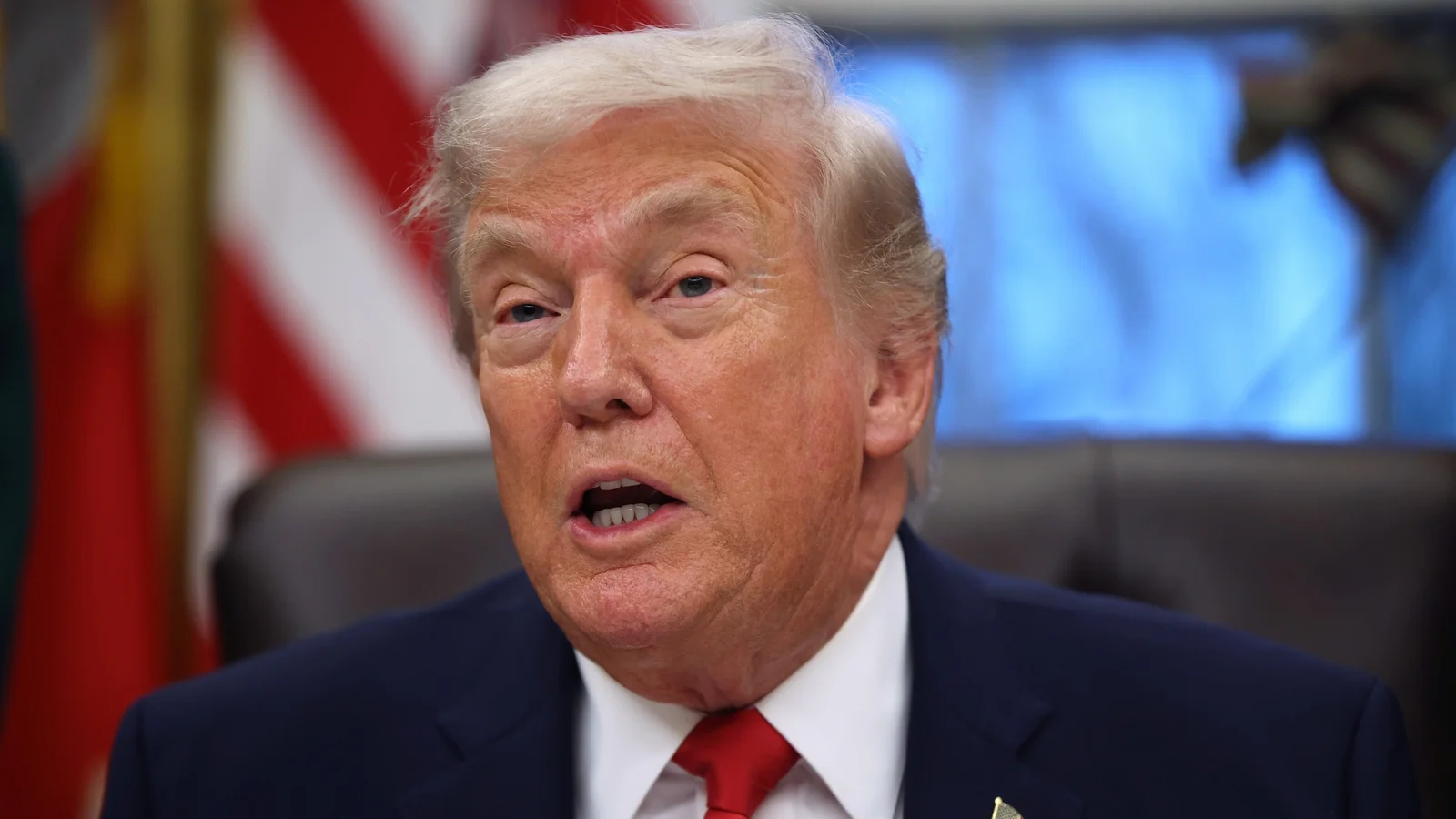
“I am planning on it, yeah,” the U.S. president said when a pool of reporters asked whether he intended to open talks with Tehran. It was a short, plain sentence — the kind that can either calm a storm or warn of the fog that precedes battle. He accompanied the remark with a second image: “We have a lot of very big, very powerful ships sailing to Iran right now and it would be great if we didn’t have to use them.”
Those two sentences encapsulate the strange, double-track diplomacy of our age: heavy naval muscle on one hand, a tentative handshake on the other. Which path will the world’s most combustible relationship take? No one can answer that yet.
Warships, Wordsmithing, and a Looming Decision
In Washington, officials say the president is reviewing options. The military presence in the region has grown, and senior defence sources told reporters the armed forces were prepared to act on whatever direction came from the commander-in-chief. “We will be ready to deliver whatever the president expects of the War Department,” one senior defence official said, echoing the tight coupling of politics and force that defines contemporary geopolitics.
For many in the region, the first worry is not the wording of communiqués but the reality on the ground. A single strike, a miscalculation, or the wrong message picked up by an anxious commander could ignite a wider blaze.
Protests, Pressure, and the Nuclear Question
Tensions have been building for weeks. Inside Iran, a wave of protests erupted, driven by economic strain and anger at political repression. The crackdown that followed drew sharp condemnation from abroad and fevered rhetoric at home. The U.S. has repeatedly warned that it would not stand idly by should Tehran continue what it calls lethal suppression of demonstrators — a charge Iranians inside the country reject as foreign meddling and that Iranian leaders say is an assault on their sovereignty.
Beyond the human-rights grievances is the spectre of nuclear escalation. U.S. leaders have said they would take action if they judged that Iran was restarting parts of its nuclear programme. Those are heavy words: they carry the freight of airstrikes, regional fallout, and the political costs of open conflict. Israelis and Americans have previously conducted strikes on sites they said were associated with Iran’s nuclear programme — a sign that the simmering conflict has already warmed into episodic violence.
A leader’s short promise, a nation’s long fear
“We don’t want more suffering,” said Shirin, a 43-year-old shopkeeper in Tehran’s Grand Bazaar, who asked that only her first name be used. “If Washington wants talks, then talk. If they want war, they should tell us clearly so we can prepare.” Her hands, calloused from handling bolts of cloth, closed around a paper cup of tea. “We are exhausted.”
Across the Gulf, analysts warn that blunt-force policy could accelerate instability. Serhan Afacan, director of the Centre for Iranian Studies in Ankara, put it plainly: “Compromise is not impossible, but it would only come after long rounds of negotiations and if Tehran’s security concerns — especially vis-à-vis the U.S. and Israel — are substantially addressed.”
Turkey’s Role: Broker, Buffer, or Bystander?
Amid these tensions, Ankara is quietly positioning itself as a potential interlocutor. Turkish Foreign Minister Hakan Fidan is due to meet Iran’s Abbas Araghchi and will offer Ankara’s services to mediate. “We are ready to contribute to resolving the current tensions through dialogue,” a Turkish diplomatic source said, underscoring Ankara’s preference for de-escalation — or at least for keeping the crisis from spilling across its borders.
Turkey has another set of practical concerns. The country shares roughly 500 kilometres of frontier with Iran, and officials have been assessing additional security measures should instability trigger mass movements of people or irregular cross-border incidents. Since 2021, Turkey has poured concrete and trenches along much of that line: official figures show some 380km of concrete wall, 553km of trenches, and nearly 250 surveillance towers bolstered by round-the-clock drone reconnaissance.
“The wall has been important for all sorts of reasons — migration, smuggling, but today it’s about contingency planning,” said a Turkish security official who spoke on background. Local mayors in border towns express a mixture of relief and worry. “We want peace,” said Yusuf, a grocer in Van, whose morning market is a mosaic of pomegranates and ajar bread ovens. “But if bombs fall beyond, we will feel the shockwaves here. No one wants refugees at our doorstep, but also no one wants forests of graves.”
Europe’s Move and Tehran’s Rebuke
Complicating matters further, European Union foreign ministers recently agreed to designate Iran’s Islamic Revolutionary Guard Corps on the bloc’s list of terrorist organisations. The move represents a symbolic recalculation in Europe’s posture: placing the IRGC alongside extremist groups in legal and diplomatic terms.
Iran’s foreign minister fired back on social media, calling the decision “another major strategic mistake” and warning that Europe risked damaging its own interests. Whether the EU’s action is chiefly symbolic or a prelude to harder measures, it changes the diplomatic terrain. For Tehran, it is yet another sign that the world is sorting into camps, and for negotiators, it raises the stakes of any future talks.
What Could Happen Next? A Few Paths Forward
- De-escalation through talks: If Washington and Tehran agree to sit down, beginning perhaps with the nuclear question and building trust over time, a negotiated thaw could follow.
- Limited strikes and tit-for-tat escalation: A targeted U.S. or allied strike could prompt Iranian retaliation against facilities or shipping in the Gulf, raising regional tensions dramatically.
- Prolonged stalemate: Tough rhetoric, increased posturing, and sanctions could leave both sides locked in a low-level conflict of attrition with severe human consequences.
Which of these paths seems likeliest? It depends on decisions made in a few rooms — a map table at the Pentagon, a quiet office in Ankara, the president’s desk in the West Wing — and on forces less controllable: anger in the street, a misfired missile, an over-ambitious militia commander.
On the Ground: Voices That Matter
In Tehran, people go on living with stubborn normality. Children play near the azadi (freedom) monument; women shop for weeknight dinners; families debate whether to emigrate or stay. “We survived sanctions, we survived wars around us,” says Marjan, a university lecturer. “What we cannot live with is being spoken for while our sons die or our futures are traded.”
In Washington, debate is also fierce: hawks argue that force deters aggression; doves counter that military action spreads chaos. “Power without purpose is dangerous,” said a foreign policy scholar in New York. “If the aim is stopping nuclear weapons, define clear red lines and back them with diplomacy. Otherwise you risk becoming the arsonist who lights the match and then wonders why the sky is on fire.”
Ask Yourself
What would you choose if you were sitting across that table in an airless room in Geneva — sanctions and negotiations, or the thunder of carriers and the calculus of bombs? How much weight should the suffering of protesters, the security fears of a state, and the global appetite for stability hold in that decision?
These are not abstract questions. They are the kinds of choices that ripple into refugee flows, global oil markets, and the fragile architectures of regional alliances. They touch the lives of people selling tea in bazaars and parents teaching their children to sleep through air-raid alerts.
Where We Stand
For now, the world waits. A president says he plans to speak. Warships sail. A mediator offers to broker talks. Borders are reinforced with concrete and wire. And beyond the spreadsheets and strategy sessions, ordinary lives hang in an uneasy balance.
Whatever comes next, the lesson is this: in an interconnected world, diplomacy and restraint matter as much as military might. The cost of getting it wrong is too high. The hope is that, somewhere between the clang of anchors and the hush of tea houses, a conversation will be chosen over a confrontation.