Sun, Sand and Diplomatic Whispers: A Florida Meeting That Hinted at Peace
On a humid Florida morning, where the palms lean into the Atlantic breeze and tourists shuffle past cafés with iced coffees in hand, a small group of negotiators chose a decidedly unglamorous venue for quietly trying to do what official summits have not—bring an end to a brutal war.
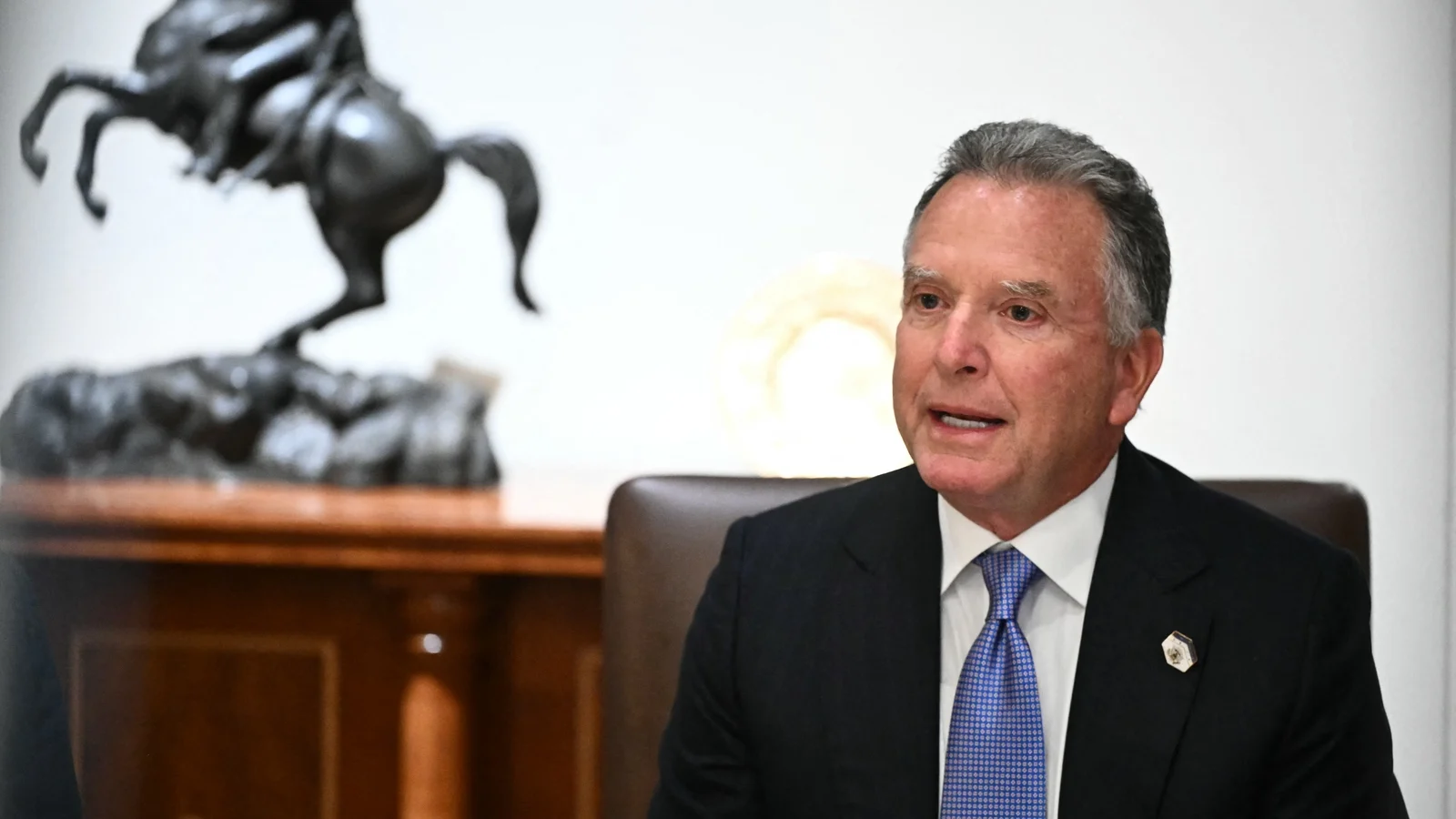
It was not in a marble palace or under the glare of television cameras. It was in Miami: a city known for its salsa, its seafood, and its strange capacity to play host to the world’s urgent conversations between sips of espresso. Here, American envoy Steve Witkoff met Russia’s economic emissary Kirill Dmitriev for what participants later called constructive discussions that feed into a broader, U.S.-backed push to find a settlement to the nearly four-year war in Ukraine.
Who was in the room—and what they were chasing
According to people familiar with the talks, the gathering included U.S. Treasury Secretary Scott Bessent, White House senior adviser Josh Gruenbaum, and Jared Kushner, a familiar figure on the global negotiation circuit. The presence of these players—financial, political and personal—tells you something about the contours of the effort: it’s part policy, part economic redesign, part informal shuttle diplomacy.
“You could feel the improvisational energy,” an attendee who asked to remain unnamed told me. “It wasn’t showy. It was straight talk. Everyone knows what’s at stake.”
Details of the private discussion were, unsurprisingly, scarce. What leaked out were impressions: candid exchanges, probing questions, no immediate breakthroughs to declare. But the meeting’s timing—just a day before negotiators from Kyiv and Moscow were due to reconvene in Abu Dhabi—gave it significance.
Why Miami? Why now?
Miami has been a recurring backdrop for these quiet diplomacy exercises. Kirill Dmitriev met Witkoff and Kushner last January on the sidelines of the World Economic Forum in Davos, and he also spent time in Miami in December for earlier negotiations. The city’s accessible international airports, relative anonymity compared with capitals, and a thick, international community make it a practical choice.
But there’s something more symbolic, too. Miami—home to many Ukrainian and Russian expatriates, home to refugees and a mosaic of voices—offers an informal public check on policy. Walk through Little Kyiv near the beaches and you’ll hear opinions shouted over dumplings: cautious hope, fierce skepticism, exhaustion at the talk of territory and borders.
“We’ve been living with the headlines for years,” said Natalia, a 42-year-old who fled Kharkiv and now runs a small bakery. “If leaders really want peace, it must reflect the lives of people like us. We do not want treaties—only to be forgotten again.”
Abu Dhabi on the Horizon: The Stakes of a Second Round
In Abu Dhabi, delegations from Ukraine and Russia have been meeting on a U.S.-backed plan that aims—at least in its outlines—to end the fighting. The first in-person round took place in late January; a second was slated to begin the day after the Miami meeting. Observers describe the negotiations as painstaking, a series of tiny pivots rather than sweeping decisions.
U.S. officials say both sides are “close” to a deal, though Kyiv has publicly said the most stubborn obstacle remains the question of territory after the war—an issue that ripples into identity, security and the lives of millions.
“Territory isn’t a line on a map,” explained Dr. Mira Khodorkova, an international law scholar. “It’s where people sleep, where their children go to school, where economic systems and civic institutions will have to be rebuilt. Any agreement has to reckon with that human reality.”
The shadow of other crises
The talks have not been taking place in a vacuum. Tensions between the U.S. and Iran have periodically threatened to overshadow these negotiations, prompting Kyiv’s president to hint that the Abu Dhabi meetings could be postponed. For negotiators, the geopolitical web is complicated: sanctions, energy markets, refugee flows, food security and the politics of domestic audiences all tug at the process.
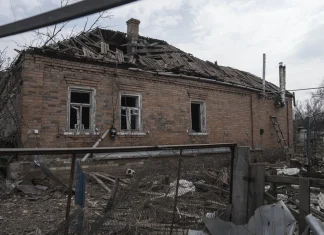
Even as diplomats haggle, real-world consequences pile up. Since the conflict began in early 2022, millions of Ukrainians have been displaced—some estimates put forced migration and displacement comfortably in the millions—while global markets have struggled to rebalance after disruptions to grain exports and energy supplies. The economic dimensions of any settlement are therefore not secondary; they are central.
Voices from the Ground—and the Analysts
Back in Miami, opinions divided. “If these talks end the war tomorrow, I’ll cry of relief,” said Marco, a fisherman who watches international news on an old television in a bar near the port. “But I also know peace is more than guns going quiet. It’s safe streets, jobs. That’s the hard work.”
Security analysts were reserved. “Diplomacy is backstopped by leverage,” said Lena Sokolov, a former intelligence analyst. “Right now, leverage is shifting—economically, militarily, and politically. That makes bargains possible, but also fragile.”
U.S. envoy Steve Witkoff later characterized the Florida meeting as “productive” and suggested it indicated a willingness on Russia’s part to work toward a resolution. Officials close to the talks stress the engagement is incremental—each meeting a small step, each concession measured and costly.
What a deal might mean—and what it must include
Any sustainable settlement will likely have to address several interlocking items:
- Security guarantees—mechanisms to prevent renewed hostilities;
- Territorial arrangements—how borders and governance will operate in contested areas;
- Economic reconstruction—funds, sanctions relief, and access to markets;
- Humanitarian provisions—return of displaced people, mine clearance, and reparations.
These are not only diplomatic points; they are civic commitments that determine whether people can rebuild their lives. As one Ukrainian volunteer in Miami put it, “We need promises that can be kept, not slogans.”
Looking Ahead: Can Quiet Talks Yield Lasting Peace?
There is a certain romance to the idea that a handful of tense conversations across hotel tables can stop the thrum of artillery. But history teaches caution: agreements born in pressure and secrecy sometimes crumble when local realities and national pride collide.
So where does that leave us—readers, citizens, taxpayers watching from the corners of our lives? We should demand seriousness: clarity about verification, durable institutions to enforce deals, and investment in communities that bear the brunt of conflict. We should also ask our leaders to share the human costs and not trade them away for expedience.
Will these Florida talks and the Abu Dhabi sessions become footnotes or turning points? Perhaps. The answer will come in small measures—calm in Kyiv, the return of children to schools in contested towns, fishermen like Marco going back to sea without fear. Until then, the world watches, and hopes—and waits.
“Peace is a long road,” said a diplomat after the meeting. “These talks are one step, and they matter precisely because steps accumulate.” What would you want negotiators to prioritize if you had a voice at that table?