A Senate Hearing, a Promise, and the Fragile Heartbeat of Monetary Independence
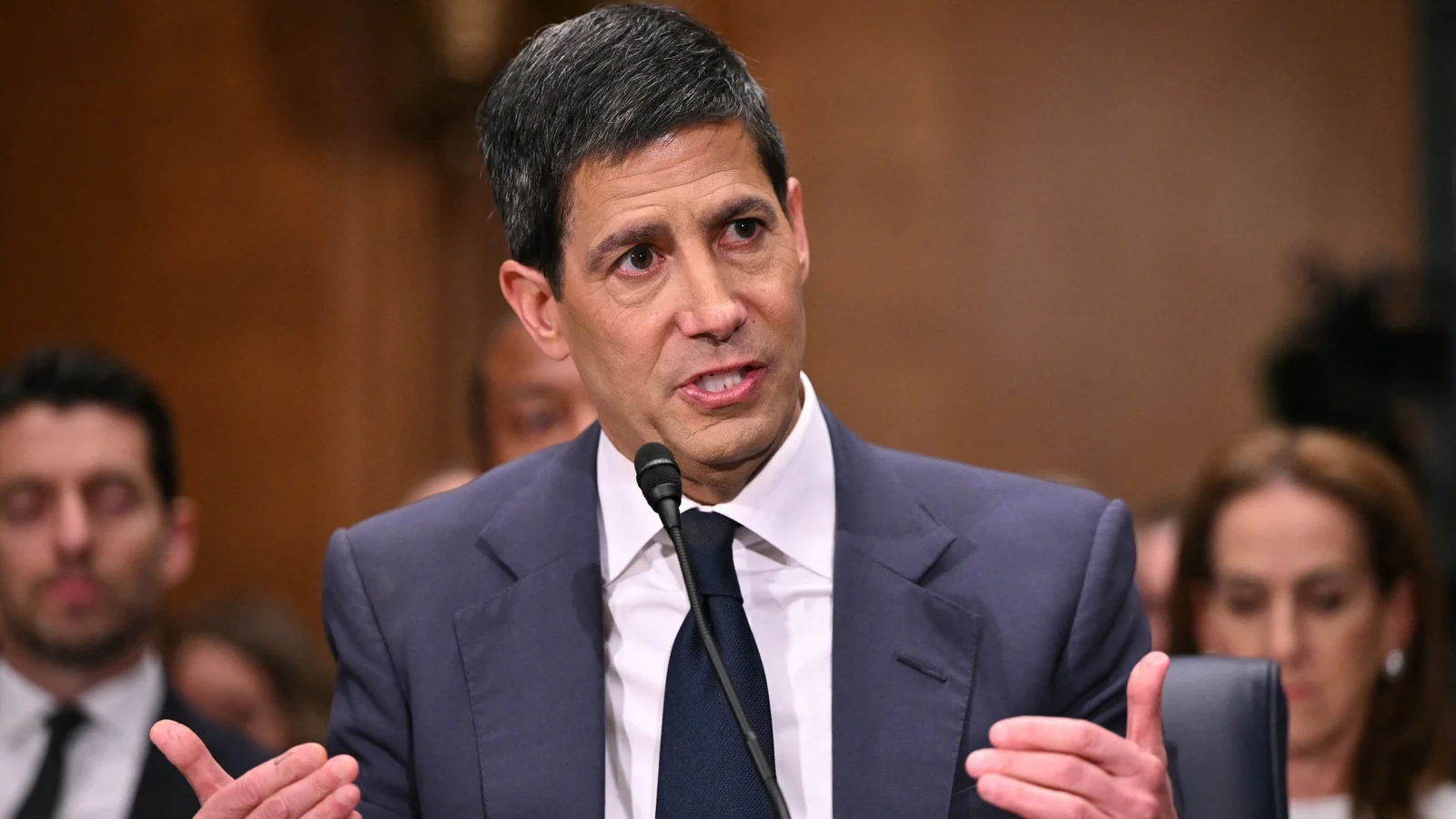
The Senate hearing room hummed like a city subway at rush hour—voices layered, a faint whir from the cameras, the polite cough of a staffer. Kevin Warsh walked in with the carefully measured gait of someone accustomed to scrutiny, papers in hand, and sat beneath the bright lights where every tick of the clock seemed to belong to the wider economy.
He came to Washington this week carrying more than a resume. He brought a pledge: that the Federal Reserve’s decisions would be made in the polling booth of economic evidence, not the Oval Office. “I would absolutely not be a puppet,” he told senators—an answer meant to settle nerves, but one that also underlined how raw the question of central-bank independence has become.
Not a Puppet: The Claim and the Context
To understand why Warsh felt compelled to say it so forcefully, you have to step back and smell the politics. Since returning to office, President Trump has publicly and privately urged the Fed to lower interest rates. He has criticized Fed Chair Jerome Powell and even mused about whether the central bank’s choices should more quickly reflect his administration’s view of growth and risk. For many Americans who track markets before breakfast, that kind of pressure reads like an existential test for an institution meant to be insulated from electoral cycles.
“Independence isn’t theatre. It’s what keeps the economy stable when politics gets noisy,” said Dr. Leila Moreno, an independent macroeconomist who has watched the Fed for two decades. “When a central bank loses the trust of markets and people, inflation expectations can shift—and that can become a self-fulfilling problem.”
Warsh, a former Fed governor (2006–2011), leaned on experience. He reminded senators that the Fed’s dual mandate—price stability and maximum sustainable employment—must be the lodestar. He also flagged a recurrent critique: that in the years since the Covid-19 shock, the Fed has too often missed its 2% inflation target and was slower than ideal to tamp down a fever that, once ignited, grows stubborn.
Politics on the Committee: An Impasse Takes Shape
The confirmation process itself is fraying at the edges. Eleven Democrats on the Senate Banking Committee want to pause Warsh’s elevation until separate investigations into Mr. Powell and Governor Lisa Cook wrap up. On the Republican side, Senator Thom Tillis has publicly said he will block all Fed nominations until the Justice Department’s probe concerning Powell is resolved. That creates a narrow path: with 24 members on the panel and 13 Republicans, a single GOP holdout could stall Warsh’s nomination.
“It’s not just about one man,” a Senate staffer told me on background. “It’s about precedent. If the committee allows a rushed process while an investigation into the chair is ongoing, it sets a tone we may regret.”
For Warsh, the hurdle is more than procedural. He needs a committee vote to reach a full Senate confirmation. For many observers, the tangled politics of the moment is a reminder that monetary policy does not operate in a vacuum—it is entangled with institutional trust and partisan leverage.
Policy, Philosophy, and the Practicalities of Rates
Where Warsh stands on the substance is a patchwork of his past hawkish instincts and new, visibly pragmatic interests. During his earlier years at the Fed he favored tighter policy to curtail inflationary pressures; in the hearing he acknowledged the downsides of prolonged asset purchases, often referred to as quantitative easing, which swelled the Fed’s balance sheet by roughly $4–5 trillion during the pandemic years.
“The longer you let inflation run above the anchor, the more the public’s expectations drift,” Warsh said. “And anchoring expectations back down can come at a real cost.”
But he also spoke about embracing technological and supply-side advances—investment in semiconductors, artificial intelligence and productivity-enhancing measures—that could shift the inflation-growth trade-off. Economists are split on how much tech can decouple growth from inflation; some think better productivity can lower price pressures, others warn that supply constraints and geopolitics still matter most.
On communication, Warsh criticized what he called a tendency for officials to talk too much about anticipated rate paths before policy meetings. He did not give a straight answer on whether he’d retain the post-meeting press conferences that have become a long-standing Fed tradition—an omission that hints at the balancing act he faces between transparency and market sensitivity.
Voices from Main Street and the Trading Floor
Outside the hearing room, the debate felt less abstract. In a cafe a few blocks away, Marisol Diaz, who runs a small bakery in a leafy Washington neighborhood, wiped flour from her hands and listened to a live audio stream. “I don’t want politics in how my prices are set,” she said. “If interest rates keep yo-yoing because of headlines, my costs go up and it’s my customers who suffer.”
On the trading floor, reactions were more tactical. “Analysts will watch every syllable,” said Ben Huang, a fixed-income strategist at a New York investment firm. “If Warsh signals he’s inclined to cut rates to support growth, it’s market-moving. If he leans toward guarding the 2% goal, it’s a different story. Either way, clarity matters.”
Inflation, Tariffs, and Geopolitics—The Immediate Headwinds
Even as Warsh pledges independence, the Fed cannot ignore global price shocks. Higher oil prices from tensions in the Middle East or supply bottlenecks from trade disputes can lift headline inflation in ways monetary policy can only modestly counter. Warsh disputed the notion that tariffs have been a primary inflation driver—a view at odds with many Fed officials who saw tariff policy as one of several inflationary pressures.
It’s an important distinction. Central bankers can only influence demand through interest rates and liquidity. Supply-side shocks—oil, shipping, geopolitics—require other tools and fiscal strategies. That inherent limitation is one reason why central bank credibility matters so much: if people trust the central bank to meet its goals, those expectations help keep inflation anchored even when shocks arrive.
What’s at Stake Beyond This Confirmation
We are watching more than one person. We are watching an idea: whether a country’s central bank remains a bulwark against short-term political expediency. When a Fed chair is suspected of bending to political will, markets jitter and households adjust behavior—sometimes in ways that make the original threat more likely.
Consider this: in 2022 U.S. headline inflation peaked at about 9%—a jarring number that reshaped policy for years. The Fed’s target, by contrast, is 2%. That gap illustrates why the leadership question is not just procedural; it’s practical, affecting mortgages, wages, and retirement plans for millions.
So ask yourself: who should decide the course of monetary policy in times of partisan heat? Should central banks be insulated sanctuaries of expertise, or more directly responsive to elected leaders? The answers we reach will shape not just boardrooms and trading desks, but the dinner tables of ordinary people like Marisol.
As Kevin Warsh awaits the committee’s vote, the nation watches a drama where law, economics and politics intersect. The outcome will set the tone for how the United States navigates growth, price stability and the trust that binds public institutions to the people they serve.