When Campuses Stumble: A Quiet New England Town, Two Ivy Schools, and a Country Asking Why
The shock didn’t arrive as a headline so much as a slow, hollowing realization. On a mild autumn morning in Providence, the familiar brick and elms of Brown University—places of coffee cups, late-night study sessions and arguments that string into dawn—were suddenly a crime scene. Two students were dead, nine wounded. Two days later, an eminent researcher was found shot inside his home across the Charles River in Brookline. The man accused of both attacks, police say, was a 48-year-old Portuguese national named Claudio Neves Valente. He was found dead by suicide in a storage unit in New Hampshire, two firearms beside him.
For anyone with ties to these campuses, the questions piled up faster than answers. How did this happen here, in neighborhoods where faculty walk their dogs at dusk and graduate students bike to the lab? Why did a pattern of gun violence, a national scourge, reach into institutions meant to foster safe debate and learning?
What Officials Say
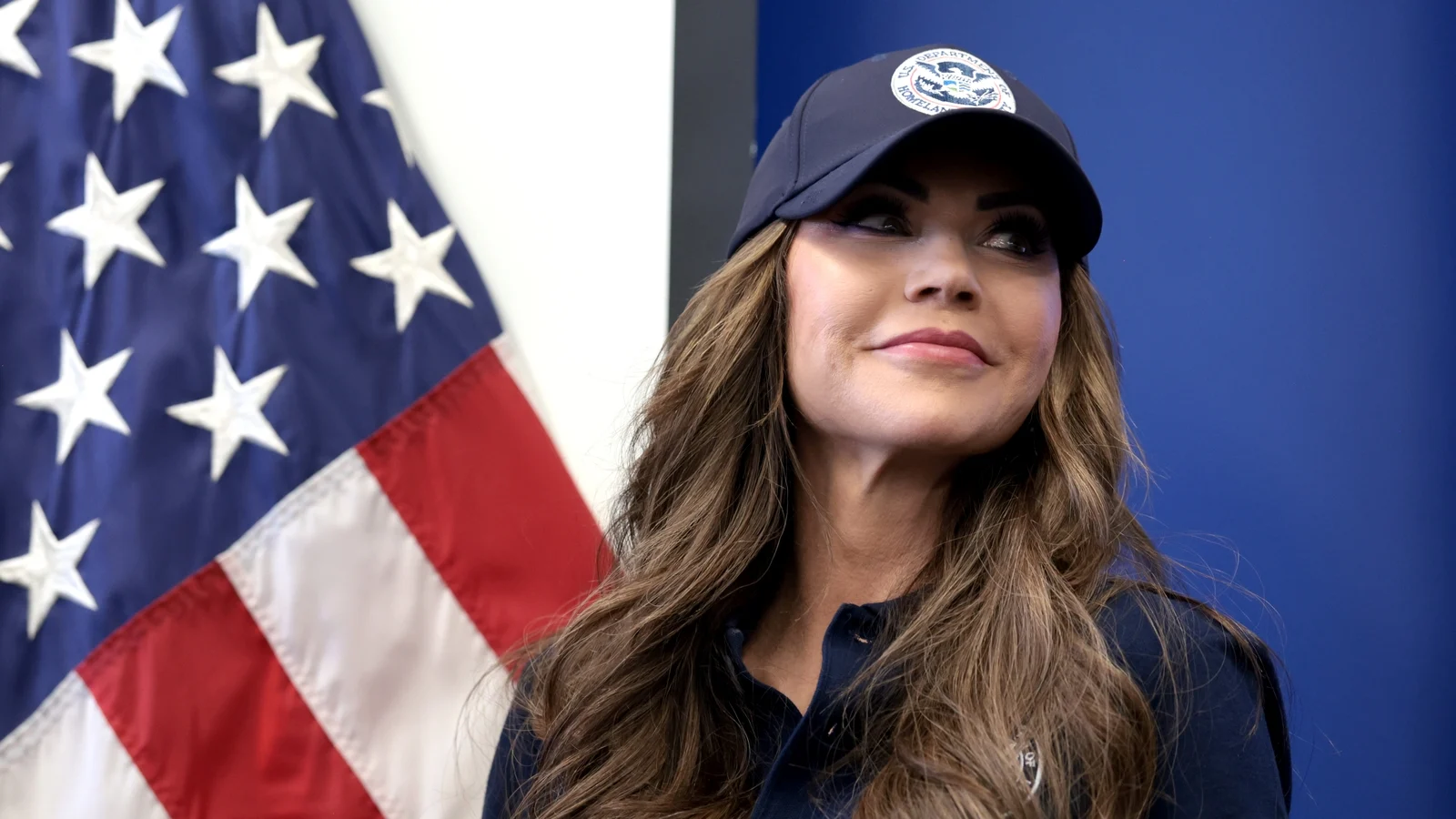
Homeland Security Secretary Kristi Noem publicly linked the accused to the U.S. diversity visa lottery—commonly called the green card lottery— saying he “entered the United States through the diversity lottery immigrant visa program (DV1) in 2017 and was granted a green card.” Secretary Noem called Neves Valente a “heinous individual” who “should never have been allowed in our country,” and announced, at President Trump’s direction, an immediate pause to the DV1 program.
The DV lottery, managed by the State Department, makes up to 55,000 permanent-resident visas available annually to nationals of countries with lower historic rates of immigration to the U.S. Ireland, and by extension citizens of Portugal through reciprocal eligibility lines in some years, are typically among those eligible. The program’s defenders call it a long-standing route for diversity and opportunity; its critics, long skeptical, now cite tragedies such as this as proof of the need to re-evaluate.
At a press briefing, U.S. Attorney Leah Foley provided some of the case’s timeline: Neves Valente received an F1 student visa to study at Brown around the turn of the century, returned to Portugal for additional study and later obtained permanent resident status. She also noted that he and MIT professor Nuno Loureiro shared an academic program in Portugal years earlier. But Foley stopped short of offering a motive. “We still do not have a clear explanation,” she said, and authorities cautioned against speculation as the investigation continued.
Names, Faces, and Lives Cut Short
Among the dead were two Brown students whose lives were just beginning to fan outward in different directions. Ella Cook, a campus leader who served as vice president of the university’s Republican association, was remembered by classmates as “quietly fierce.” Mukhammad Aziz Umurzokov, originally from Uzbekistan, was described by friends as one of those students who always carried a stethoscope: he hoped to become a neurosurgeon.
At MIT, the slain professor, Nuno Loureiro, was a respected mind in his field—an academic both colleagues and graduate students said combined warmth with exacting rigor. “He pushed you hard but he was always the first to bring coffee for the team,” a former student recalled. In Brookline, neighbors left flowers and little notes on a stoop where lights still burned late into the night.
How the Manhunt Unfolded
The search for Neves Valente stretched from Providence to Boston to New Hampshire, producing days of anxiety and false leads. At one point investigators detained another individual who was later released. Police say the case was ultimately cracked by a combination of surveillance footage and a trail of financial data.
“The groundwork started in the city of Providence,” Providence Police Chief Oscar Perez told reporters. He credited careful detective work: license plates switched on a rental car, a phone that was hard to trace, video clips pieced together. “It wasn’t flashy. It was methodical.”
Campus Security and the Limits of Surveillance
As the dust of the investigation settled, attention turned to institutional preparedness. Brown disclosed that none of its roughly 1,200 campus security cameras were linked into the city’s police surveillance system—a detail that raised alarms and prompted angry questions from public figures, including former President Trump. Students and parents asked bluntly: could this have been prevented, or at least stopped sooner?
Security experts say the answer isn’t simple. “Cameras are only as effective as the systems and people behind them,” said Jenna Morales, a campus safety consultant who has worked with universities across the U.S. “You need real-time monitoring, clear protocols about who can tap footage and how you coordinate with municipalities. Even then, mass acts of violence are chaotic and fast; they often unfold before an effective response can be mounted.”
Numbers That Don’t Sit Well
The shootings arrived against a grim national backdrop. According to the Gun Violence Archive, which defines a mass shooting as an incident where four or more people are shot, there have already been hundreds of mass shootings in the United States this year. Attempts to pass tighter gun restrictions remain mired in deep political divide, leaving communities to grapple with the aftermath over and over again.
“We’re seeing a policy malaise in the face of a public-health crisis,” said Dr. Aisha Karim, a sociologist who studies gun violence. “Universities are microcosms of society. When lawmakers and institutions fail to act on upstream causes—access to firearms, mental-health infrastructure, community cohesion—the consequences arrive here.”
Voices from the Ground
On the Brown campus, a candlelight vigil gathered hundreds. “We came here not just to mourn, but to hold each other up,” said Malik Thompson, an undergraduate studying literature, his voice cracking. “I keep thinking about a guy I knew from anatomy lab—Mukhammad—who would ask everyone their favorite food to break the ice. He was always making plans.”
A Brookline neighbor, Helen Santos, described Loureiro as “the kind of professor you saw on the green playing with his kids on the weekends.” She sighed. “It feels like our small, quiet place was breached.”
Beyond the Headlines: What Comes Next?
There are procedural answers—security audits, improved data-sharing between campuses and police, pauses to specific immigration programs—but there are also deeper questions pulsing under the surface. How do we balance the openness that universities require with the security they need? How should a nation reconcile a long tradition of offering refuge and opportunity with the legitimate desire to prevent violence?
University president Christina Paxson, grappling with the grief in her community, said simply: “Nothing can fully bring closure to the lives that have been shattered by last weekend’s gun violence. Now, however, our community has the opportunity to move forward and begin a path of repair, recovery and healing.”
What would healing mean here, and across America? It will mean policy conversations that communities can participate in, investments in mental-health care and campus safety that don’t rely solely on cameras, and the slow, steady work of restoring trust. It will also mean remembering the people whose paths were cut short: a student with a stethoscope, a professor with coffee for his team, a campus where people argued fiercely but also laughed together.
As you read this, ask yourself: what would safety look like where you live or work, and what are we willing to change to get there? The answers will define the campuses—and the country—we build next.