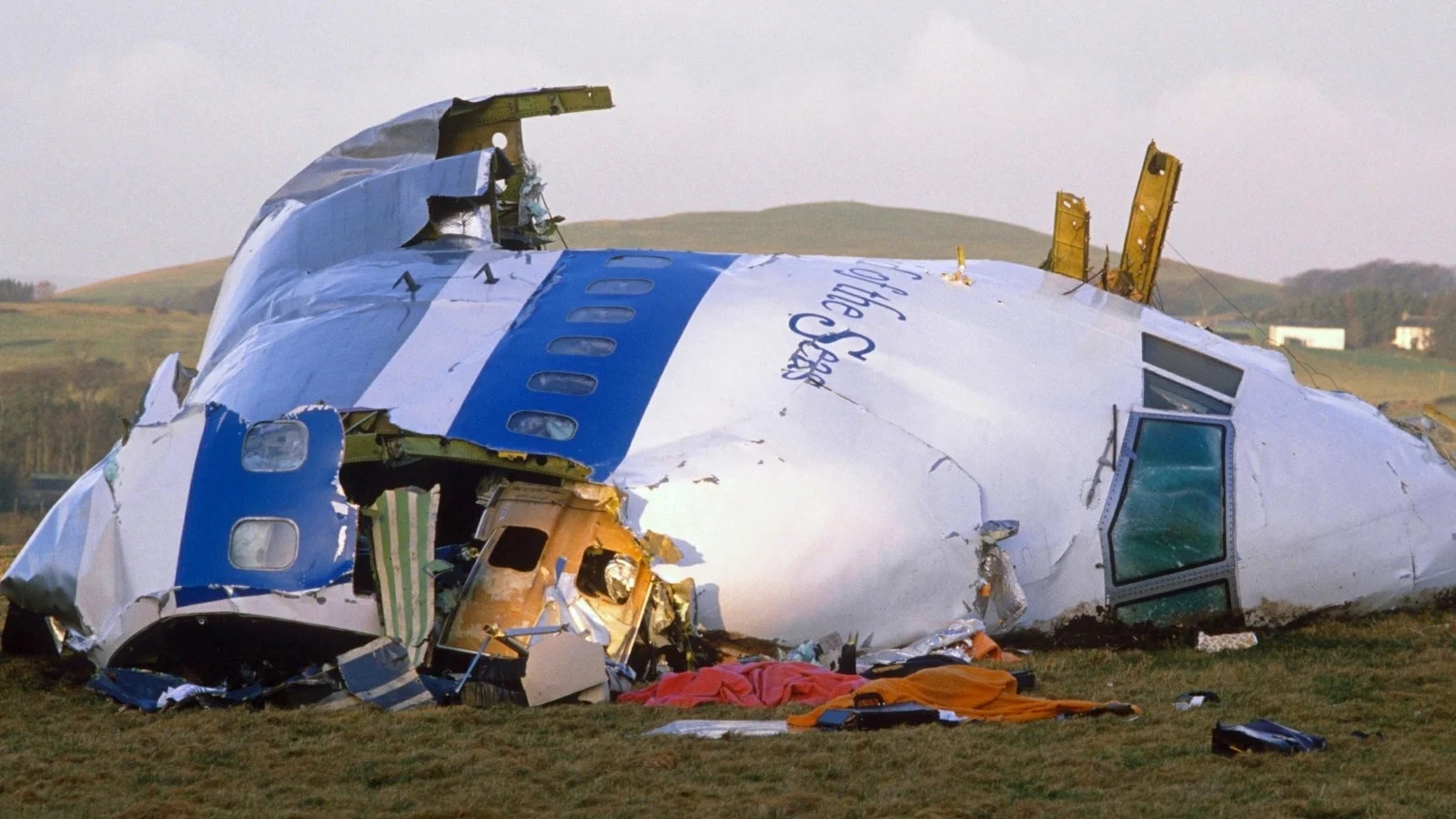
A decades-old mystery at the heart of one of the world’s most notorious aviation attacks has hit a new delay in a US courtroom, after a federal judge postponed the trial of a Libyan man accused of building the bomb that brought down Pan Am Flight 103.
Jury selection in the case of Abu Agila Mohammad Masud had been scheduled to begin tomorrow. Prosecutors allege Masud worked as an intelligence operative for the regime of Libyan dictator Muammar Gaddafi from 1973 to 2011.
But Judge Dabney Friedrich yesterday ordered the proceedings put on hold, pointing to “newly discovered evidence” and “evidence located in other countries” that must be addressed before the trial can move forward.
The court did not immediately assign a new start date. Instead, a hearing was set for 1 September to review the status of the case and determine next steps.
Masud has pleaded not guilty to charges tied to the “destruction of an aircraft resulting in death.” If convicted, he could be sentenced to life in prison.
Pan Am Flight 103, en route to New York, exploded 38 minutes after departing London in 1988. The blast sent the main fuselage crashing into the Scottish town of Lockerbie, scattering wreckage across a wide area.
The attack remains the deadliest terror incident in Britain. It killed all 259 people on board — including 190 Americans — and 11 people on the ground, for a total of 270 dead.
Masud has been held in US custody since 2022, following his extradition from Libya.
To date, only one person has been convicted in connection with the bombing.
Abdelbaset al-Megrahi, a former Libyan intelligence officer, served seven years in a Scottish prison after being convicted in 2001.
He later returned to Libya and died there in 2012, continuing to insist he was innocent.