At the Edge of Winter and War: Kyiv’s Push for a Leader-Level Breakthrough
On a gray morning beside the Dnipro, where the river moves like a patient promise through Kyiv, urgency is a kind of weather. Inside a modest office that looks out over the water, Ukraine’s diplomatic team is quietly insisting that the next acts in this four-year tragedy must be written at the highest level: face-to-face, leader to leader.
“The hard stuff can only be sorted where leaders can look one another in the eye,” a senior Ukrainian diplomat told me, tapping a desk map as if the lines might change under his fingertips. “We have a list, and most of it is technical. But the remaining points? They’re political, raw and symbolic.”
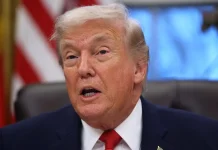
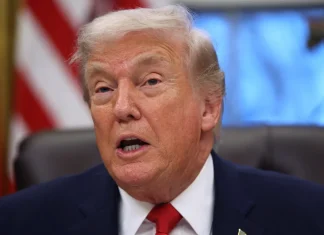
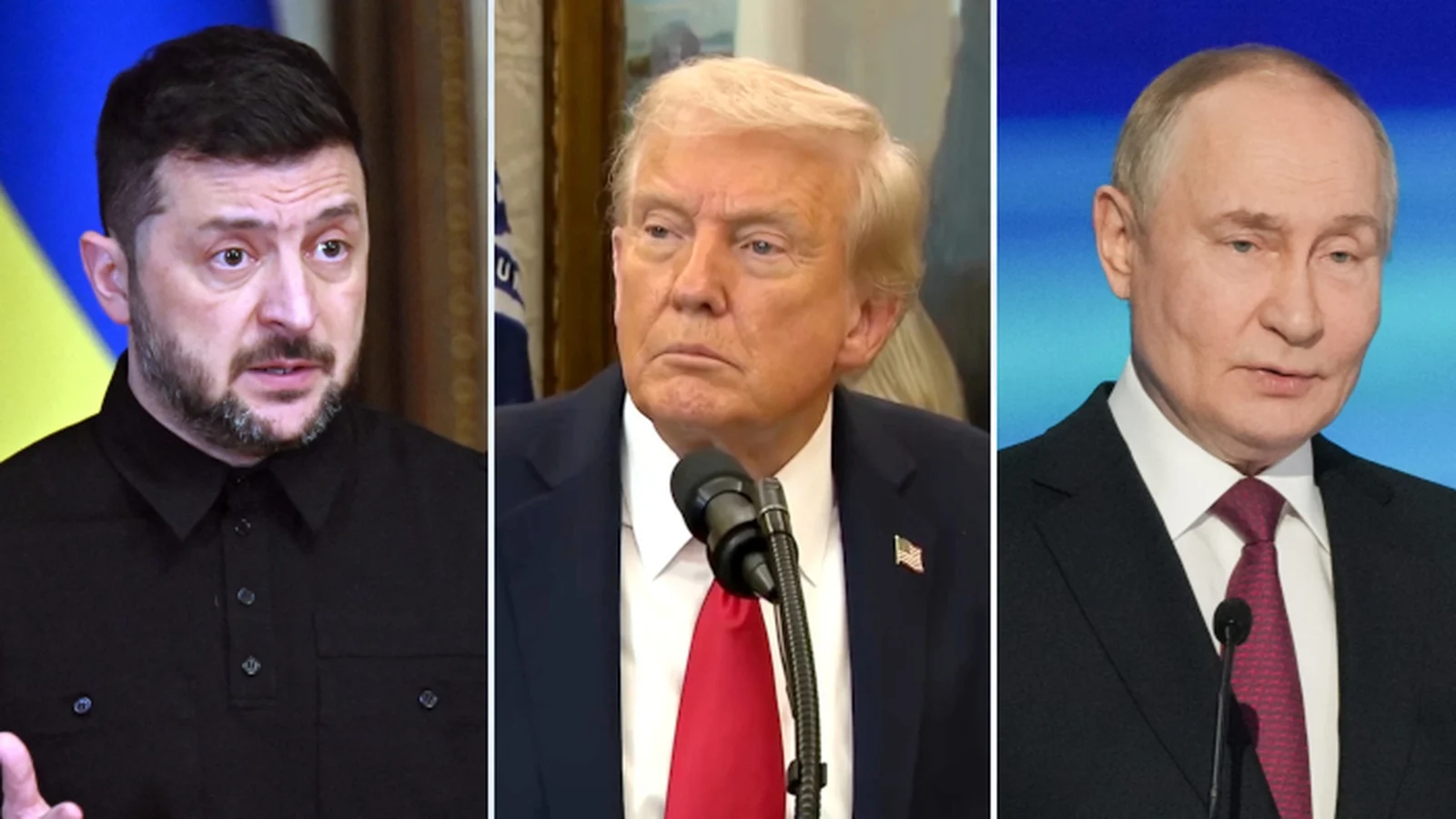
That rawness explains the bluntness of the claim that has echoed from Kyiv’s corridors: only one person on the world stage, according to some Ukrainian officials, has the leverage to pull Moscow and Kyiv across the table and across the final hurdles—former US President Donald Trump.
Momentum, Midterms and the Tight Calendar
Momentum is a fickle thing. It arrived in Abu Dhabi this week in the form of another round of trilateral talks between the US, Ukraine and Russia, and in a prisoner exchange that saw 314 soldiers walk free—the first such swap since October. Yet when negotiators left the table, there was no declaration of a deal or a final text.
“We don’t have an impasse so much as a narrow, difficult pass,” said a Western negotiator who asked not to be named. “Most items on the 20-point framework are agreed or close. The rest are what historians will call the ‘hard symbolism’—land, sovereignty, and how to guarantee peace.”
Part of the race against time is domestic political: the US congressional mid-terms loom in November, and with them the specter of shifting priorities in Washington. Kyiv wants to convert conversations into binding commitments before electoral currents further complicate an already fragile window.
What’s Left on the Table
The sticking points are as visceral as they are legal. Moscow still demands control—formal or de facto—over territories it has fought to hold, including large swaths of Donetsk. Kyiv refuses to give up what many Ukrainians call the non-negotiable: the territorial integrity of their country and the return of the Crimean Peninsula.
Then there is Zaporizhzhia, Europe’s largest nuclear power plant, sitting in occupied territory and serving as a chilling bargaining chip. “We will not trade our safety for a headline,” said a senior Ukrainian energy official. “Control over Zaporizhzhia cannot be part of a deal that endangers millions.”
For Kyiv, any arrangement must include robust security guarantees after a ceasefire. That is where the Americans—and the shape of American politics—become central. Washington, officials say, is ready to anchor a security “backstop” and even ratify guarantees in Congress, but it is not offering boots on the ground. Instead, the proposed verification architecture would rely on drones, sensors and satellites operated by a coalition of willing states.
What Ukraine wants
- Full withdrawal of Russian forces from occupied Ukrainian territories
- Return of Crimea and non-recognition of Russian sovereignty over the peninsula
- Control and safety guarantees for critical infrastructure, notably Zaporizhzhia
- Western security guarantees and a verification mechanism without foreign occupation
On the Streets: The Human Ledger of War
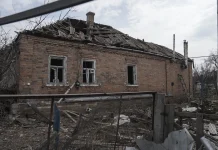
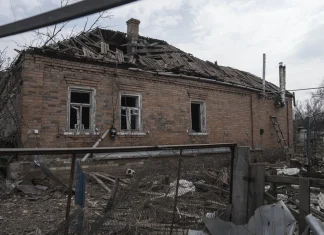
In Kramatorsk, a shopkeeper named Oksana stood outside her shuttered storefront and pointed to a line of scarred buses along the avenue. The scars were not metaphoric; they were scorch marks and twisted steel from the KAB bombs that reduced whole blocks to black skeletons.
“We want peace,” she said, fingers hooked around a thermos, breath clouding in the cold. “But not at the price of telling our children their home was sold.”
Across Kyiv, where blackout curtains are as common as winter coats, households have learned a new rhythm—charge devices during the day, light candles early, and measure warmth like a precious commodity. Officials say some regions have endured blackouts lasting up to 20 hours as energy and logistics nodes come under repeated attack.
Ukrainian leaders have catalogued the onslaught: in recent weeks Kyiv’s security services reported more than 2,000 attack drones, some 1,200 guided aerial bombs and over a hundred missiles launched into Ukrainian cities and towns. Whether every figure can be independently verified, the scale—combined with targeted hits on power stations—paints a grim portrait.
Sanctions, Sovereignty, and the Risk of Deals Without Kyiv
There are also quiet fears that major deals could be cut without Ukrainian consent. Talk in diplomatic circles of investment packages and ambitious post-war reconstruction sums—figures that some claim have reached into the trillions—has raised the hackles of Kyiv officials.
“Any negotiation about our land, our borders, or our sovereignty without us is not just bad diplomacy; it’s illegal,” said a foreign ministry adviser. “Recognition of the occupation would be legally void and morally unacceptable.”
Ukraine has itself moved to tighten the screws on companies that supply components used in Russian drone and missile production, adding to accumulating sanctions that target foreign intermediaries from the Gulf to East Asia.
Can Global Architecture Hold a Fragile Peace?
When people speak of security guarantees, they mean more than words. They envision something that feels enforceable—an Article Five-like assurance that an attack on Ukraine would trigger a collective response. Western leaders have shied away from exactly such language, preferring instead layered mechanisms: rapid-response logistics, pre-positioned supplies, and legal treaties that could deter aggression without putting foreign troops in harm’s way.
“The world has learned that deterrence does not only come from tanks,” said Dr. Lina Hartmann, a security analyst in Berlin. “It comes from integrated monitoring, from diplomatic credibility, and from the economic costs that will follow any breach.”
Toward a Vote, Toward a Future
Behind closed doors, officials have sketched tentative calendars: a draft deal by March, a referendum in Ukraine perhaps aligned with elections in May. Such a timetable is fraught with risk—both practical and political—but it underscores the desire to pin down a future before the international winds shift.
“We are trying to run a marathon while building the road under our feet,” one Kyiv diplomat said. “It is messy, it is dangerous, and yet it is necessary.”
So where does that leave the ordinary citizen? For many, the calculus is immediate: heat, light, safety for children. For others, there is a deeper question—can a nation rebuild trust after land has been lost and neighbors displaced? How do you forge security guarantees that feel real to someone who remembers shelling at dawn?
These are not merely bargaining chips on a table. They are the contours of people’s lives, the outlines of towns, the memory of loved ones lost and of homes that may or may not be returned. As delegates polish papers and leaders weigh photographs of maps, the people of Ukraine are living the consequences.
And that is why many here press the point that a final settlement must be made where heads of state can commit with their names on the line. Who will be present at that table? Which nations will lend their instruments—legal, technical, and moral—to keep a fragile peace? Those answers will tell us whether this season of negotiation is a true turning point or merely a pause between storms.
Will international architecture—and American political will—be enough to hold the lines drawn? Only time, and perhaps a few courageous conversations in Miami, Abu Dhabi, or Kyiv, will tell.