Night Over Palmyra: A Desert Echo of Retaliation
The stars above Palmyra watched, indifferent and unblinking, as warplanes and helicopters marked a different kind of night — one of thunder and ordnance rather than the quiet that usually settles over marble ruins and sand. What began as the grief of three deaths rippled outward into a barrage: more than 70 targets struck across central Syria in a sweep the Pentagon described as precise, swift and punitive.
“We struck known ISIS infrastructure and weapons sites with more than 100 precision munitions,” US Central Command said, naming fighter jets, attack helicopters and artillery among the instruments of the strike. The language was surgical; the spectacle was raw. For residents in and around this ancient city — once a jewel of antiquity and a reluctant battlefield — the sound of retaliatory force was a reminder that the past and present are stubbornly entwined.
Why the Strikes Came: A Brutal Spark
The immediate cause was the December 13 attack near Palmyra that killed two Iowa National Guard sergeants, William Howard and Edgar Torres Tovar, and Ayad Mansoor Sakat, a civilian interpreter from Michigan. US officials, mourning the loss, characterized the assailant as a lone gunman tied to the Islamic State group.
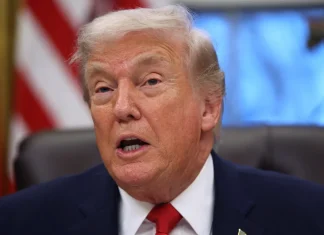
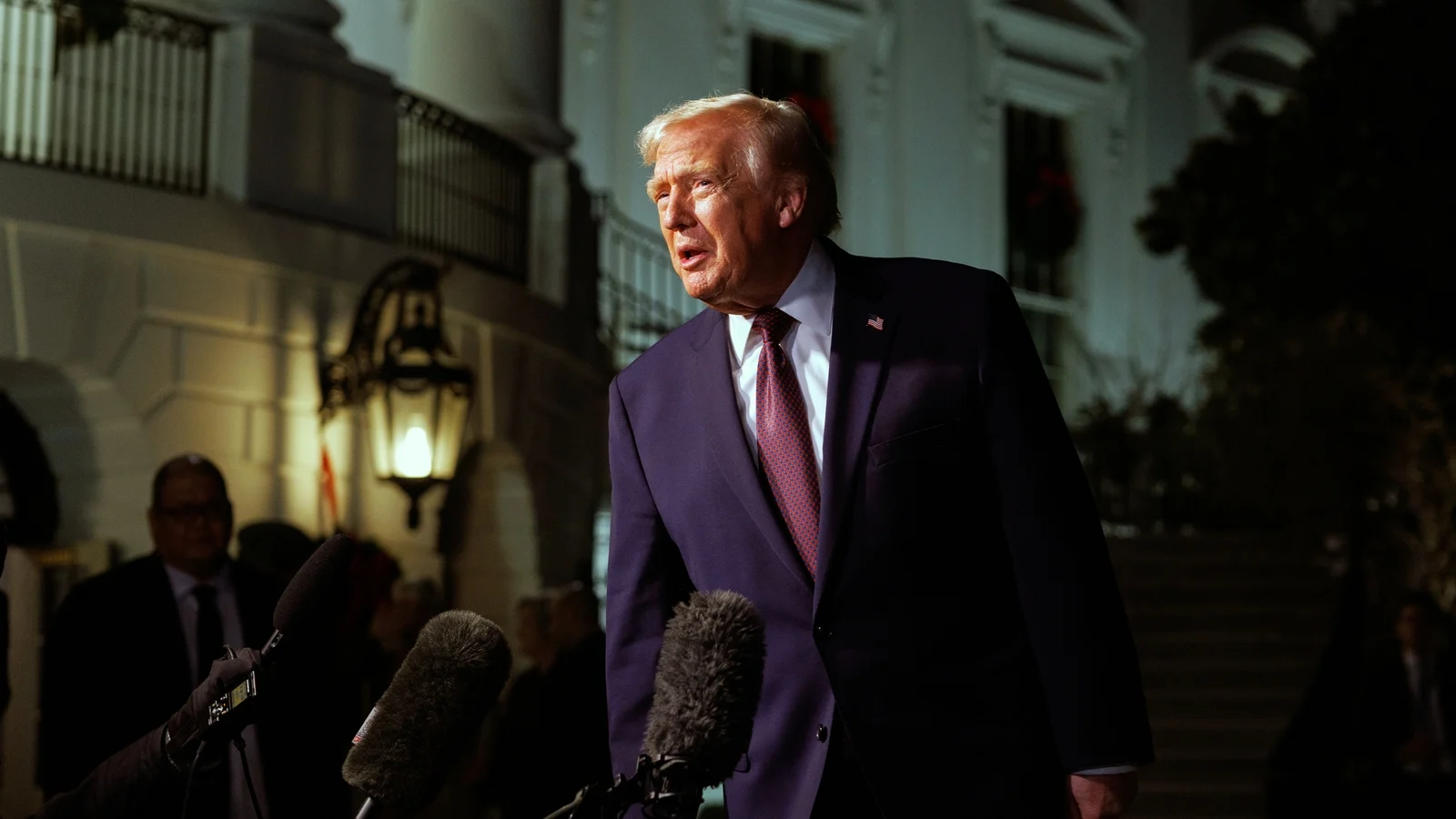
President Donald Trump took to his Truth Social platform to frame the response in blunt terms: “We are inflicting very serious retaliation, just as I promised, on the murderous terrorists responsible,” he wrote, adding that those who attack Americans “WILL BE HIT HARDER THAN YOU HAVE EVER BEEN HIT BEFORE.” Hard words and harder actions followed.
Operations and Outcomes
CENTCOM’s tally did not stop at the airstrikes. In the wake of Palmyra, US and allied forces said they had conducted 10 operations across Syria and Iraq, resulting in the death or detention of 23 suspected extremist operatives. For commanders, the goal is clear: disrupt networks, deny safe havens, and deter future attacks.
“Every strike we carry out is aimed at degrading the group’s ability to plan and execute attacks,” one US defense official told me, speaking on condition of anonymity because of operational sensitivities. “This is about buying time and space for local partners and preventing more American bloodshed.”
Palmyra’s People: Between Ruins and Retaliation
Walk through Palmyra’s dusty lanes and you feel the peculiar intimacy of a place that knows endurance. The colonnaded avenues, scarred and eroded, are reminders that cities survive long after empires fall. Yet the modern city that surrounds those ruins bears fresh wounds: checkpoints, the wary eyes of security forces, and civilians who keep small shops selling tea, phone credits and dried figs.
“We hear the planes, we hear the blasts,” said Samiya, a 46-year-old shopkeeper who has lived here all her life. “But we also bury our dead and open our shops the next day. Life continues because it must. The ruins are older than all of us.”
A local teacher, who asked not to be named, offered a different note. “We don’t want to be a battlefield between outsiders,” she said. “But we also don’t want extremists walking freely. We are tired of both.” Her voice threaded the complex truth: many Syrians want security, yet fear the endless cycle of violence that outside powers and local armed groups perpetuate.
The Broader Geography of Conflict
The strikes unfolded against a wider, tangled backdrop. ISIS — which swept across parts of Syria and Iraq in 2014 and declared a caliphate — was battered by a combination of local ground forces and international air power. By the late 2010s, the group had lost its territorial holdings, but it never disappeared. The vast deserts east of Palmyra remain hospitable to outlaw bands and sleeper cells.
Syria’s foreign ministry posted on X that Damascus remains committed to fighting the extremist organization and “ensuring it has no safe havens on Syrian territory,” language that dovetails with its own security narrative. The Syrian interior ministry also told state broadcasters that the Palmyra attacker was a member of the security forces allegedly facing dismissal for “extremist Islamist ideas” — an internal explanation that raises questions about loyalty, vetting and the strain within state institutions.
Where the US Still Stands
American forces are not monolithic in Syria. Troops remain in the Kurdish-controlled northeast and at Al-Tanf near the Jordanian border, a remnant posture that has at various times numbered in the hundreds. Washington’s policy toward Syria has been uneven: President Trump has oscillated between calls for withdrawal and commitments to keep forces in place. In April, the Pentagon announced plans to reduce US personnel in Syria — a decision that reflected broader fatigue with prolonged deployments.
“The calculus here is complicated,” explained Dr. Laila Mansour, a Middle East analyst at a policy think tank. “On one hand, a small footprint allows the US to pressure ISIS remnants. On the other, reduced presence risks emboldening other actors — local militias, Iranian-backed groups, and even the Syrian regime — to fill vacuums.”
Human Cost and Rituals of Return
The human dimension was writ plainly in a solemn ceremony marking the repatriation of the three Americans. Uniforms, folded flags, and tightly controlled protocol framed the emotional choreography. Family members, military leaders and civilian officials stood shoulder to shoulder, each bearing grief in their own manner.
“They served their country,” a grieving relative said, clutching a photograph. “We want them remembered as more than headlines.” That impulse — to fix a life to a name — is a powerful counterweight against the abstraction of strategic statements and operational statistics.
For residents across Syria, the strikes are another chapter in a story that stretches back more than a decade: the 2011 uprising, the brutal civil war, the rise and fall of extremist enclaves, and the geopolitics of foreign powers. Each external intervention reverberates locally, remaking alliances and resentments.
Questions to Carry Forward
What does deterrence mean in a landscape where fighters melt into deserts and towns? How do you balance the immediate demand for retribution with the long-term goal of stability and reconstruction? And who gets to define security in a place where so many narratives collide?
These are not theoretical queries; they guide policy, shape lives and determine whether, in the months ahead, Palmyra’s nights will be marked by planes or by the soft, ancient winds that have always crossed its ruins.
Closing Reflection
As dawn eventually returned to Palmyra, the city woke to a changed skyline — but the same desert light. The US strikes were framed as justice and deterrence by some, as escalation by others. For a town stitched to its monuments and its memories, those distinctions are less tidy than the briefs in Washington.
In the end, the story here is not only about ordnance and targets; it is about people who breathe the same air as the ghosts of emperors and the footprints of displaced families. It is about the cost of security, the weight of grief, and the fragile hope that, this time, retribution will make room for something steadier. Will it? That is the question Palmyra — and the wider region — will answer in the months and years to come.