When the Arctic Became a Bargaining Chip: Greenland, Tariffs, and a Strange Week in Diplomacy
The wind off the Davis Strait scours paint from the wooden houses of Nuuk, and the harbor is a scatter of bobbing trawlers and stubborn gulls. Here, in the capital of Greenland, life still moves to the rhythms of the sea and the seasons: cod in the nets, seals hauled on ice, elders speaking Kalaallisut over strong coffee.
Then came the headlines—of a different tide. A conversation that began in an American TV studio and rubbed raw a thousand years of colonial history suddenly found itself on the streets of downtown Nuuk, in the parliament halls of Copenhagen, and around conference tables in Brussels. It was, to put it mildly, a strange week for an island everyone assumed was firmly settled in the quiet archives of European geopolitics.
Why One Man’s Words Became a Diplomatic Earthquake
On a Sunday morning program watched by millions, the United States’ Treasury Secretary argued that Greenland should be in American hands. “We are the strongest country in the world,” he said, framing the question of ownership as one of strength versus weakness—America versus Europe—in the high-stakes contest with Russia and China. The implication: control of Greenland is not merely symbolic but strategically urgent.
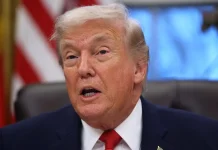
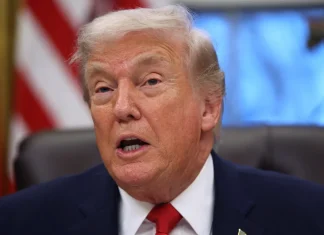
Within hours the idea had metastasized into threats of tariffs. On social media, the U.S. President outlined planned levies—10 percent beginning in February, rising to 25 percent from June unless Greenland were “sold” to the United States. The price was not only political; it was a veiled economic ultimatum aimed at NATO partners who call Denmark one of their closest allies. The rhetoric flattened centuries of nuance into a single transactional sentence: buy this land, or pay.
Immediate Reactions: Protest, Pride, and Panic
In Nuuk and in Danish cities, people turned out by the thousands. A line of protesters in Copenhagen wore baseball caps with the message “Make America Go Away”—an ironic, pointed riff on an older American slogan. In Greenland, fishermen and students and artists packed squares to make a different point: Greenland determines Greenland’s fate.
“This is our home,” said Aqqalu, a 42-year-old trawler captain in Sisimiut, pausing to light a cigarette against the wind. “It is not a postcard you put a price on. Every iceberg here has a name. Every fjord holds our grandmothers’ stories.”
Across the Nordic capitals, the response hardened into diplomatic solidarity. Britain, France, Germany, the Netherlands, Sweden, Norway, Finland and Denmark issued a joint warning that tariff threats would “risk a dangerous downward spiral.” The European Union—an economic bloc of 27 countries and roughly 450 million people—called an extraordinary meeting of its ambassadors. France’s president signaled that the EU might deploy its so-called “anti-coercion instrument,” a trade weapon never used, intended to shield the bloc from bully tactics.
Security, Sovereignty, and the Growing Arctic Chessboard
Why the fuss about Greenland? It is geography—massive, ice-covered, and strategically perched between North America and Europe. Greenland is roughly twice the size of Texas, though home to only about 56,000 people. As polar ice retreats, shipping lanes open and mineral prospects—chromium, uranium, rare earths—gleam on global radar. Military planners see a chokepoint; economists see opportunity. Indigenous leaders see life at stake.
American officials framed the idea as an act of preventive security, arguing that Denmark and its European partners project a kind of “weakness” that could leave Greenland vulnerable to great-power encroachment. Opponents were blunt. “Declaring an emergency to prevent an emergency is a circular logic,” said Senator Rand Paul, warning against the idea of using extraordinary powers to seize an allied territory. “There is no basis for such force.”
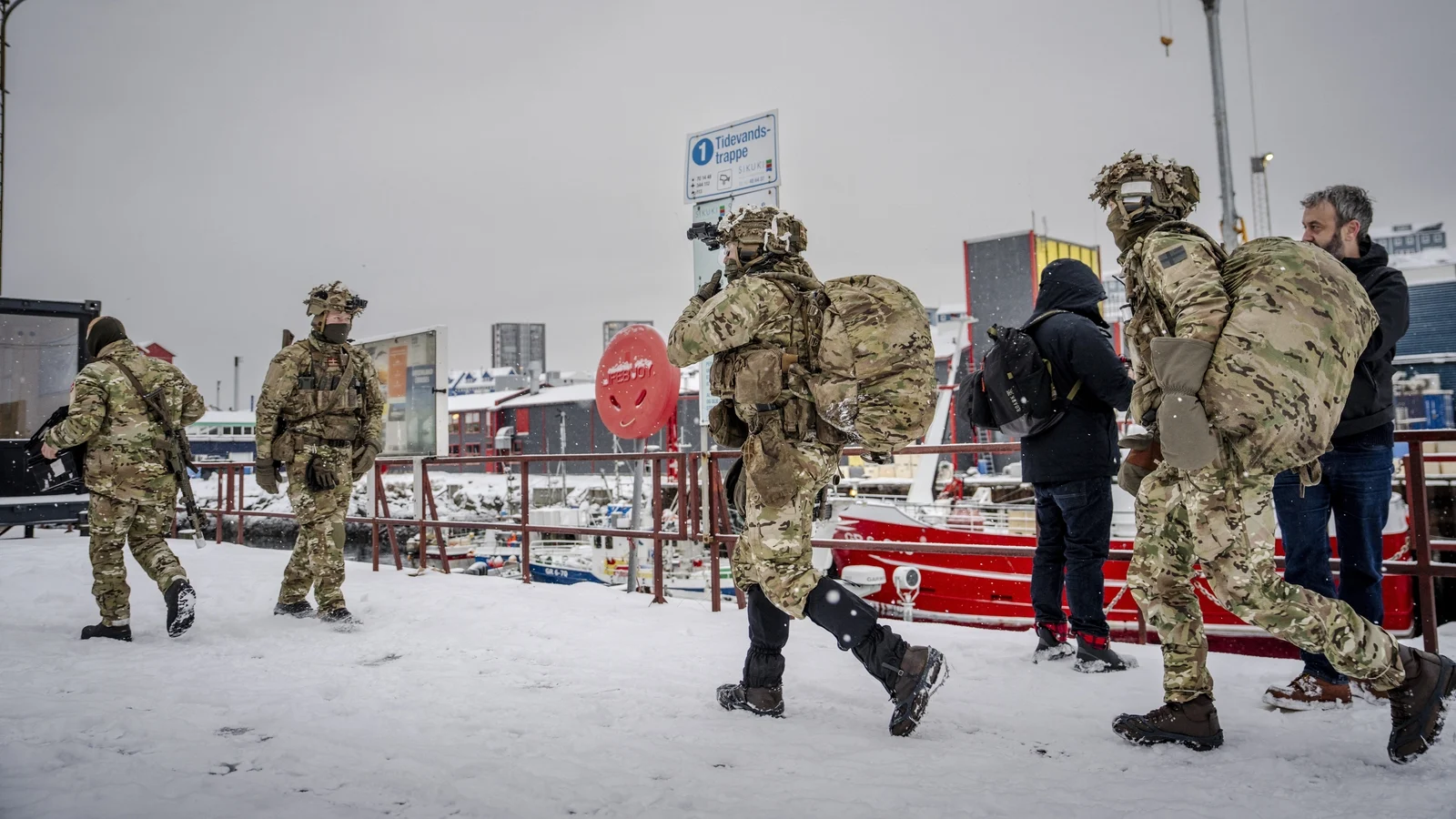
Even the military posturing tells a careful story. Denmark and several NATO allies have recently increased their presence in Greenland with exercises and reconnaissance missions; a handful of German soldiers departed after a recon flight. The United States, meanwhile, is rebuilding bases and reviving an Arctic interest that had lain dormant since the end of the Cold War.
Local Voices and the Weight of History
To understand why Greenlanders reacted with such visceral resistance, you have to listen to the layers beneath the headlines. Denmark’s relationship with Greenland is itself a complex legacy of colonization, paternalism, and, more recently, increasing autonomy. Greenlanders have been negotiating their own path—balancing economic dependence on subsidies from Copenhagen with a desire for greater self-rule and cultural revival.
“We remember when Sovereignty meant someone else deciding for us,” said Inuk, a university student in Nuuk who studies Indigenous governance. “People here want a say. We want climate policies that respect our way of life, not transactions decided in rooms where we aren’t invited.”
That sense of exclusion was in stark relief at the protests. Signs in Kalaallisut, Danish, and English testified to a shared message: Greenlanders are more than pawns.
Trade as a Weapon—And What That Could Cost
The immediate tool in this diplomatic struggle is economic. Tariffs, by design, squeeze livelihoods and sway public opinion. France’s agricultural minister warned that tariffs would rebound on American farmers and manufacturers—tariffs are boomerangs as much as they are bricks. Norway, though directly targeted by proposals, urged restraint. “A trade war helps no one,” Prime Minister Jonas Gahr Store cautioned, calling for calm and dialogue.
Experts on both sides of the Atlantic note the high costs of such brinkmanship. “A 25 percent tariff across major European exports would not only disrupt industry—it would jeopardize supply chains that are deeply integrated with U.S. businesses,” said Dr. Maria Jensen, a trade economist who has studied transatlantic commerce. “The ripple effects would reach consumers and farmers in both continents.”
Questions for a Restless World
What does it mean when a modern superpower treats the fate of an indigenous population as a geopolitical bargaining chip? How should alliances function when the strategic calculus of one partner clashes with the sovereign rights of another? And perhaps most humanly: who gets to decide a people’s future—their government, their neighbors, or distant capitals?
These are not abstract queries. They touch on the broader arc of our times: a world where climate change redraws maps, where global power contests flare at the edges of cooperation, and where populist rhetoric can reshape foreign policy overnight.
Where We Go From Here
For now, diplomats are on the move. Denmark’s foreign minister plans to visit Norway, Britain and Sweden to clarify NATO’s Arctic stance. Brussels has convened. Protests will continue. The Greenlandic parliament and its people will make their voices heard.
And tucked into those official maneuvers is a quieter, more urgent conversation: how to secure the Arctic without erasing the rights and cultures of those who have lived there for generations. The question is global, because the Arctic’s future—its waters, its weather, its permafrost—affects us all.
So I ask you, as you read this far from an island of ice: would you tolerate your homeland being offered as a bargaining chip for geopolitical leverage? What would you trade for the promise of security? The answers will shape not only one place’s destiny, but the logic by which nations treat one another in an age of scarcity and rising seas.
In Nuuk, the wind still scraps the paint from the houses. The fishermen mend nets. People argue and vote and sing. For Greenlanders, life goes on, stubborn and luminous. But the way the world argues about them—overhead and over the phone and in the glow of TV studios—may prove to be a mirror for what kind of global community we want to be.