At the Security Council: A Stage Set for a New Cold-Weather Drama
It was the kind of United Nations meeting that tastes of old rivalries: polished shoes, whispered consultations, and a chamber full of cameras waiting to catch the moment a word becomes a cudgel. Delegates traded not only statements but the kind of theatrical moral outrage that plays well on television and worse at the negotiating table.
Russia and China stood shoulder to shoulder with Venezuela on one side of the room, accusing Washington of “cowboy behaviour” and “intimidation.” On the other, the American delegate spoke in blunt, protective tones: the United States, he said, would do everything to defend its hemisphere. The exchange was sharp, public — and emblematic of something broader than a single dispute.
Voices from the Podium: Sovereignty vs. Security
“The acts by the US side run counter to all key norms of international law,” Vassily Nebenzia, Russia’s UN ambassador, told the council, his voice even but unyielding. “This blockade is an act of aggression,” he said, drawing nods from the Venezuelan table.
China’s representative answered in measured Mandarin before the interpreter’s cadence softened it into English: “China opposes all acts of unilateralism and bullying and supports all countries in defending their sovereignty and national dignity,” said Sun Lei, framing the debate as one about principle as much as power.
From Caracas, Ambassador Samuel Moncada spoke with the desperation of a government under pressure. “We are in the presence of a power that acts outside of international law, demanding that Venezuelans vacate our country and hand it over,” he said. “This is the greatest extortion known in our history.”
And from the U.S. corner, Ambassador Mike Waltz did not flinch. “The United States will do everything in its power to protect our hemisphere, our borders, and the American people,” he declared, reiterating accusations that Venezuela’s leadership is complicit in criminal networks that traffic drugs and people.
On the Water and in the Streets: Two Different Realities
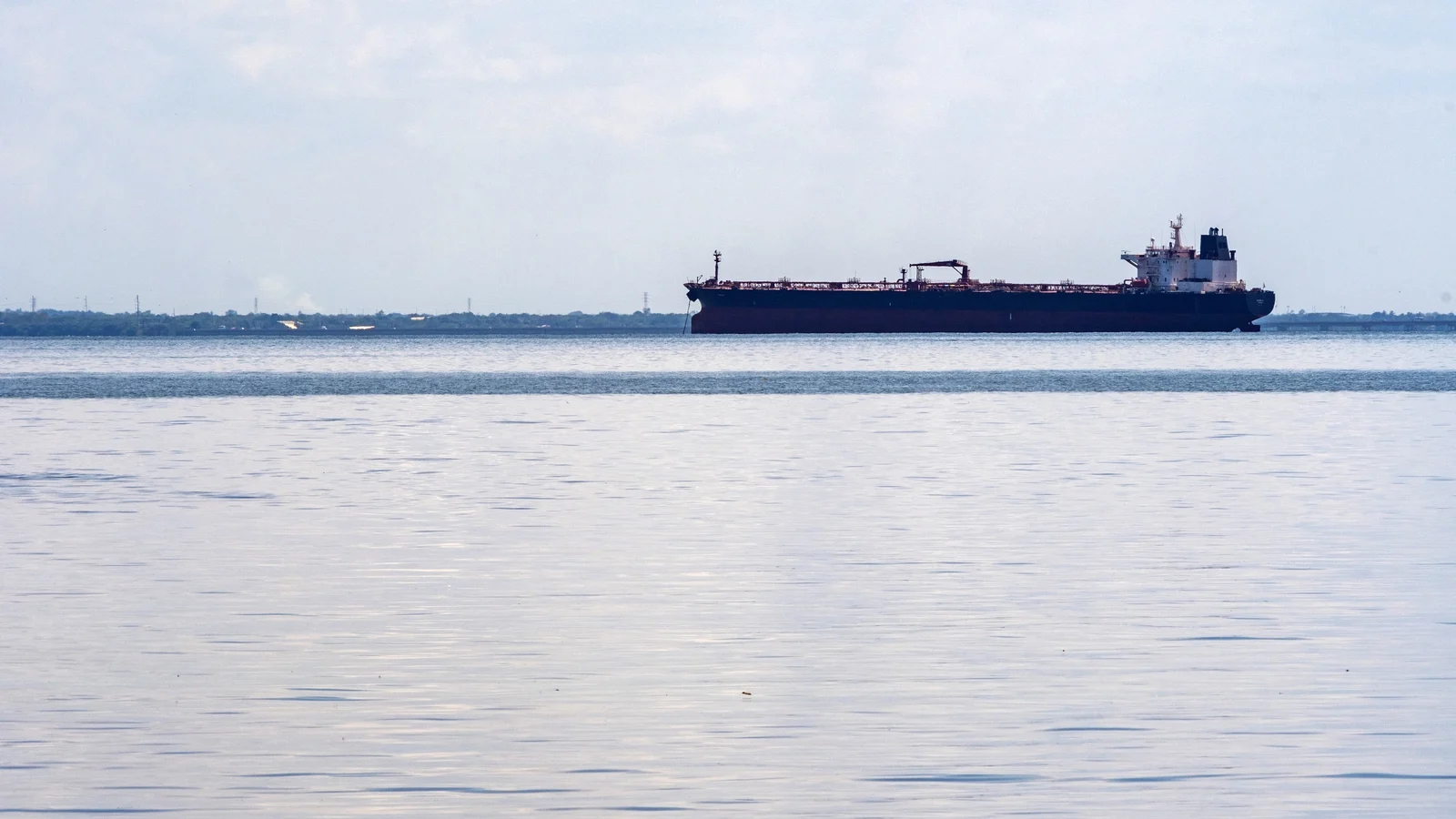
These are not abstract words for those living in the Caribbean and along Venezuela’s coast. In recent months Washington has increased its naval presence in the region and intercepted vessels it said were breaching sanctions. Some of those interdictions have turned lethal: independent monitors and local reports say dozens of people have died in encounters at sea, with some tallies pushing past 100 since the intensified operations began.
On the ground in Caracas, the scenes are quieter but just as vivid. “There’s a fear more than anger,” said María Rojas, a 46-year-old arepa vendor whose stall sits beneath the watchful statue of Simón Bolívar. “People still talk about oil as a blessing and a curse. We hear that it keeps our country important — but it has not paid the bills for our lives.”
For many Venezuelans the debate at the United Nations is personal. An estimated 7 million people have left the country in the past decade, making Venezuela one of the largest displacement crises in the Western Hemisphere. Shortages of medicine, repeated power outages, and runaway inflation are not just policy talking points; they are the texture of everyday existence for millions.
Oil, Power, and the Limits of Sanctions
Venezuela’s oil reserves are central to this story. The country is widely estimated to possess the world’s largest proven reserves — on the order of hundreds of billions of barrels — yet extracting value from those reserves has been hamstrung by investment shortfalls, corruption, and sanctions that have throttled exports.
Washington argues the measures are aimed at curbing networks that use oil revenue to bankroll criminal activity. “We have credible evidence,” Ambassador Waltz said in the council, “that the regime funnels resources into narcoterrorism, human trafficking, murders, and kidnappings.” Caracas flatly denies such charges, and international experts caution that the evidence presented publicly has not established a clean, hierarchical criminal enterprise under the label so often invoked in political rhetoric.
What the Experts Say
“Sanctions are a blunt tool,” said Dr. Ana Campos, a maritime law scholar who has advised several Latin American governments. “They can constrain state revenue streams, but they also push activity into murky channels. When interdictions at sea turn violent, the state of law — and humanitarian oversight — matters. Who is counting the dead?”
Former diplomat James Carter (not the former U.S. president), now at an international think tank, urged caution. “The pressing question isn’t which country is to blame in poetic terms,” he said. “It’s how do we secure human safety while ensuring that legal mechanisms and transparent evidence guide any punitive action?”
Beyond the Bluster: Lives in the Balance
Outside the marble halls and televised denunciations, Venezuelans are making choices that will shape the region for years to come. Young people join the steady migration to Colombia, Peru, or further afield in search of work. Relatives debate whether to keep a small business running amid power cuts. Fishermen along the Caribbean coast whisper about routes to avoid and ships to trust.
“I used to fish with my father off La Guaira,” said Luis Gómez, a 28-year-old whose family boat was seized last year. “Now I teach English. Sometimes I dream of the sea. It’s like waking up in a different story you never asked to be in.”
Questions for the World
What does it mean for global governance when great powers use the Security Council as a theater rather than a forum for mediation? How do we weigh the rights of a sovereign state against allegations of criminality that implicate its leadership? And ultimately, who pays the price when economic leverage and naval power collide?
- Venezuela: estimated largest proven oil reserves (hundreds of billions of barrels)
- Migration: roughly 7 million Venezuelans have left the country in recent years
- Casualties: independent reports place the death toll from recent interdictions at sea in the dozens to over 100
Where Things Might Head
This conflict at the Security Council is more than an episode; it is a signal flare. It raises questions about the future of multilateralism, of regional security arrangements, and of how energy geopolitics intersect with human rights. If the next turn is escalation, the human cost will rise — and fast.
For readers watching from cities that never see the Caribbean sun, consider this: decisions made in faraway halls ripple into lives shaped by daily shortages, long migrations, and the sound of the sea crashing against shores where men and women still dream about a future unbound by oil and by geopolitics.
What would you do if the resources under your feet were coveted by world powers? Who do you trust to adjudicate the claim: a distant council chamber, a naval blockade, or an impartial court with the power to compel evidence? The answers will determine not just policy, but the shape of millions of lives—and of a region trying to heal.