When a Wolf Walked into a Mall: Nightfall in Altona and a Moment that Stopped a City
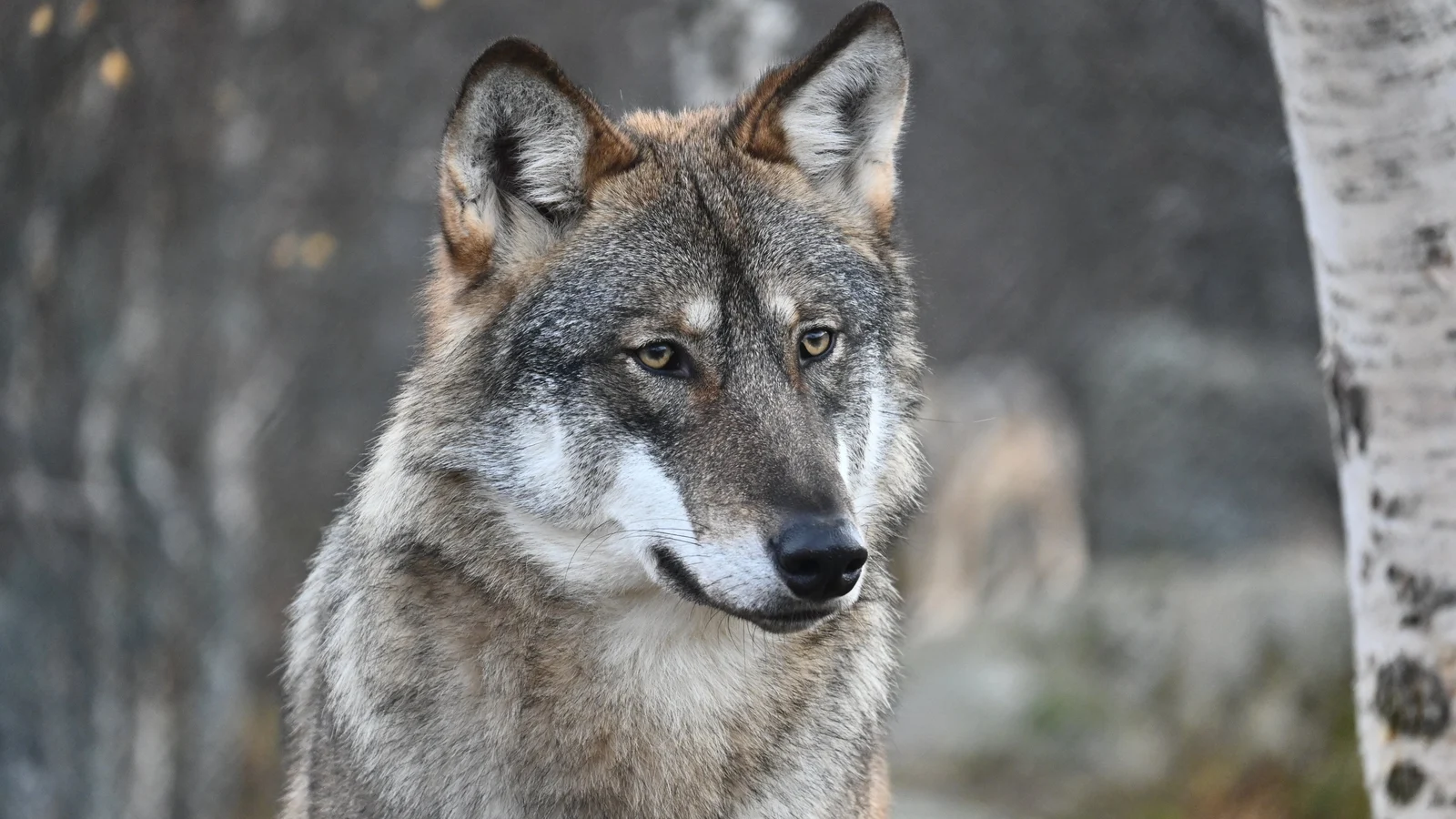
It was a Thursday evening like any other in Hamburg’s Altona district: the smell of roasted chestnuts mixed with coffee from nearby cafés, shoppers drifting between stores, the low hum of the S-Bahn in the distance. Then a flash of animal grace — a wolf — found its way into a shopping centre and turned routine into a story that now circles the globe.
The scene sounds almost cinematic: a wild canine slipping past automatic doors, eyes wide, paws silent on tile. People froze. A woman was bitten in the face — a jolt of violence in a place built for commerce and comfort. “It happened so fast,” one shopper later told reporters. “One moment I was choosing a scarf, the next everyone was running.”
Officials, Experts, and a City on Edge
Hamburg’s deputy mayor, Katharina Fegebank, said the animal had been sighted in different parts of the city in the days leading up to the incident. “Until yesterday evening the wolf had shown typical behaviour for a wild animal and had avoided human contact,” she said, acknowledging how unusual and unsettling the mall encounter was.
Police captured the wolf and transferred it to a wildlife park. “We will find a solution for the wolf very quickly,” Fegebank added, trying to reassure a public already teetering between fear and fascination.
The Federal Agency for Nature Conservation (BfN) described the attack as the first of its kind since wolves began returning to Germany nearly three decades ago — a stark reminder that conservation success sometimes carries complicated consequences.
What Happened, and Why?
Early accounts suggest the animal was likely a juvenile dispersing from its pack, an age when wolves are more prone to exploring and sometimes becoming disoriented. Local environment authorities said the canid had been observed in the west of Hamburg on Saturday and again on Sunday, before entering the centre on Thursday evening.
Experts say a mall’s confined, artificial environment can provoke extreme stress in a wild animal. “Bright lights, echoing sounds, the smell of people — all these are very foreign to a wolf,” explained Dr. Lena Hoffmann, a fictional carnivore ecologist I spoke with for context. “A young wolf far from its pack might react unpredictably under such pressure.”
Authorities did not disclose the woman’s full condition; local reports note she was bitten in the face and received prompt medical attention. For now, she is one voice among many in a city trying to reconcile surprise with safety.
Local Reactions: Between Astonishment and Empathy
“I’ve lived in Altona my whole life,” said Mehmet, a döner vendor outside the centre. “You say ‘Moin’ to your neighbour and you don’t expect a wolf to walk by. But I also remember stories from my grandmother — animals used to be everywhere. Maybe we are just seeing a different chapter.”
A shop assistant who witnessed the capture recalled the wolf’s demeanor: not aggressive, but frantic. “It looked lost. It wasn’t how you see them in documentaries, all majestic and calm. This one was scared.”
On social media, reactions swung widely: some called for immediate culling, others for careful relocation. A third group, including conservationists and many residents, urged restraint and a measured response. “We have a duty to protect wildlife as well as people,” said a spokesperson from a local animal-welfare NGO. “This is not about choosing sides; it’s about coexistence.”
Numbers and Nature: The Wider Context of Wolf Recovery
This episode is set against a backdrop of an ecological comeback. Wolves were largely wiped out in Germany by the mid-19th century, victims of bounties, habitat loss, and persecution. But starting in the years after reunification, wolves began coming back from Poland and recolonising eastern Germany under stronger wildlife protections.
According to recent figures, there are now hundreds of wolf groups across Germany: an official study reported 219 packs, 43 pairs, and 14 lone wolves. That recovery is a conservation success story — but it also brings new challenges when humans and large carnivores’ territories begin to touch.
Last December the German government backed legislation aimed at managing wolf populations in areas with large packs by allowing regulated hunting in certain circumstances — a policy move that sparked debate between farmers, conservationists, and rural communities.
Global Threads: Rewilding, Urban Edge, and Human Safety
Hamburg’s encounter is not an isolated curiosity; it’s part of a global trend in which wildlife responds to conservation measures, urban expansion, and changing landscapes. Wolves, coyotes, deer, and even wild boar are reclaiming fragments of their old ranges in cities from Europe to North America.
That raises complex questions: How do we plan cities when green corridors invite wildlife? How do we protect livestock, pets, and people while honoring the intrinsic value of other species? Each incident becomes a mirror, reflecting our ambitions for rewilding and the practical realities of living alongside apex predators.
Toward Solutions: Policy, Prevention, and Public Trust
Experts suggest a multifaceted approach: improved public information on what to do if someone encounters a wolf, better fencing and deterrents for vulnerable livestock, and clear protocols for safely relocating animals that stray into urban areas.
“Education is the cheapest, most effective prevention,” said Dr. Hoffmann. “People need to know how to react calmly and how to reduce attractants. Cities need contingency plans for wildlife that ends up in urban centres.”
Local authorities in Hamburg say they will review procedures following the mall incident. The wolf being housed in a wildlife facility gives officials time to evaluate its health, origin, and the best long-term outcome. Whether it will be returned to the wild, transferred, or managed differently remains to be decided.
What Do We Want the Future to Look Like?
As you read this, consider what you’d do if a wild animal appeared where you shop, work, or live. Do we instinctively reach for fear, or do we try to understand the broader forces at play — habitat loss, food scarcity, the urge of a young animal to find its own place?
There are no easy answers. The Hamburg wolf in a shopping centre is a jolt — a single, sharp image that asks us to think about coexistence in practical terms: policy, empathy, public education, and the humility to accept that human landscapes are not as sealed off from the wild as we presume.
In the end, the story is more than a headline. It is an invitation to debate how we share space on a planet that is becoming, in places, a little wilder again. How we respond — with fear, with compassion, with strategy — will shape the next chapter for both people and predators.