A Fragile Offer in a Fractured Landscape: Zelensky’s Proposal to Spare Energy Infrastructure
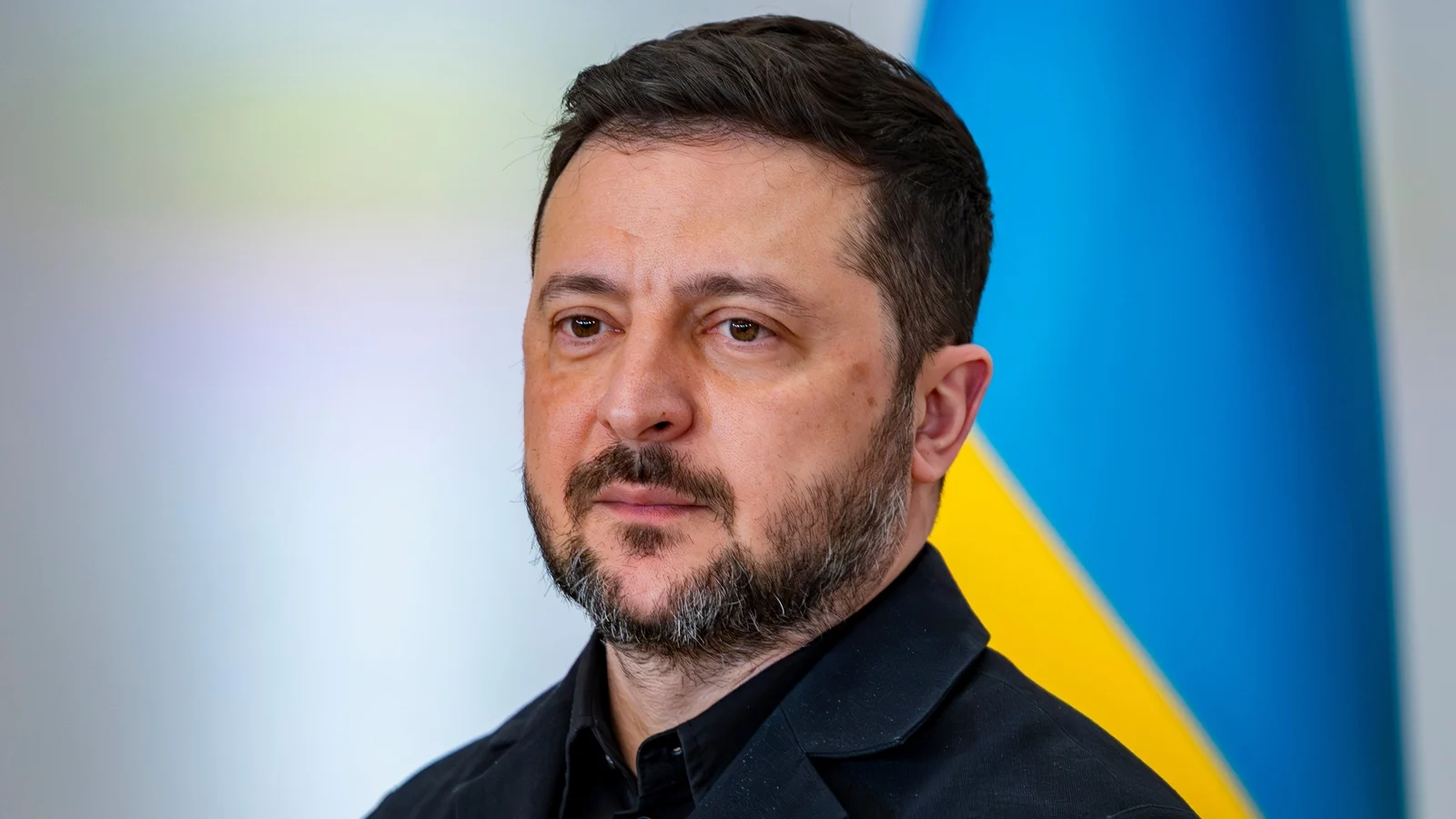
On a raw, gray morning that might have been lifted from any conflict-weary capital, Ukrainian President Volodymyr Zelensky stepped in front of reporters and offered a proposal that sounded almost shockingly pragmatic: stop striking energy facilities, and Ukraine will do the same. It was a plea shaped by strategy as much as compassion—aimed not only at keeping lights on in his own country but at soothing tremors in global energy markets already jittery from months of war.
“If Moscow truly wants to protect civilians and stabilise markets, they know where to start,” Zelensky said, a line delivered with the deliberate cadence of a leader juggling public opinion, wartime calculus and international diplomacy. “We are prepared to reciprocate. We will not target their energy sector if they stop targeting ours.”
Why energy sites matter beyond borders
Energy infrastructure—pipelines, refineries, power plants—is not merely strategic in the old military sense. It is the scaffolding of daily life, of hospitals, transport and commerce. When electricity or fuel stops flowing, the pain radiates quickly: factories idle, hospitals ration, food spoils, and markets stutter. Analysts routinely warn that strikes against these nodes can ripple through global oil and gas prices, prompting unpredictable volatility in markets that serve a global population that consumes around 100 million barrels of oil a day.
“Attacks on energy infrastructure are not just tactical; they’re economic shockwaves,” said Elena Markovic, an energy policy analyst based in Vienna. “Even the threat of disruption raises insurance costs, pushes traders to hoard risk premia, and can quickly hike prices at the pump in distant cities.”
Zelensky’s proposal, then, can be read in two lights: humanitarian and geopolitical. One reduces immediate harm to civilians and critical services. The other aims to limit the diplomatic fallout that arises when oil markets wobble—because volatility there seldom stays local.
Russia’s Response—or Lack of One
From the Kremlin came a hands-off tone. Dmitry Peskov, the spokesman who often shapes Moscow’s messaging, told reporters that a new round of mobilization was “not on the agenda.” In the choreography of wartime communications, that silence can be meaningful: a denial of escalation, an attempt to project normality, or simply a refusal to entertain Zelensky’s olive branch in public.
There was no immediate sign of Russia accepting the energy-sector truce. Instead, Russian state media later reported battlefield gains in eastern Ukraine—claims that Western monitors could not independently verify. On the same day, tensions with Britain flared anew: Moscow expelled a British diplomat, accusing him of espionage activities. The diplomat was named by Russian authorities as Albertus Gerhardus Janse van Rensburg.
“We cannot tolerate actions that put our people or our institutions at risk,” said a UK Foreign Office spokesperson, calling the accusation “completely unacceptable” and warning that Britain would defend its staff and their families. The episode read like a Cold War riff: tit-for-tat expulsions, warnings against contact with foreign diplomats, a tightening of bilateral space.
Diplomacy under pressure
Small diplomatic skirmishes like these reverberate in ways the public rarely sees. Embassies operate as lifelines for citizens abroad, hubs for visas, culture, emergency assistance. When nations signal that lines of contact are hostile, the cost is often borne by ordinary people—expats, travelers, families seeking consular help.
“I was born in this city and I’ve lived through curfews and shortages, but when embassies get pulled into this kind of theatre, it feels personal,” said Oksana Holub, who runs a small café in Kyiv. “My cousin in London calls and asks if it’s safe to visit. Trust frays.”
Collateral Incidents: Drones, Finland, and the Fog of Electronic Warfare
Adding to the mess was a quieter but no less consequential episode: two drones that crashed in Finland over the weekend. Kyiv quickly apologised, saying the unmanned vehicles were likely diverted by Russian electronic warfare systems and that there had been no intent to violate Finnish airspace.
“We regret the incident and have communicated directly with Finnish authorities,” said Georgiy Tykhy, a spokesman for Ukraine’s Foreign Ministry, in a statement that sought to tamp down fears of escalation. “These systems are highly complex; if they were manipulated, responsibility lies with those who deploy electronic countermeasures.”
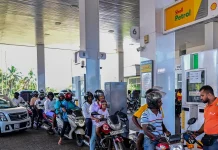
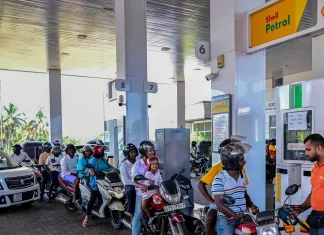
Finland—now a member of NATO and sensitive to incursions since the war’s wider regional impact—was cautious but measured in its response, calling for thorough investigation while acknowledging Kyiv’s apology. In border regions the episode sparked unease. At a petrol station in the Finnish town of Tornio, a local shopkeeper summed up the mood: “We don’t want to be part of a wider war. We want to live, sell sausages and drink coffee,” he said with a rueful smile.
What’s at Stake: Local Lives, Global Markets
When leaders negotiate about whether to spare gas pumps or refineries, they are bargaining over more than energy. They’re bargaining over hospitals’ backup generators, school heating bills for the winter, the livelihoods of truck drivers and factory workers—and over how the world manages risk when geopolitical shocks pile on economic fragility.
Consider these threads:
-
Global oil consumption hovers near 100 million barrels per day; even small supply shocks can trigger outsized price movements.
-
European countries radically reduced their direct dependency on Russian gas after 2022, but energy networks remain interconnected, and indirect effects persist.
-
Electronic warfare and drone incidents are a new, destabilising layer—machines hijacked in flight can produce mistakes that spiral beyond anyone’s control.
The human dimension
“People don’t care about barrels or megawatts when their child’s oxygen concentrator loses power,” said Dr. Amir Yusuf, a physician volunteering in a Ukrainian regional hospital. “So when leaders haggle over whether to spare energy assets, they are also deciding if hospitals can keep running.”
That moral arithmetic—balancing military objectives against civilian harm—is what breathes urgency into Zelensky’s offer. It is also why the world watches with a blend of hope and scepticism: hope that a pragmatic pause could protect civilians and markets; scepticism because past pauses have been fragile, temporary and easily broken.
A Global Question: Can Warfare and Infrastructure Be Decoupled?
Ask yourself: is it realistic to imagine a conflict where infrastructure is off-limits? Theoretically, yes. Practically, history and contemporary warfare suggest otherwise. Energy systems are both tools and targets. But if diplomacy can embed stronger rules—if third-party monitors, clear verification, and consequences for violations can be designed—then there is potential to reduce the human cost without indemnifying military aggression.
“International norms evolve,” Elena Markovic said. “It used to be that chemical weapons were a battlefield reality for much of history. Now there are clearer lines. We could be at the start of a similar conversation for energy infrastructure.”
Where This Leaves Us
Zelensky’s proposal is striking because it is simple and because it reaches across the battlefield with an offer that, if accepted, would provide immediate relief to civilians and a calming signal to markets. But the fog of war, the politics of pride, and the cascade of retaliatory diplomacy make the path to such an agreement perilous and uncertain.
As readers around the world sip their coffee, fill up at the pump, or flip switches at home, the drift of this conflict will touch them in small, practical ways even if they live thousands of kilometers away. The question before leaders is stark: can they find the pragmatic mechanisms to protect the lifelines that bind us all together, even amid hostility?
It is a challenge that tests not just military strategy but imagination, restraint, and a very human sense of proportionality. Are we willing to protect the lights that keep children reading, hospitals breathing, and economies humming—even while war is waged?