When Diplomats Fly Between Palm Trees and Black Sea Storms: Can the U.S. Pull a War to the Table?
There is an odd choreography playing out this week: diplomats, envoys and negotiators flying from the palm-lined runways of Miami to the battered port towns of southern Ukraine, carrying the same urgent message in different accents — can someone, anyone, convince Moscow to stop?
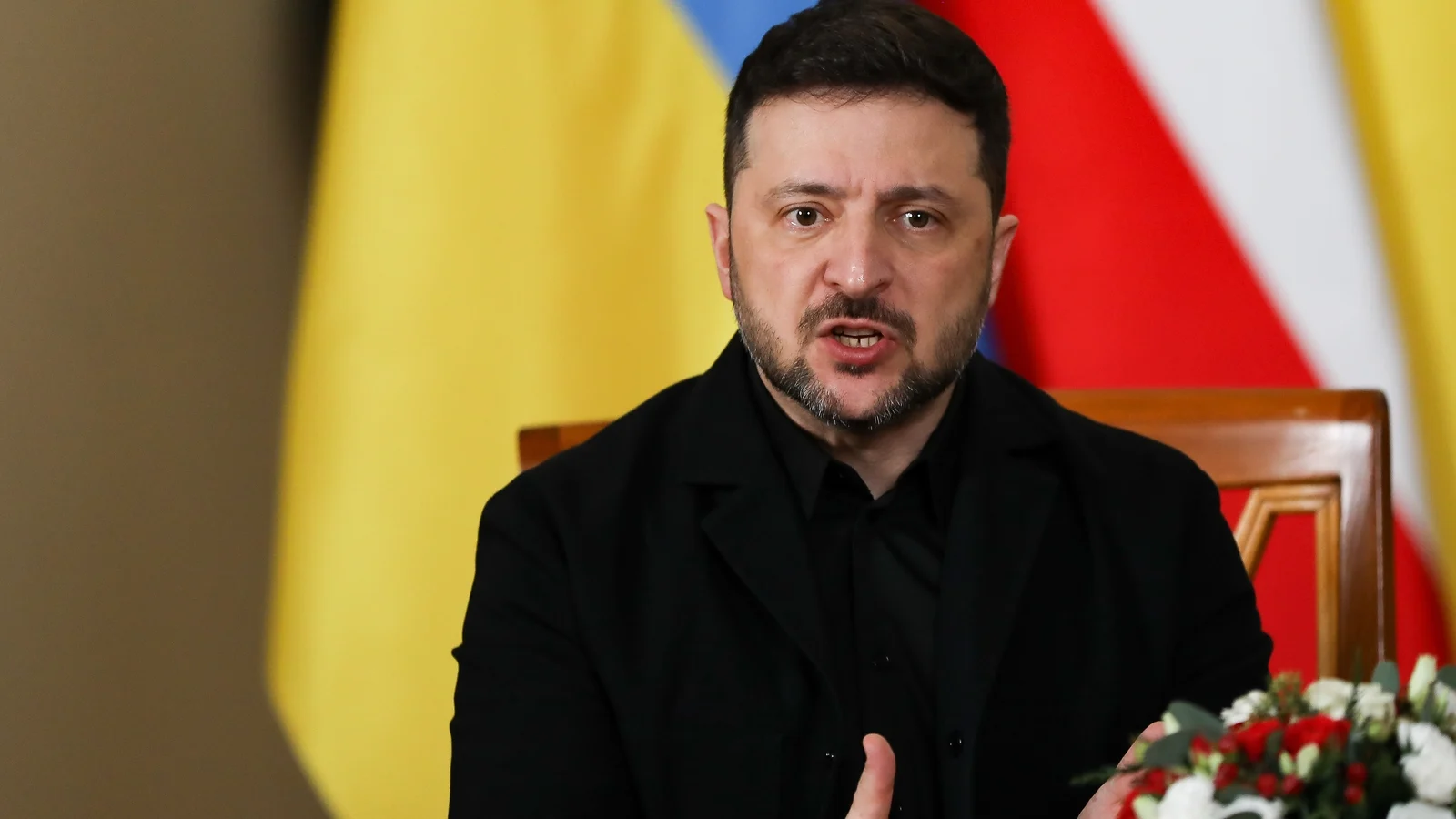
“I believe that such strength exists in the United States and in President Donald Trump,” Ukraine’s Volodymyr Zelensky told reporters in Kyiv, his voice firm against a backdrop of sirens and winter cold. “We should not be looking for alternatives to the United States.”
It is a striking line — not merely a plea for American muscle, but a political wager. In Miami this week, U.S. officials opened a possible new format: a meeting that could include Ukraine, Russia, the United States, and perhaps European envoys. The idea is simple and audacious: reintroduce direct contact into a conflict that has been marked by fights in the sky, strikes on ports, and months of diplomatic deadlock.
Shuttle diplomacy, returned
Shuttle diplomacy has been the quiet engine of recent talks — back-and-forth, corridor conversations, and the occasional face-to-face. Kyiv and Moscow have not sat across a table since July, but U.S.-backed initiatives have been intensifying. Ukrainian negotiators resumed bilateral contact with American counterparts this week, and officials in Kyiv say they will only commit to a format once those initial conversations show promise.
“We want to be sure that any format brings tangible results,” Rustem Umerov, head of Ukraine’s delegation, told reporters after a round of talks. “That means clear mechanisms to stop strikes, to secure civilian infrastructure, and to restore exports.”
A U.S. diplomat, speaking on background ahead of the Florida meetings, framed the approach bluntly: “You don’t get peace with smoke and mirrors. It takes leverage, credibility, and parties who can actually deliver.”
Odesa’s black sea of oil: how the conflict bites into global food and fuel
While envoys swap papers and promises on U.S. soil, the front line is at sea and on the docks. Russia intensified strikes on the Odesa region, once the open face of Ukraine to the world. This week, artillery and missiles struck storage facilities at the Pivdennyi (Yuzhnyi) port — including what the Allseeds Black Sea terminal calls “Ukraine’s largest vegetable oil terminal.”
“Early Saturday, a bombardment hit our terminal,” Cornelis Vrins, director of trade at Allseeds, said. “One employee was killed and two were wounded. Thousands of tonnes of sunflower oil were destroyed. It is the worst damage we have seen since the start of the war.”
Sunflower oil is not just a commodity; for many nations it is a staple. Ukraine is one of the world’s leading producers and exporters of sunflower oil, historically accounting for a very large share of global shipments — estimated in some years at around 40–50% of exports. Attacks on terminals and ports ripple outward, raising prices, disrupting supply chains, and squeezing state revenues that pay for defenses, pensions and heat.
“When a silo burns, it’s not just oil that is lost,” said Olena Kovalenko, a grain trader in Odesa. “It’s livelihoods, it’s the money that feeds municipalities, it’s the fuel for the next planting season. We feel the impact in the fields long after the smoke clears.”
Human evenings, cold and fragile
Residents of coastal towns have been living through a winter of rolling blackouts. Bridges and infrastructure were hit in recent weeks, and thousands of households were left without reliable heating as temperatures slipped. “We had to boil water on the stove to keep the children warm,” said a pensioner in the outskirts of Odesa who asked to be identified only as Halyna. “There is fear, yes, but also a strange stubbornness. You learn to manage. You make soup for neighbors. We survive.”
From shadow fleets to neutral seas: the widening theatre
At the center of recent escalation is a cat-and-mouse game on the high seas. Kyiv has publicly claimed strikes on vessels it labels part of Russia’s “shadow fleet” — tankers and freighters that have been used to evade sanctions and move crude. This week Ukraine said it hit another such tanker in the neutral waters of the Mediterranean — marking a troubling extension of the maritime conflict far from the Black Sea coast.
Moscow has responded in kind with threats to broaden its strikes on Ukrainian ports. “If they continue targeting tankers, we will expand our strikes,” President Vladimir Putin warned this month, according to Kremlin statements. The result is a dangerous spiral: attacks on shipping, which prompt wider retaliation, which in turn threatens global food and fuel markets.
“This isn’t just about two countries,” said Dr. Marco Santini, an analyst of maritime security. “When ports are disrupted, the effects are immediate across supply chains. Refiners, food processors, and consumers in North Africa, South Asia and Europe feel it. Shipping reroutes, insurance premiums spike, and prices climb. We are watching a conflict reach into the everyday shopping basket.”
What’s at stake — and why the U.S. matters
Zelensky’s appeal to the United States is rooted in both power and perception. Washington still holds significant diplomatic and economic leverage with Moscow, and it remains a primary security backstop for Kyiv. But there is also an element of optics: for the Ukrainian president to name a single actor is to put a spotlight on where he believes meaningful pressure — and potential guarantees — might come from.
“The U.S. has unique capacity to convene and to threaten both carrots and sticks,” said Ambassador Maria Thompson, a veteran negotiator who has worked conflicts from the Balkans to the Middle East. “Whether it’s sanctions, access to finance, or naval presence, Washington’s toolkit is deeper than most. But leverage only works if it is wielded carefully and in coordination with other partners.”
And coordination is the friction point. Zelensky suggested Europe could join if U.S.-Russia talks reopen, but Europe’s degrees of distance, historical ties and domestic politics make unanimity rare. Each country reads the costs and benefits of pressuring Moscow differently — and each worries about the consequences if sanctions or concessions fail to change behavior.
Beyond the headlines: questions to sit with
What does peace look like when cities have been bombed and seaborne supply lines severed? Can a meeting around a table — or a set of back-to-back sessions in Miami — halt strikes that are part military tactic, part economic warfare?
Maybe the better question is this: who will be at the table, and who will stand outside wondering whether their voices were counted? The farmers whose oil stores burn, the dockworkers who pick through rubble, the children shivering in dark apartments — their stories demand more than posturing.
“Diplomacy without guarantees is a photograph of peace,” a local teacher in Odesa said quietly, “but people need firewood, money for electricity, and a future for their children. That is real peace.”
Where do we go from here?
The next days in Florida and Kyiv will matter. Negotiators will test whether the United States can be the fulcrum that both sides pivot toward — that seems to be Zelensky’s hope. For the world, the stakes are large: food security, maritime law, and the precedent set when ports and civilian infrastructure are treated as legitimate targets.
So watch closely. Ask questions. Demand clarity about guarantees, humanitarian corridors, and the mechanics of any ceasefire. And remember the people behind the headlines: their oil silos and broken lives are the true cost of what this conflict has become.
“We are not just statistics on a map,” a volunteer in Odesa said. “We are mothers, fathers, cooks, and teachers. If the world wants peace, it must be detailed, practical, and immediate.”