On the Edge of a Deal: Abu Dhabi Talks, Cold Cities, and the Human Cost of a War That Won’t Quit
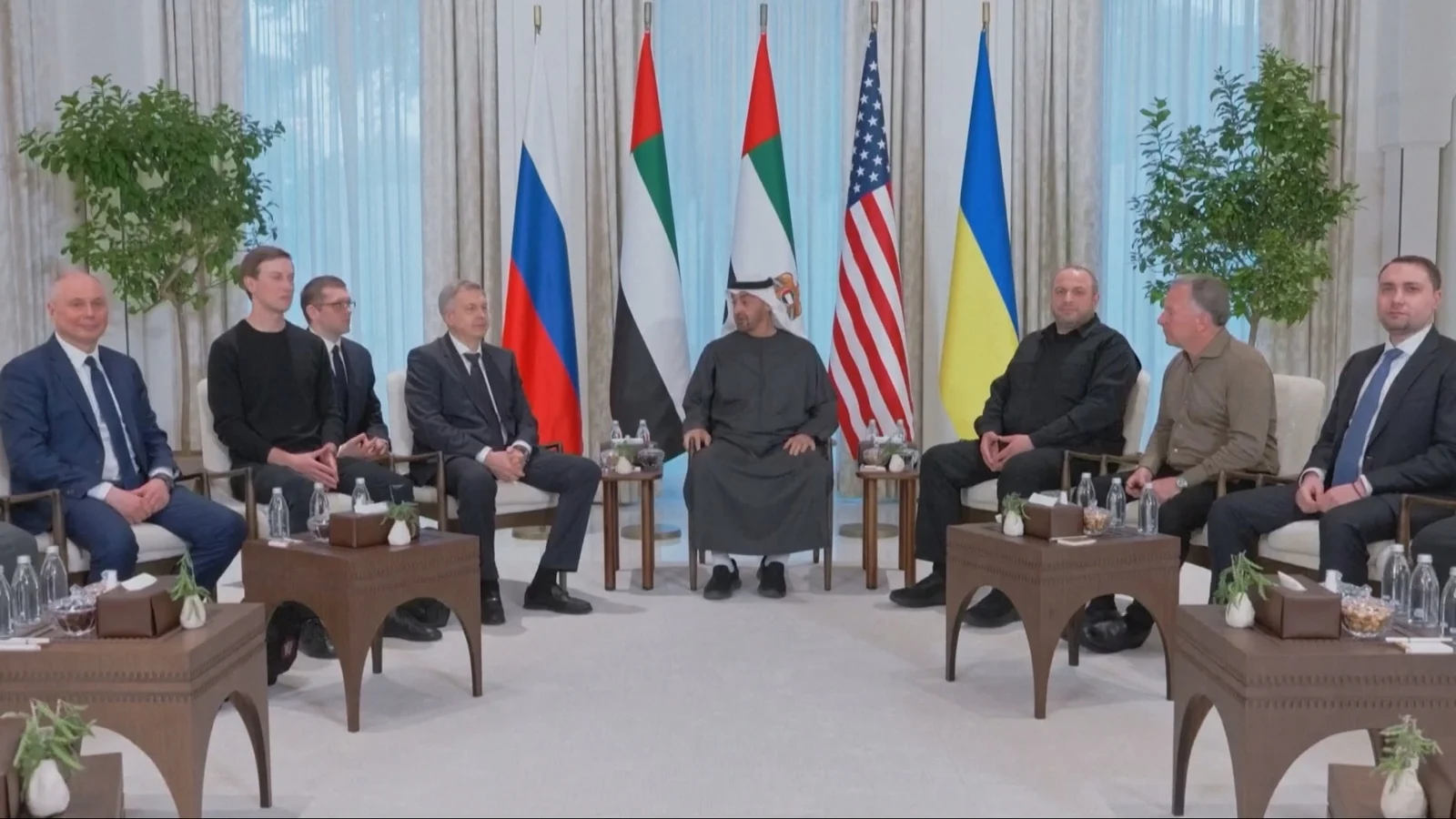
Late January in Abu Dhabi felt, for a few days, like a pause in a narrative that has otherwise galloped from one tragedy to the next. In a glass-and-steel conference room, diplomats and military aides from Ukraine, Russia and the United States sat across from one another and sketched the contours of a possible peace that has eluded Europe for years.
The conversations were described by some participants as “constructive.” Delegates compared notes, military representatives tallied the sticking points, and an Emirati host cast the encounter as an effort to iron out the “outstanding elements” of a US-backed framework. For a fleeting moment, the machinery of diplomacy hummed: paper, posture, and the cautious theatre of compromise.
What was on the table
At the center of every exchange was the same, immovable object — territory. The fate of the Donbas, a swath of eastern Ukraine that has been a battlefield and a political fulcrum since 2014, remains the most combustible issue. Russia says it wants Ukrainian forces to leave; Kyiv refuses to cede ground it still controls, roughly one-fifth of the region. Across these positions sits the unspoken calculus of national pride, security guarantees, and millions of lives already upended.
“We came to test whether a real pathway exists,” said a Western diplomat who witnessed parts of the talks and requested anonymity to speak freely. “The military teams mapped practical problems — troop positioning, withdrawal timelines, verification mechanisms. That’s the first honest step; the second is whether political leaders can stomach the compromises those measures imply.”
Back in Ukraine: Streets Without Heat
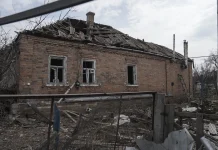
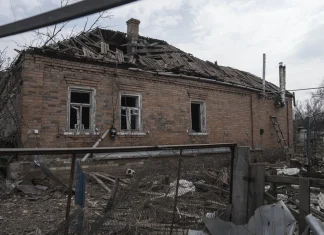
Meanwhile, thousands of kilometers away, the consequences of the war were not theoretical. In Kyiv, temperatures dropped below freezing, and whole neighborhoods felt the sudden, aching absence of heat. Russian strikes on energy infrastructure left block after block with cold pipes and shivering families. Social media filled with grainy videos of apartments lit by candles, of children wrapped in coats indoors, and of volunteers ferrying hot tea to high-rise stairwells.
“You can survive the shells,” said Olena, a schoolteacher who spent the night in a neighbor’s living room, her voice a mixture of fatigue and wry defiance. “But the lack of warmth — that changes everything. It makes the winter feel like another enemy.”
The European Union, which has sent hundreds of generators to parts of Ukraine, accused Moscow of deliberately targeting civilian heating infrastructure — a tactic that officials say compounds humanitarian distress during the harshest months. Overnight strikes also claimed lives in Kyiv and in the northeastern city of Kharkiv, leaving one dead and more than twenty injured, authorities said.
Human improvisation
In neighborhoods around Khreshchatyk, residents improvised. Community centers and metro stations turned into warming hubs. Local cafes served free soup and bread. Volunteers — young and old — moved like an ad-hoc relief corps, carrying heavy jerrycans from generators to apartment basements and wiring together heaters like those grim, necessary puzzles that keep life going.
“We’re not waiting for the world to fix it for us,” said Maksym, a 29-year-old electrician who volunteered after work. “You learn to make do. You get a generator working for an entire building. You light a stove. You teach the neighbors how to keep the pipes from freezing.”
Diplomacy and the Theatre of Global Players
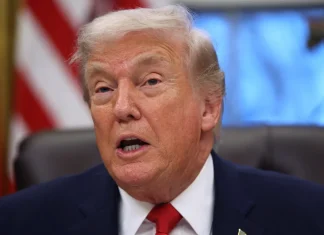
The Abu Dhabi meeting was not an isolated event. It threaded into a broader, accelerated diplomacy. Leaders crossed paths in Davos, where Ukrainian President Volodymyr Zelensky and former US President Donald Trump shared a public handshake and a private conversation. Envoys crisscrossed capitals. Steve Witkoff — a business figure thrust into the role of emissary — met Russian President Vladimir Putin inside the Kremlin. The optics suggested momentum; the content, less certain.
“There’s a difference between talking and negotiating,” said Dr. Livia Hartmann, a scholar of conflict resolution. “Talks can be helpful in clarifying red lines and confidence-building. Negotiations require trade-offs, third-party verification, and a believable enforcement mechanism. We are not yet past the talking stage.”
Ukrainian negotiators said the discussions in Abu Dhabi mapped “parameters” for ending the war and suggested there might be further rounds of talks soon. The Kremlin, for its part, reiterated its demand that Ukrainian forces withdraw from Donbas. “This is not a simple adjunct to negotiation; it’s the core,” said a Kremlin-affiliated spokesperson who spoke on condition of anonymity. “Until that demand is met, Russia says it will pursue its objectives militarily.”
The problem with drafts
Even when frameworks are drafted, they rarely satisfy everyone. An early US proposal was criticised in Kyiv and parts of Europe for appearing to align too closely with Russian demands. Later versions drew fire from Moscow for suggesting European peacekeepers — a concept Russia has long viewed with suspicion. Each iteration reveals fractures: between allies, within publics, and between the urgent human need to stop the killing and the political reluctance to make concessions.
Lives in the Balance
These high-stakes arrangements are not abstract. More than a million people remain displaced within Ukraine; millions more have fled abroad. Estimates of lives lost vary, but most assessments point to tens of thousands killed and infrastructure devastated. Hospitals, schools, and apartment blocks in the east and south bear the scars of bombardment; agricultural land has been abandoned or mined; economies have contracted and rebuilt in fits and starts.
“When you sit at a negotiation table you must keep these faces in your head,” said Anatoliy, a volunteer with an aid organization who lost his sister in a shelling last spring. “You can’t treat the map as only lines and dots. Those are homes. Those are graves. That should change how leaders talk.”
What the world watches
Europe watches with a mixture of sorrow and strategic anxiety. Energy security, grain shipments, and the flow of refugees are not mere footnotes; they are central to how nations calibrate their responses. For the United States and its allies, the dilemma is classic: how to push for an end to hostilities without underwriting a settlement that rewards aggression.
“Some outcomes might look like a ceasefire but entrench the very injustices that sparked the conflict,” Dr. Hartmann warned. “We need a settlement that is durable — one that addresses political grievances, ensures security, and provides accountability.”
Waiting, Warming, Hoping
On the cold streets of Kyiv, people mound up blankets and share pots of soup. In Abu Dhabi, negotiators fold maps and make lists. In Moscow and Washington, officials posture and puzzle. For most of the continent, the question is painfully simple: can these talks move beyond process to produce a settlement that sticks?
When you imagine the end of this war, what do you see — a map redrawn, a fragile ceasefire, a long-term peace process, or something worse? The answer will determine the winter to come for millions.
“We want the guns to fall silent,” Olena said, looking out at the pale Kyiv morning. “But silence without dignity is not peace.”