A Hot Tank, A Sleeping Suburb, and an Evacuation: Inside Garden Grove’s Chemical Scare
There was an ordinary hum to Garden Grove the morning the tank started to betray itself — the clack of commuter traffic, the scent of coffee from strip-mall cafés, the laughter of kids waiting for the school bus. Then the sirens cut through, the neighborhood’s rhythm stuttered, and an industrial whisper became a tangible threat: a storage tank holding a volatile industrial monomer was warming up and leaking into the air.
By dusk, nearly 40,000 people had been told to leave their homes. Streets that usually host weekend farmers’ markets and late-night pho joints were lined with cars and dogs and the kind of anxiety that comes from an invisible danger. “I grabbed the birth certificates, my grandmother’s jade necklace and the cat,” said Maria Tran, who lives two blocks from the facility. “We drove out in our pajamas. It felt like the house might just… go.”
What’s in the Tank and Why It Matters
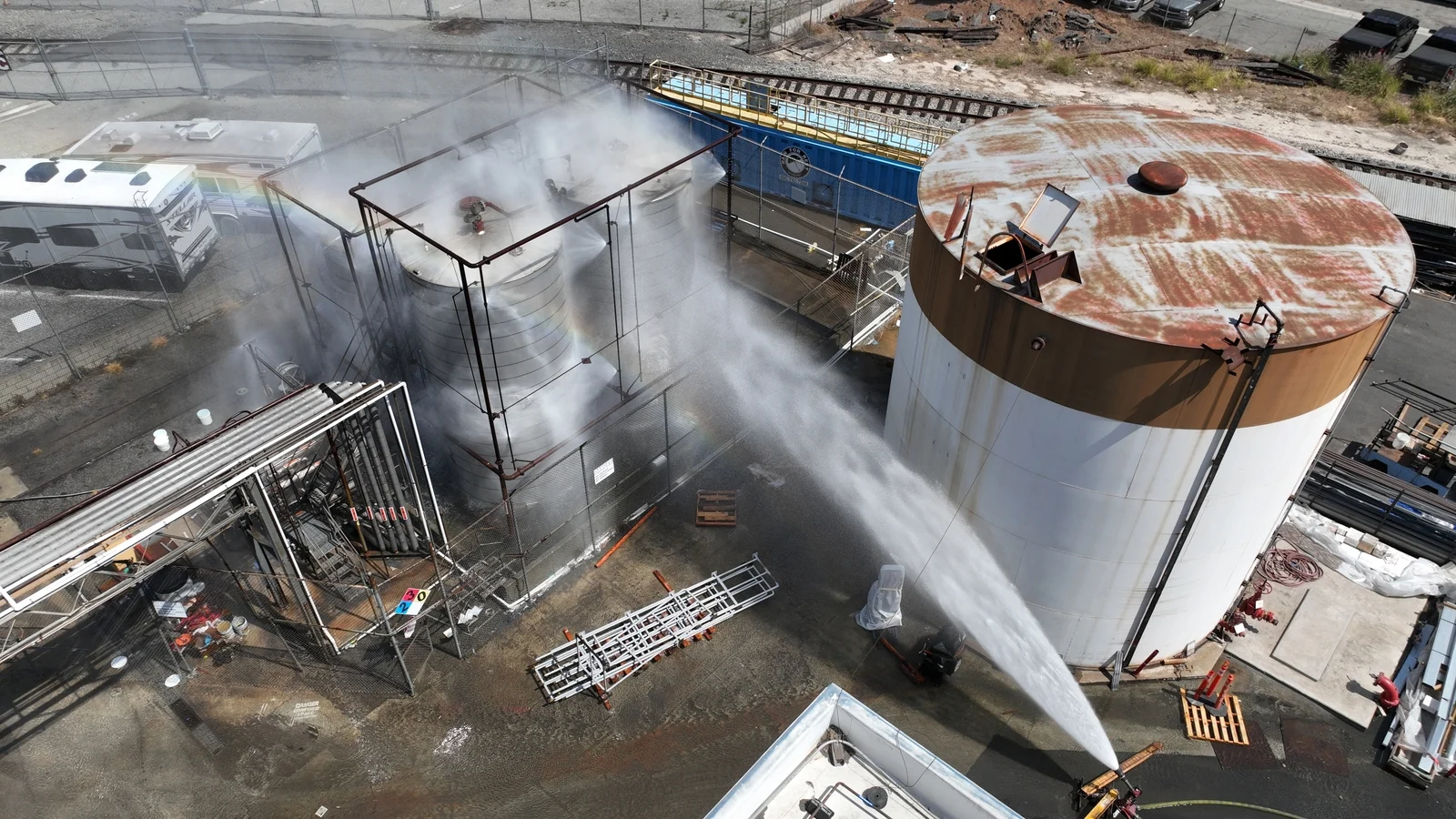
At the center of the crisis is methyl methacrylate (MMA), a clear, flammable liquid widely used in the manufacture of plastics, resins and adhesives. The tank at the site holds roughly 26,000 liters of MMA — about 7,000 gallons — while a neighboring tank capable of holding as much as 15,000 gallons now looms as a potential second catastrophe if things go wrong.
“Methyl methacrylate vapor is heavier than air and can be an irritant to the eyes, nose and throat,” explained Dr. Maya Patel, an industrial toxicologist who has worked with emergency response teams in chemical incidents. “Acute exposures can cause headaches, dizziness and even neurological symptoms in some cases, which is why rapid evacuation is prudent when you can’t immediately control a leak.”
Federal guidance from the U.S. Environmental Protection Agency underscores those concerns: MMA can irritate the skin and eyes, has potential respiratory effects from short-term inhalation, and nervous system impacts have been documented following significant exposure.
Temperatures Rising, Clock Ticking
Firefighters who risked venturing close to the tanks reported worrying readings. The temperature gauge on the active tank climbed from 77°F when crews first fell back to about 90°F during a later check — an increase of roughly a degree an hour. For operations that rely on controlling vapor pressure and avoiding ignition sources, that steady rise was bad news.
“We can’t just let a tank fail in a populated area,” said Orange County Fire Authority Incident Commander Craig Covey. “If that thing goes, the consequences for nearby homes and businesses — and our environment — could be catastrophic. Our job is to buy time and options so we don’t have to accept that outcome.”
Crews have been spraying jets of water at the tank in a bid to cool its shell and suppress vapor formation. Aerial footage showed columns of water arcing into the air, firefighters working from armored rigs, and a choreography of hoses and pumps aimed at preventing a rupture.
Containment and Environmental Concerns
Responders are not only fighting heat and vapors; they’re racing to stop any spilled MMA from reaching storm drains and the network of channels that carry runoff toward the Pacific. Crew members were putting containment berms and absorbent barriers in place, mindful that a chemical plume or surface runoff could become an ecological problem well beyond the immediate neighborhood.
“We’re thinking two steps ahead — if it spills, where does it go? If it ignites, where will the smoke travel?” said Regina Chinsio Kwong, Orange County Health Officer. “That’s why the exclusion zone is large and why we’ve asked people to stay away until we can be certain the area is safe.”
People First: Evacuations, Community Response, and the Unsung Heroes
Evacuation orders moved quickly and, by most accounts, were followed. Shelters opened at community centers, churches offered space to pets and families, and volunteers handed out bottled water and warm blankets. “Neighbors who normally just wave in the street were loading coolers into cars and checking on elderly folks,” said Hector Alvarez, a volunteer at an evacuation center. “You saw the best of the community under pressure.”
There have been no reported injuries so far, and officials emphasize that timely evacuations likely prevented harm. But the emotional toll is real: people who have lived in the area for decades described a new and disorienting relationship with the industrial footprint that sits at the edge of their suburb.
Why These Incidents Keep Happening — and What They Reveal
Incidents like Garden Grove’s are not isolated quibbles with equipment. They reveal broader tensions: aging industrial infrastructure, zoning that puts chemical storage near dense residential areas, and the challenge of regulating materials that are indispensable to modern manufacturing yet dangerous when mishandled.
“There’s an economic logic to keeping supply chains tight and storage accessible,” said Lawrence Kim, a policy analyst who studies urban industrial risks. “But coupled with population growth and rising temperatures, those choices increase public safety risk. We need stronger siting rules, more transparent reporting, and better investment in secondary containment — things that reduce the probability of an event and the scale of its harm.”
Climate change also plays a role. Higher ambient temperatures can increase vapor pressure in tanks and speed chemical reactions. What used to be a rare confluence of factors becomes more likely as heatwaves become more frequent.
What to Watch For Next
In the immediate term, local authorities say their focus remains on cooling the tank, preventing the second tank from becoming a factor, and keeping the exclusion zone secure. Environmental monitoring for air quality will help determine when it’s safe for residents to return.
In a broader sense, communities across the U.S. — and the world — will be watching how regulators and companies learn from this near-disaster. Will there be inspections? Will storage protocols be tightened? Will emergency response lessons be codified into policy?
- What residents need now: follow official evacuation orders, avoid the exclusion zone, and report any symptoms like shortness of breath or dizziness to medical personnel.
- What officials should do next: conduct a full incident investigation, publicly release findings, and pursue any corrective measures to prevent recurrence.
Questions for the Reader
How close is “too close” when industry sits beside homes? Do we accept the risks of modern convenience — plastics, electronics, and medicines that depend on chemicals like MMA — without demanding safer storage and stronger oversight? And what kind of civic conversation do we need about the balance between economic activity and residential safety?
For now, Garden Grove waits. Homes stand with front doors ajar and lights off as the community holds its breath. Fire crews, hazmat technicians and local volunteers have taken the front line. Whether they avert a disaster entirely or simply narrow its scope, their work will shape not only how quickly families return but also how the region thinks about industrial safety going forward.
“We came together,” Maria Tran said, wiping her eyes. “That’s a small comfort. But I want to know how this will be prevented next time — because I don’t want to pack the cat and run again.”