At the Edge of the Strait: A Tentative Deal, Frayed Trust, and a Region Holding Its Breath
The air over the Strait of Hormuz smelled that day—if danger has a scent, it is a mixture of diesel, salt, and tension. For centuries sailors have threaded this narrow choke point on the map like a needle; today the world watches every passing ship as if it carries not just cargo but the fragile promise of peace.
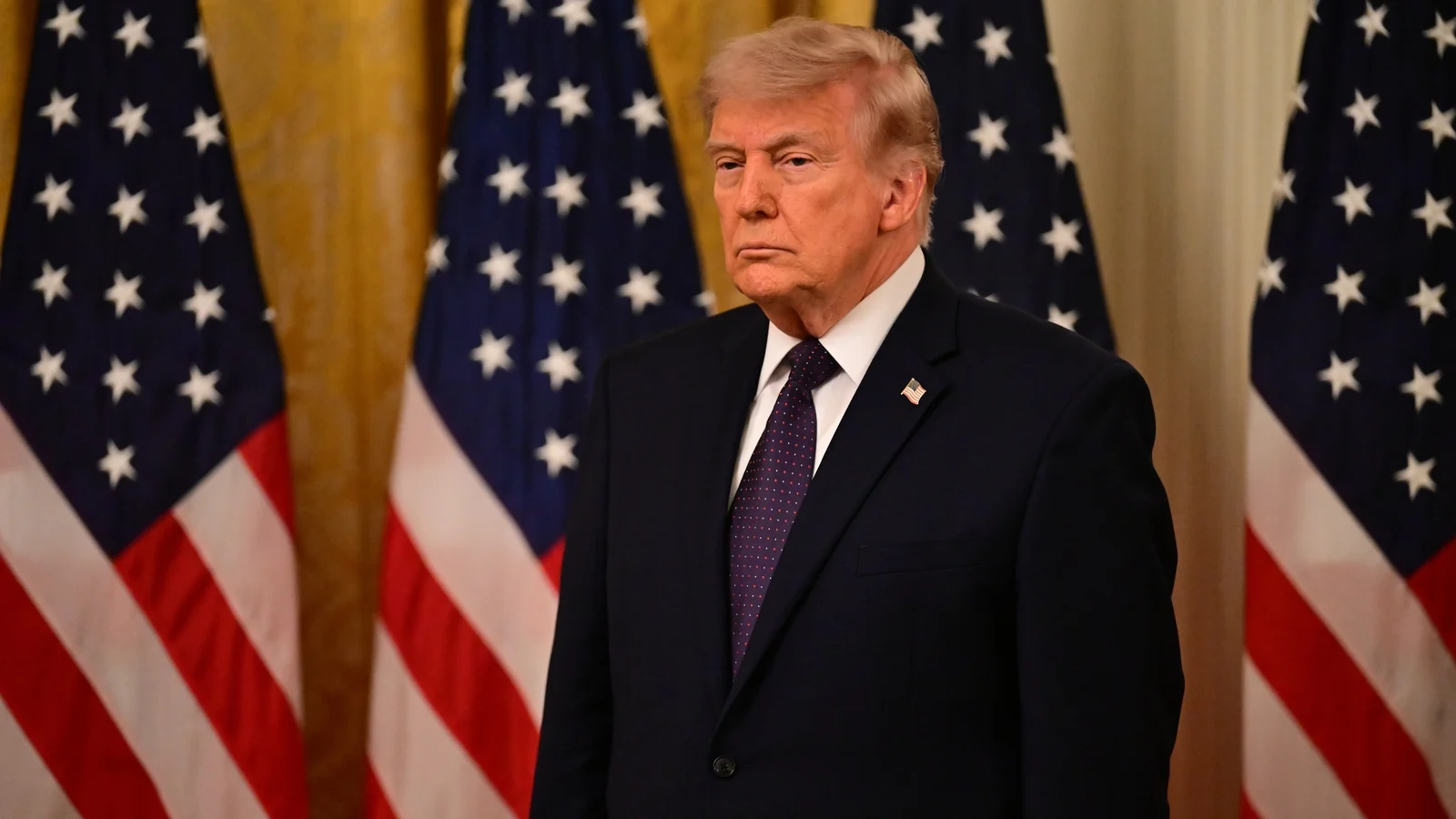
In a surprise social-media post that ricocheted around the globe, U.S. President Donald Trump announced that a memorandum of understanding with Iran had been “largely negotiated” and hinted that the agreement would “open the Strait of Hormuz.” The claim landed like a pebble in a pond: waves of skepticism, relief, and outright disbelief rippled through capitals from Tehran to Tel Aviv, from Islamabad to Washington.
“Final aspects and details of the deal are currently being discussed and will be announced shortly,” Mr. Trump wrote. The brevity of the message did nothing to calm nerves.
What’s on the Table — and What’s Not
Officials and diplomats describe the emerging framework as cautious and incremental—an attempt to translate battlefield pauses into diplomatic steps. Pakistani army chief Asim Munir, who flew to Tehran as a mediator, reportedly left with an air of guarded optimism. A Pakistani security official briefed on the visit described the status as “an MOU being fine-tuned” and said the talks had produced “encouraging progress.”
From what insiders sketch out, the framework might be rolled out in three broad stages:
- Formal cessation of active hostilities;
- Measures to ensure the Strait of Hormuz remains open to international shipping without tolls or seizure;
- A 30-day negotiating window for broader confidence-building and dispute resolution, extendable if parties agree.
“This is an attempt to buy time and reduce immediate danger,” said Dr. Laila Haddad, a Beirut-based analyst who has tracked Gulf security for two decades. “But buying time is only useful if trust is being built during that time, not eroded.”
Why the Strait Matters — Globally
If you have filled your car in the last month, read your electricity bill, or watched energy markets move, you have felt the ripple effects of this narrow waterway. Roughly one-fifth of the world’s seaborne oil passes through the Strait of Hormuz, according to long-standing industry estimates. Any disruption can send crude futures soaring, impact shipping insurance rates, and squeeze economies far beyond the region.
“When tankers slow or detour, the price of everyday life changes,” said Marcus Flynn, a London-based maritime economist. “It’s not dramatic theatre for policymakers only—households, farmers, manufacturers feel it in real time.”
Voices from the Ground
On the Iranian side of the coast, fishermen in Bandar Abbas talk about the sea the way elderly neighbors talk about a shared garden: with affection and wariness. “We’re used to storms,” said Ramin, a 48-year-old who asked that only his first name be used. “But when the navy starts shadowing tankers and drones buzz like flies, it’s different. We worry for our nets and our children.”
In Beirut, the mood is raw. The Lebanese health ministry says more than 3,100 people have died since early March during the recent rounds of fighting—3,123 according to official tallies circulating this week—numbers that linger like open wounds in crowded wards. “We are exhausted,” said Dr. Samar Khalil, an emergency physician in Tyre whose hospital was recently damaged in an overnight strike. “We stitch bodies and stitch hearts. There are only so many ways to say ‘enough’.”
On the Israeli side, policymakers insist any agreement must neutralize threats from Iran-linked proxies. “We will not accept a strategy that leaves Iran’s military-logistical networks intact and Hezbollah armed to the teeth,” an Israeli defense official told a group of visiting journalists. “Security cannot be bartered away.”
Words and Warnings
Iranian leaders, for their part, have set clear red lines: supervision of the strait rather than exclusion from it, an end to what Tehran calls the “blockade” on its ports, and the lifting of sanctions that have strangled Iranian oil sales. “We will pursue our legitimate rights—on the battlefield and at the negotiating table,” Iran’s top negotiator was quoted as saying after meetings with General Munir. Yet he added a line that carries heavy meaning in diplomatic parlance: “We cannot trust a party that has no honesty at all.”
From New Delhi, U.S. Secretary of State Marco Rubio reiterated Washington’s non-negotiables: a nuclear-free Iran, a freely navigable strait, and the surrender of enriched uranium stocks. “Iran can never have a nuclear weapon,” he told reporters. “The straits need to be open without tolls. They need to turn over their enriched uranium.”
Hezbollah, Lebanon, and the Wider Fight
Complicating the picture is Lebanon, where Hezbollah has entrenched itself as both political actor and armed force. The militant group insists Iran will not abandon it, even as diplomatic channels try to loop Lebanon into broader ceasefire discussions. Hezbollah officials say Iranian messages through diplomatic intermediaries emphasize the “demand to include Lebanon” in any comprehensive settlement.
But Lebanese authorities, keen to preserve sovereignty and wary of external influence, insist their talks with Israel—hosted under U.S. auspices—must remain autonomous. Meanwhile, Israel has continued strikes in southern Lebanon, and the Lebanese military says one airstrike wounded a soldier in Nabatieh. The fog of overlapping military actions and sanctions paints a complicated horizon.
Sanctions, Strategy, and the Politics of Patience
Sanctions remain one of the bluntest levers the U.S. wields. In recent days Washington imposed new measures targeting Lebanese officers accused of cooperating with Hezbollah, moves that some analysts say are intended to increase pressure on Iran’s regional network.
“Sanctions are a hammer, not a surgeon’s scalpel,” noted Professor Amir Saeed, an expert in international sanctions regimes. “They can coerce behavior, but they also harden attitudes and feed narratives of victimization.”
What Comes Next?
Are we watching the first tentative steps toward a durable de-escalation, or the nervous mechanics of another temporary pause? That question hangs over every conversation, every naval maneuver, every official communique.
For ordinary people living along the fault lines of this conflict—fishermen in Bandar Abbas, nurses in Tyre, a merchant family in Haifa—the stakes are immediate and intimate. “Peace isn’t a headline,” Ramin the fisherman said. “It’s a school day when your kids can play outside without sirens.”
Global markets watch, diplomats shuttle, and mediators—Pakistan’s chief among them this week—feel the heavy burden of stitching together agreements where trust has frayed. Will this memorandum become a durable patch or a temporary reprieve?
Takeaway
At the heart of this story is a simple yet difficult truth: the famous narrowness of the Strait of Hormuz is only a physical reality. The political, economic, and human connections that run through it are uncommonly broad. Any settlement must not only prevent ships from becoming collateral, but also address sanctions, regional alliances, and the deep mistrust that has long governed Tehran’s relationships.
So I ask you, the reader: what would peace in this region look like to you? Is it possible to imagine security that protects both coastal livelihoods and global supply chains? The answers are not easy, but they are urgently needed.