When Words Hover Like Missiles: Trump’s Stark Warning to Iran and What It Means for a Restive Region
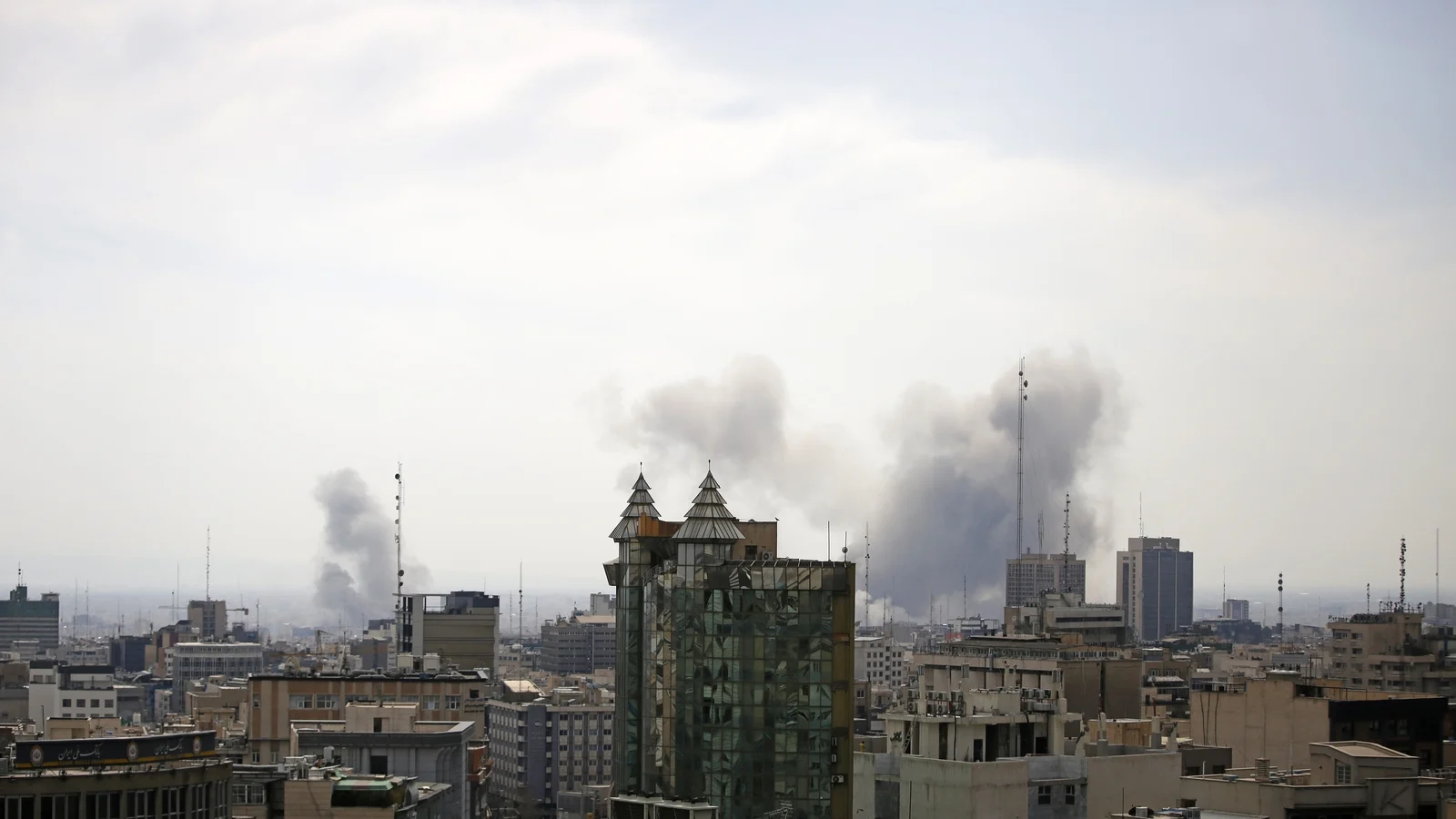
There is a peculiar sound to political threats that travel across continents: a clipped sentence on a screen, amplified by millions, then echoed in alleys, cafes and parliament halls half a world away. “Iran will be hit very hard,” the line cut through the static this week, a terse warning that landed like a pebble thrown into an already turbulent pond.
Whether you cheered, flinched, or turned away from the headlines, the phrase has weight. It’s shorthand for a complicated stew of history, policy, pride and fear that has simmered across the Middle East for decades. And for ordinary people in Tehran, Beirut, Baghdad and Washington, it raises a simple and urgent question: what comes next?
The moment and the music behind it
Threats like this don’t exist in a vacuum. They echo earlier chapters of recent history—the 2018 U.S. withdrawal from the Iran nuclear deal, the escalation cycles of drone strikes and proxy skirmishes, the killing of Iranian General Qassem Soleimani in 2020, and the patchwork of sanctions that have squeezed Iran’s economy for years.
“Words can be the first step toward warming up to war,” said Dr. Leila Mansouri, a Tehran-based scholar who studies regional security. “When a leader uses language designed to terrify or coerce, it reshapes how cities prepare, how markets react, and how diplomats work behind the scenes.”
On the street in northern Tehran, a fruit vendor named Reza wiped his hands on a plastic bag and looked straight into the distance. “We have lived with threats for a long time,” he said. “My mind goes to the children. I worry about electricity, medicine, everything. Every new headline makes the winter feel longer.”
Not just bluster: why the rhetoric matters
Political rhetoric isn’t just about delivering a line for the cameras. It’s a lever. It can sway markets (oil prices are especially sensitive), it can harden alliances, and it can give license to proxy actors who already have a reason—political, ideological or economic—to act. The Middle East is crisscrossed with such actors, from Hezbollah in Lebanon to Houthi rebels in Yemen, all of whom read the same headlines and sometimes take them as cues.
“A statement is an instrument of strategy,” explained Colonel (ret.) Amir Haddad, who now lectures on Gulf security. “It calibrates deterrence and signaling. But it also creates incentives for miscalculation. That’s where the danger lies—an unintended clash between two sides that only wanted to posture.”
People count the costs
Behind the geopolitics are lives and livelihoods. Iran is home to roughly 86 million people; its economy has been battered by sanctions, declining oil revenues and, in recent years, climate stress that affects agriculture. According to World Bank and IMF assessments over the last few years, Iran’s GDP has been volatile, and living standards for many families have stagnated or declined.
“You can measure fear in the items people buy or stop buying,” said Leyla, a pharmacist in Shiraz. “When medicines get pricier or disappear because of banking sanctions and supply-chain friction, fear becomes tangible.”
Across the Gulf, a fisherman in Bandar Abbas told me he checks his nets and then the news. “We are small,” he said. “We fish because the sea gives and takes. But the sea is not the only thing that takes. When politics climbs into our boats, we have to choose whether to go out at all.”
Economic and security tremors
The stakes are global as well. Iran sits at the mouth of the Persian Gulf and near the Strait of Hormuz, a chokepoint through which roughly 20% of the world’s seaborne petroleum passes. Even the threat of conflict there can spike oil prices and unsettle markets from Tokyo to London.
Sanctions are another blunt instrument. Since 2018, unilateral U.S. sanctions have slashed Iran’s crude exports from pre-sanctions peaks—estimates vary, but exports fell from more than 2.5 million barrels per day in earlier years to considerably lower levels under pressure. Those economic shocks filter down to ordinary citizens, who see inflation and shortages in pharmacies and supermarkets.
Voices from the neighborhood
In Beirut, a taxi driver named Samir thumbed his rosary and sighed. “When the big boys shout, we look out the window and we see fathers and sons leaving for work—some of them might not come back. We have memories of bombing runs in the 1980s. We know what that sound means.”
Meanwhile, an aid worker who asked to stay anonymous because of security concerns said bluntly: “The humanitarian footprint of any conflict in this region is huge. We are already stretched thin with displaced people in Syria and Yemen. Open conflict would outstrip our capacity.”
Experts weigh in
Analysts say there are clear risks of escalation, but also reasons for cautious optimism. “Leaders generally understand the costs of full-scale war in the 21st century,” noted Maya Kravitz, an international relations specialist. “Economic interdependencies, global media scrutiny, and perhaps most importantly, the unpredictable nature of conflict—these act as brake pedals.”
Still, she warned, “Societal tensions and domestic politics can push leaders toward starker postures. A short-sighted, emotionally charged declaration can have long-term consequences.”
What should readers take from this?
First, remember that a headline is a headline—but it is rarely the whole story. Second, think about the human dimensions: the farmer in Khuzestan, the mother in Basra, the hospital administrator in Tehran, and the port worker in Dubai—all of whom brace themselves when powerful figures exchange short, sharp sentences.
Finally, ask yourself: how do we collectively prevent rhetoric from becoming reality? How do democratic societies hold leaders accountable for the domestic and international fallout of inflammatory language? These are not small questions. They require policy, diplomacy, and a media conversation that balances urgency with nuance.
Paths forward
Diplomacy remains the necessary tool. Back channels, multilateral fora, and pragmatic engagement on issues such as nuclear verification, maritime security, and humanitarian access are boring, slow, and essential. People I spoke to—from diplomats to shopkeepers—kept returning to the same idea: they wanted predictability. Predictability, even if austere, trumps the anxiety of sudden escalation.
“We want a table where discussions happen, not a battlefield where words turn into weapons,” said a senior diplomat who has spent years courting peace initiatives. “It’s not glamorous, but it saves lives.”
How you can stay informed
- Follow multiple outlets to avoid single-source narratives.
- Look for reporting that includes local voices and context, not only quotations from capitals.
- Support reputable humanitarian organizations on the ground if you want to help people affected by conflict or sanctions.
Closing—an invitation
When politicians issue stern warnings, nations hold their breath. But beyond the headlines are people making breakfast, tending markets, praying, planting and mourning. If nothing else, this moment is a reminder: global politics is not an abstract chessboard. It’s a messy, human place where words can heal—or wound.
So let me ask you: when leaders speak in absolutes, do we have the courage to demand the counterweight of patient diplomacy, or will we be swept by the drama of the moment? The answer matters—not only to capitals—but to the quiet corners of the world where real lives continue, storm or shine.