The Day a Foreign Hand Rewrote Iran’s Script
There are moments in history that feel like the opening scene of a film noir: shadowed figures, false names, hurried envelopes, and a reluctant signature that changes everything. Tehran, August 1953, was one such scene.
At the center of the drama sat Mohammad Mossadegh, a man both adored and contested, who had risen on a promise to reclaim Iran’s oil from foreign control. He had the magnetism of a reformer and the stubbornness of a nationalist. Yet his greatest political moment—the nationalization of the Anglo‑Iranian Oil Company in 1951—also made him the target of forces far beyond Iran’s borders.
Across the city, behind closed doors and in foreign capitals, a different story was taking shape: Operation Ajax, a covert campaign hatched by the CIA and Britain’s MI6 to unseat Mossadegh. It relied on a catalogue of clandestine tools—propaganda, bribed politicians, orchestrated street protests, and inducements to officers in the army. The coup was as much a performance as it was a plot, a carefully stitched illusion of popular outrage.
When the Bazaar Became a Stage
“We used to gossip about it in the tea houses,” recalls Reza, a carpet seller from Tehran who is now in his eighties. “Old men in the bazaar would say, ‘Something smells like oil and money,’ but at the time you could not know the script had been written abroad.”
It’s an image that resonates. The bazaars of Tehran—honeycomb alleys of spices, vendors and politics—were both witness and unwilling actor. Journalists were paid to print lies; clerics were nudged to denounce Mossadegh from the pulpit; and crowds, some genuine, many purchased, marched with portraits of the Shah. The result was a palace decree, signed by a monarch who had been pushed to the edge of indecision.
More Than a Coup: A Legacy That Would Last Decades
The immediate payoff for Western strategists was clear: a restored monarchy that could be relied upon, oil arrangements tilted back toward the West, and the elimination of what Washington had framed—rightly or wrongly—as a Soviet peril in the heart of the Middle East.
But history seldom pays in single installments. The Shah’s return to power ushered in 26 years of increasingly autocratic rule, buoyed by American money, weapons, and intelligence support. SAVAK, the intelligence agency that followed, became synonymous with repression. Students, intellectuals, political opponents—many disappeared into prisons or exile. Political space narrowed while resentment widened. The 1979 revolution, when it came, was as much a verdict on the Shah as it was a response to decades of foreign entanglement.
“People talk about the revolution as if it sprouted from one root,” says Dr. Laleh Nouri, a historian who’s spent years tracing memories of 1953 across family histories and schoolbooks. “But the coup is the root many Iranians return to. It’s taught in living rooms. It’s the lens through which later events are interpreted.”
Memory as Currency
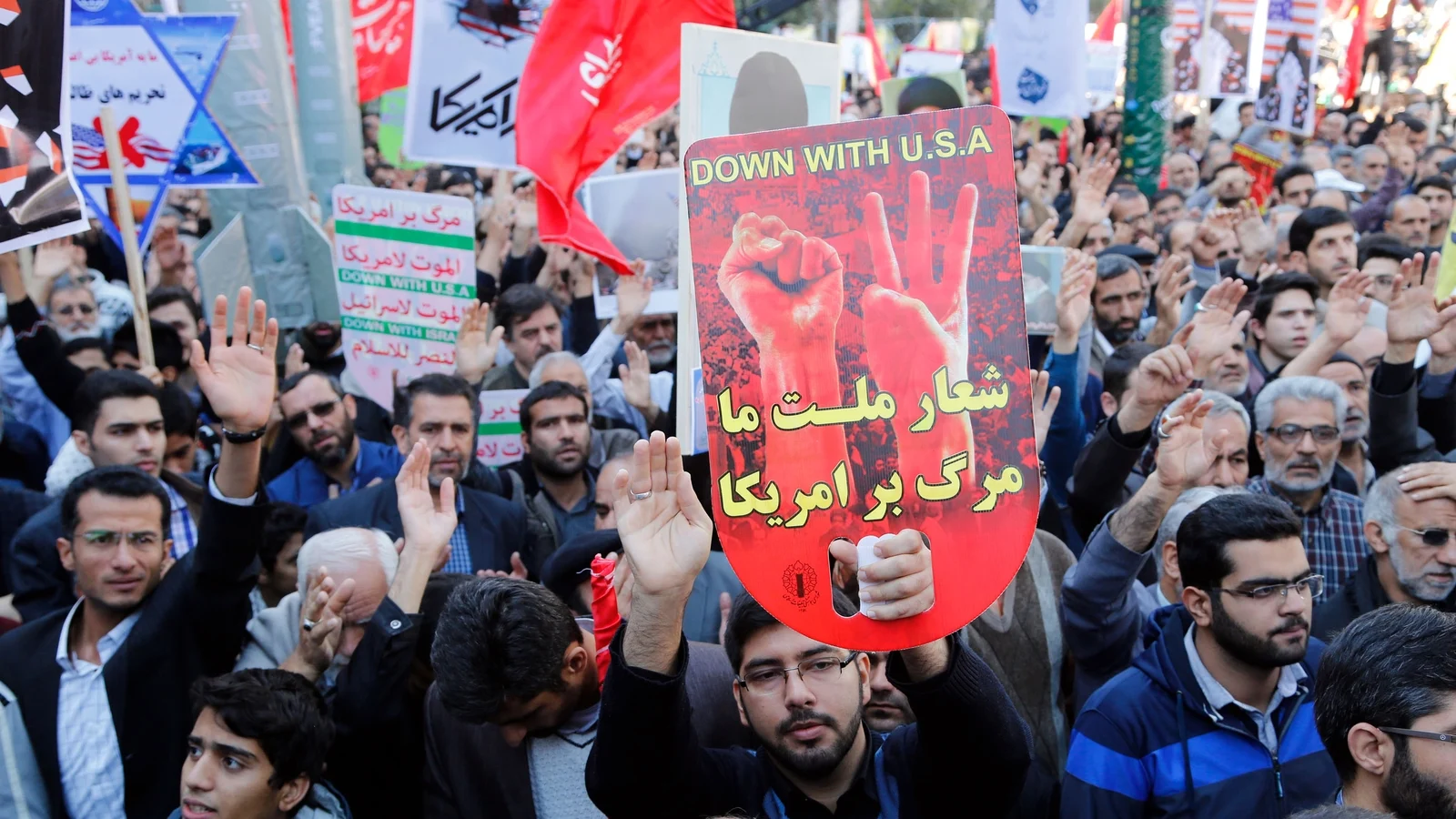
Memory is not abstract; it’s a political currency. For generations, the belief that an outside power had engineered domestic politics shaped how Iranians viewed diplomacy, protest, and sovereignty.
“You cannot imagine the depth of caution,” says a former Western diplomat who worked in Tehran in the 1990s. “When you walk into a negotiation and a counterparty has grown up with a narrative of invasion and subterfuge, you are negotiating not just policy but a century of suspicion.”
That suspicion has global echoes. From Caracas to Kyiv, from Kabul to Baghdad, the legacy of interventions—planned or botched—resonates in local memories and informs geopolitical calculations. The 1953 coup is often cited in diplomatic schools as a case study of short-term tactical success and long-term strategic failure.
Why the Past Still Matters
Ask yourself: what is the cost of removing a leader? Tactical victories can be seductive—swift decapitations, if they occur, promise quick solutions. But Iran’s history is a cautionary tale about the price paid in legitimacy, stability, and human lives when external actors decide outcomes.
Consider two realities: one, that the United States and Britain achieved what they wanted in 1953; and two, that the outcome contributed to a chain of events culminating in the 1979 revolution and the bitter decades that followed. Policy choices have a habit of outliving administrations. They become part of national identity.
Voices from the Ground
“My father told me the day the tanks rolled,” a middle-aged woman named Maryam tells me, her hands folded around a warm cup of tea. “He said he felt like a stranger in his own city. That feeling—of being watched and directed—was passed to me. We still speak about who decides for us.”
An older cleric, who asked not to be named, offers another perspective: “We were courted and paid. It made us easy to shame later. But the real shame is that we did not build institutions that could weather interference.”
Lessons for a Restless World
The lesson is not a single moral but a set of hard truths. Foreign intervention can achieve discrete goals but often at the expense of the very stability it purports to secure. It reshapes political culture, hardens identities, and can produce counter-revolutions of their own.
Today, as leaders debate the merits and limits of interventionism, the story of 1953 should prompt humility. Military might does not translate automatically into political wisdom. Expertise matters—but so does the humility to know that the aftermath of action will be negotiated in living rooms, classrooms, and marketplaces for generations.
- 1951: Mossadegh nationalizes Anglo‑Iranian Oil Company.
- 19 August 1953: Operation Ajax removes Mossadegh from power.
- 1953–1979: Shah’s rule strengthened; SAVAK expands its reach.
- 1979: Iranian Revolution topples the Shah; new regime cites 1953 as a turning point.
So What Now?
We live in an era of instant strikes and instant narratives. Yet if history teaches anything, it is that the instantaneous is rarely the whole story. The reverberations of a covert operation can travel farther than imagination—across decades and borders, altering how entire peoples see the world.
What would a different approach look like? Perhaps it would start with viewing nations not as chess pieces but as societies with histories, grievances, and aspirations. Perhaps it would mean investing in institutions, dialogue, and the slow, often messy work of building trust.
“It is easier to topple a government than to build a polity,” a political scientist I spoke with in London said. “And yet, if we do not commit to the latter, we will always be surprised by the cost.”
In the bazaars and tea houses of Tehran, in university corridors, in the pages of family scrapbooks, the echo of 1953 remains. History is not a museum exhibit; it is a living conversation. If foreign powers insist on taking an active role in rewriting another country’s script, they should be prepared to live with the narrative they create—for decades, perhaps generations.