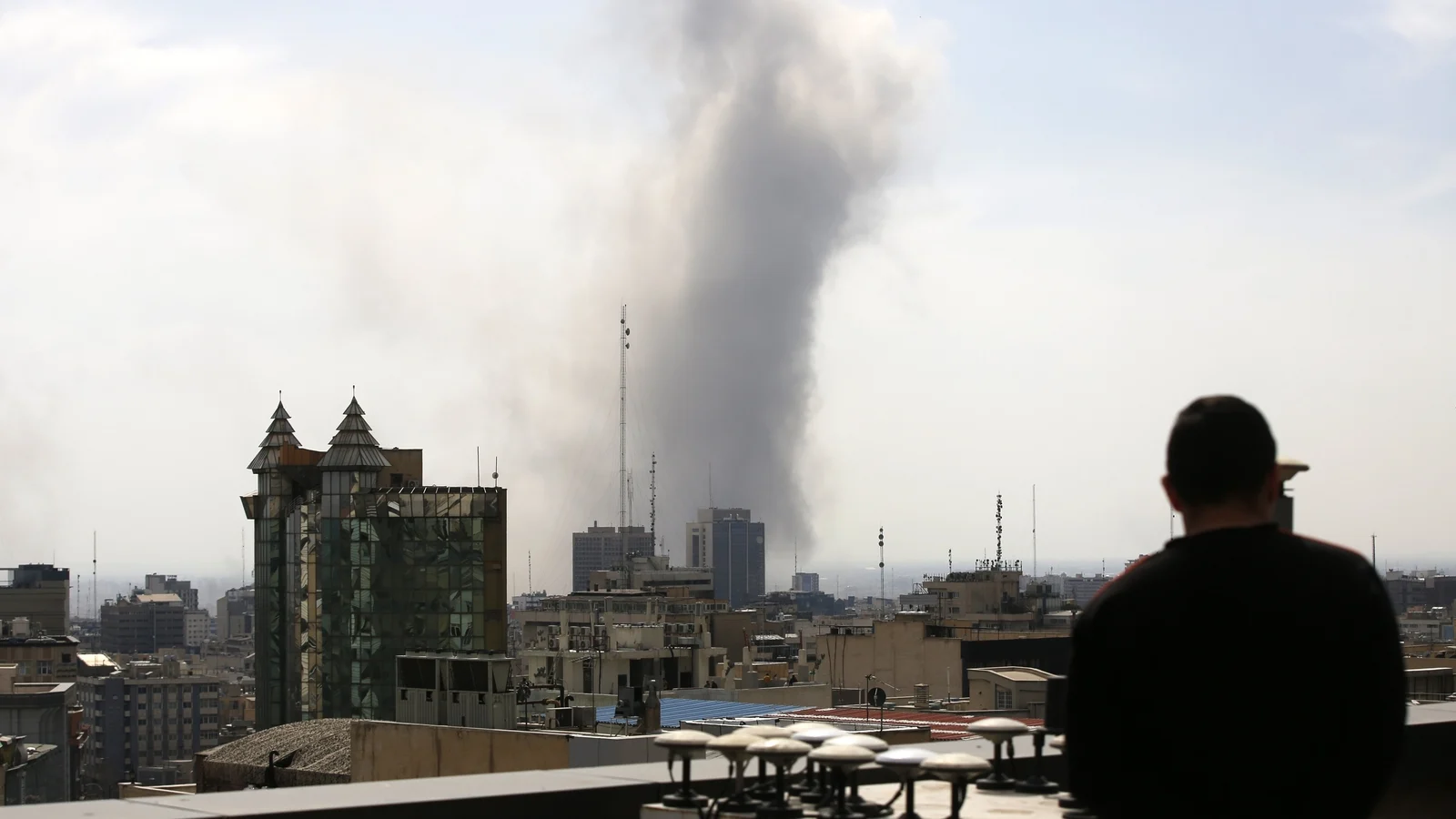
When the Sea Itself Becomes a Target: How Iran Is Turning Global Trade into a Theater of Pressure
The Persian Gulf was calm the morning I arrived, but there was a tautness in the air that no sea breeze could wash away.
Fishing dhows bobbed at their moorings like wooden patients in a hospital ward, and beyond them long shadows—oil tankers the size of apartment blocks—lay in slow transit. A call to prayer threaded through the port; a cargo worker in a grease-stained cap paused, closed his eyes, and bowed. Every now and then a horizon-grazing military helicopter cut the picture into jagged motion, a reminder that this is not only a place of commerce but one of constant geopolitical drama.
Washington likes to flex the sheer, conventional might of its military. It’s true: no rival state can match the U.S. Navy, Air Force, and carrier groups when it comes to open-sea warfare. But power isn’t only displayed in battleships and missiles. When a nation faces a superior adversary, it can still strike at the arteries of a rival’s influence—economic chokepoints, digital backbones, and the invisible flows that keep globalization humming.
Asymmetric Strategy: Targeting the World’s Vulnerabilities
Iran has made that calculus with grim clarity. Unable to confront American carriers head-on without provoking a devastating response, Tehran has leaned into asymmetry—threatening and, at times, striking at the economic infrastructure that the global economy depends on.
Consider the Strait of Hormuz, a watery bottleneck between the Iranian mainland and the Musandam Peninsula. It’s narrow—less than 40 miles at its tightest—and it is the funnel through which a significant slice of the world’s oil supply flows. Roughly one-fifth of global seaborne oil trade traverses these waters on a typical day. When ships slow and insurers clamor for higher premiums, the effect ripples outward: filling stations in Europe and Asia, heating bills in winter, factory schedules that depend on steady fuel supplies.
“We don’t want to fight, but we are not helpless,” said Hamid Karimi, a dockworker who’s spent three decades watching tankers stack up at the approaches. His hands are a map of scars and sunburn, his laugh a short, skeptical bark. “When the ships stop, people’s lives stop too—here and all the way in Hamburg, in Mumbai, in Houston.”
A new front: technology and cloud infrastructure
But Iran’s reach extends beyond oil. In recent weeks, Iranian state media have brazenly published lists—“target lists,” they call them—naming multinational technology firms that operate in the region. Google, Amazon, Microsoft: household names with cloud data centers and regional hubs. For years these companies have been aware of cyber risks; now Tehran appears to be suggesting a kinetic and hybrid escalation that extends to physical infrastructure in the Middle East.
“It’s not just servers,” said Dr. Leila Haddad, a Beirut-based cybersecurity researcher who’s tracked Middle Eastern threat actors for over a decade. “It’s the power supplies, the HVAC systems, the access roads—anything that can degrade performance or make a data center go dark. That’s the worry. A single disrupted node in a region can cascade into service outages that affect millions.”
Cloud providers did not, historically, treat physical security in this region as a front-line obligation in the way they might in Europe or North America. That has changed. AWS opened a Middle East region in Bahrain a few years ago; Microsoft and Google have invested in regional capacity in the UAE and surrounding states. The proximity that gives better latency and compliance also raises the risk profile in times of political strain.
What Markets and Mariners Are Saying
Markets react fast to the smell of danger. Traders remember previous flare-ups in the Gulf—incidents that jolted oil prices by a few dollars a barrel and helped make headlines—so risk premia creep in whenever shipping lanes are threatened.
“Everyone recalculates overnight,” said Mona Al-Sayed, who runs logistics for a Dubai-based petrochemical firm. “Freight, rerouting costs, higher insurance—these are not small numbers. Insurers tack on ‘war-risk’ surcharges that can run into tens of thousands of dollars for a single voyage, and that gets passed down the chain.”
There are quieter, less-digitized costs too. Some tanker captains report reluctant detours that add days to voyages. Port workers talk about contracts delayed, seasonal flows disrupted. A single container caught in bureaucratic limbo can mean factories idle in distant countries and wages delayed for workers who count on punctual shipments.
Voices from the sea and city
“We sail because we must,” said Captain Rami, who asked that only his first name be used. He has plied these waters for 25 years, and his lined face is the ledger of a life at sea. “A drone flies, a mine is found—we move, we wait. Every delay is a risk to my crew and my contract. We are not politicians. We are people trying to bring goods home.”
In Tehran, the mood is variegated. Some cheer the idea of pushing back against sanctions and coercion. Others—shopkeepers, baristas, university students—worry about the fallout. “We are tired,” said Sara, a 27-year-old café owner. “Our rents go up when the currency slides. If global trade suffers, it’s us who pay.”
Questions that ripple beyond headlines
How much economic pain can the world absorb before political pressure forces recalculation? How long will companies shoulder the risks of operating in this ring of strategic tension? For President Trump, who has frequently argued that maximum pressure will bring Iran to heel, there is a counterargument offered by market operators and ordinary citizens: economic interdependence creates new vulnerabilities that make escalation costly for everyone.
“There are few purely military solutions here,” said a U.S. defense official, speaking on background. “This is a contest of wills and wits. You can protect ships and patrol the sea, but you can’t station a carrier beside every data center or tanker.”
That is the paradox of modern geopolitics. Military supremacy can deter certain actions, but it cannot fully immunize an economy built on open trade routes and shared digital infrastructure. A strategically placed drone, a cleverly orchestrated cyber campaign, or the threat of seizure at a key port can do disproportionate economic damage without ever confronting a superior fleet directly.
What to watch next
- Insurance and freight rates: any sustained spike will signal a longer-term recalibration of maritime risk
- Corporate moves: will tech companies harden regional centers or shift critical workloads to safer geography?
- Diplomatic backchannels: quiet negotiations may be where the next major de-escalation is brokered
We live in an era when the line between economic health and national security is perilously thin. A disruption in a Gulf port can mean empty supermarket shelves or stalled factories a hemisphere away. A targeted outage at a cloud hub can hamper banks, hospitals, and supply chains on which millions depend.
So ask yourself: how well-prepared are we for a conflict that plays out in bank ledgers and server logs as much as on battlefields? And who pays the price when the tools of globalization—steel hulls, fiber cables, and cloud servers—become instruments of coercion?
Back at the docks, the sun slants low and the air tastes faintly of diesel and salt. A boy chases a kite along the quay while fishermen discuss the latest bulletin over tea. Politics swirl above them like the gulls, but life at the port—stubborn, necessary—goes on. For millions around the world, that quiet persistence is the true ledger of what matters when geopolitics seeks to make the economy its battlefield.