When Oil, Politics and Fear Collide: A Strait Choked With Consequence
The air smelled of diesel and dust the day I spoke to a fisherman on the southern rim of the Gulf. He squinted toward the horizon where shipping lanes should have been thick with tankers and tugboats; instead there were only silhouettes and the occasional black plume from a distant blaze. “We used to watch the tankers like a parade,” he said. “Now we watch for mines.”
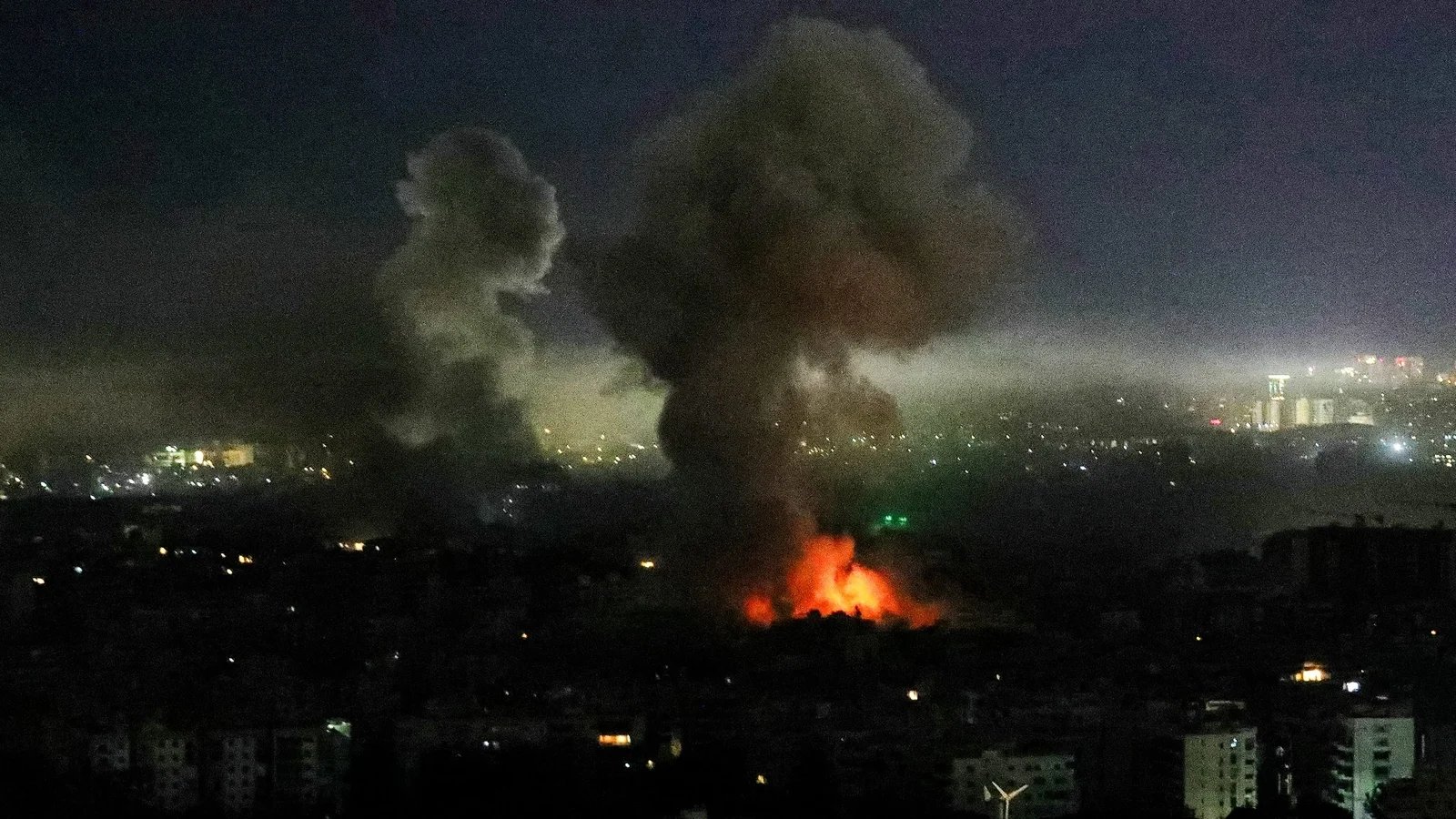
What began as targeted air strikes and covert operations has swelled into a grinding confrontation that shows no sign of letting go. In barely two weeks, the conflict—stoked by joint U.S. and Israeli strikes and answered by Iranian reprisals—has torn across borders, toppled the quiet cadence of daily life in coastal towns, and rattled international energy markets. The human cost is stark: roughly 2,000 people killed so far, most of them from Iran and Lebanon, and UNICEF says more than 1,100 children have been killed or injured.
On the frontline of rhetoric
At a campaign-style rally in Kentucky, President Donald Trump framed the military campaign in blunt, familiar terms: victory and endurance. “We have won,” he declared, then urged the nation to be ready for a longer haul: “We don’t want to leave early, do we? We got to finish the job.” His comments came as he touted an international plan to flood the market with oil from strategic reserves—a move he predicted would pull down pump prices as the conflict continues.
From Tehran, the message was equally uncompromising. An Iranian military spokesperson warned that the world should “get ready for oil to be $200 a barrel,” linking energy prices to regional security. The warning came after what maritime security firms described as explosive-laden boats striking fuel tankers in Gulf waters, setting them ablaze and killing at least one crew member. Analysts called those attacks a direct response to a coordinated plan by major consuming nations to blunt the market shock.
Numbers that matter
- Estimated deaths so far: ~2,000 (primarily Iranians and Lebanese)
- Children killed or injured (UNICEF): more than 1,100
- IEA recommended release: 400 million barrels (largest intervention in modern times)
- U.S. Strategic Petroleum Reserve release: 172 million barrels authorized
- Strait of Hormuz: roughly 20% of global seaborne oil passes through
- Oil price volatility: spiked near $120/barrel, settled around $90, with a recent ~5% uptick
Hormuz: The world’s choke point becomes a theater of tension
The Strait of Hormuz has always been geopolitics’ most consequential pinch-point: a narrow channel along Iran’s coast that funnels about a fifth of the planet’s oil supply. When ships cannot pass safely, ripples reach every petrol pump from Jakarta to Jersey City.
Ship captains are now weighing the risks of convoys, mines, and the possibility of Iranian drone or missile strikes. Port and security sources say Iran has deployed mines in the channel—dozens by some accounts—creating a perilous trench for global energy flows. “We are navigating by memory and prayer,” said a ship’s officer who asked not to be named. “Every horn-blow feels like asking permission to live.”
The G7 has agreed to explore escorting commercial vessels to help reopen these vital lanes. It’s a diplomatic tightrope: will an international naval escort calm markets or escalate confrontations further? The United States has hinted at taking a stronger role. President Trump declared that American forces had neutralized dozens of Iranian naval vessels—58 ships, he said—while signaling that the U.S. might pay special attention to the strait’s security going forward.
Markets in panic, planners in action
Oil traders have been stomach-punched by daily developments. Prices climbed toward $120 a barrel at one point before easing back to about $90, and then jumped again by nearly 5% on renewed fears. In response, the International Energy Agency—the club of major oil consumers—recommended an unprecedented 400 million-barrel release from global strategic reserves to soothe the surge. The United States plans to release 172 million barrels from its Strategic Petroleum Reserve next week, a move Washington says will “substantially reduce oil prices” and blunt the economic fallout.
“This is the single largest coordinated release we’ve seen since the oil crises of the 1970s,” noted energy analyst Dr. Lena Morales. “But releases are a tactical cushion, not a strategic solution. If routes stay contested, supply will remain fragile.”
Beyond tankers: the human geography of conflict
The violence has spilled into towns and cities. Drones and missiles have struck ports and urban centers in several Gulf states, and targets in Israel have been hit in retaliatory strikes. Lebanon, too, has felt the jolt—the conflict’s borders are blurrier now than they were two weeks ago.
At funeral processions in Tehran, mourners carried portraits of a new figure said to be rising in Iran’s political firmament: Mojtaba Khamenei. The mourning took on a ritual intensity—flowers, keening, quiet vows of resistance. “We are paying for every child lost,” said an elderly woman who had come to the procession. “This is not just politics for us. It is everything.”
Back in the Gulf, ordinary traders worry about the price of basics. “When energy goes up, everything else follows,” said Noor, a grocery vendor in a small port town. “We already ration salt and sugar at the shop. What will the people do if transport stops?”
Security alarms and new targets
Washington has issued warnings as well—an ABC News report said the FBI raised concerns about potential Iranian drone threats to the U.S. West Coast. The State Department cautioned that Iran or allied militias could target American oil infrastructure in Iraq and even hotels frequented by U.S. nationals.
Iran, for its part, has threatened economic retaliation beyond the battlefield. After a bank office in Tehran was struck, Iranian officials announced plans to strike banks that do business with the U.S. or Israel and urged civilians to stay at least 1,000 meters away from bank premises. “Financial pain can be a weapon,” a regional analyst observed. “And it directly hits the everyday lives of people who already bear the burden of sanctions and instability.”
What happens next?
What would be the cost of letting the standoff steam on? How far will countries go to keep commerce flowing through Hormuz without sliding into a wider war? These are not just strategic questions; they are everyday questions for families deciding whether to stockpile food or to flee a city, for captains choosing a route, and for policymakers calculating the domestic political fallout of prolonged military engagement.
Some things remain clear: releasing oil from reserves can calm markets for a moment but cannot cure the structural risk of a bottleneck that is being actively contested. Military fixes—escorts, strikes, or blockades—carry their own escalation risks. And human suffering will continue to mount as civilian infrastructures and livelihoods are caught in the crossfire.
“We keep talking about barrels and bunkers,” said Dr. Morales. “But what we are really managing is uncertainty—uncertainty that costs lives, drives up food prices, and unravels fragile economies. The question for leaders is whether they can find a path from tactical advantage to strategic peace.”
So what would you do if you were watching from a harbor or a supermarket aisle? How much of your daily life do you want to be shaped by a conflict happening thousands of miles away? As tankers burn on the horizon and presidents speak of finishing jobs, these are the small, urgent decisions that stitch the global into the personal—decisions that will shape the months to come.