When an Island Becomes a Line on a Map: Kharg, Oil, and the Thin Thread That Holds a Global Market Together
At dawn, the air above Kharg Island smelled of salt and diesel. Fishing boats chugged past rust-streaked oil terminals. For decades this low, pine-fringed slab of land in the Persian Gulf has been more than a local landmark — it is the throat through which the lifeblood of Iran’s economy has flowed.
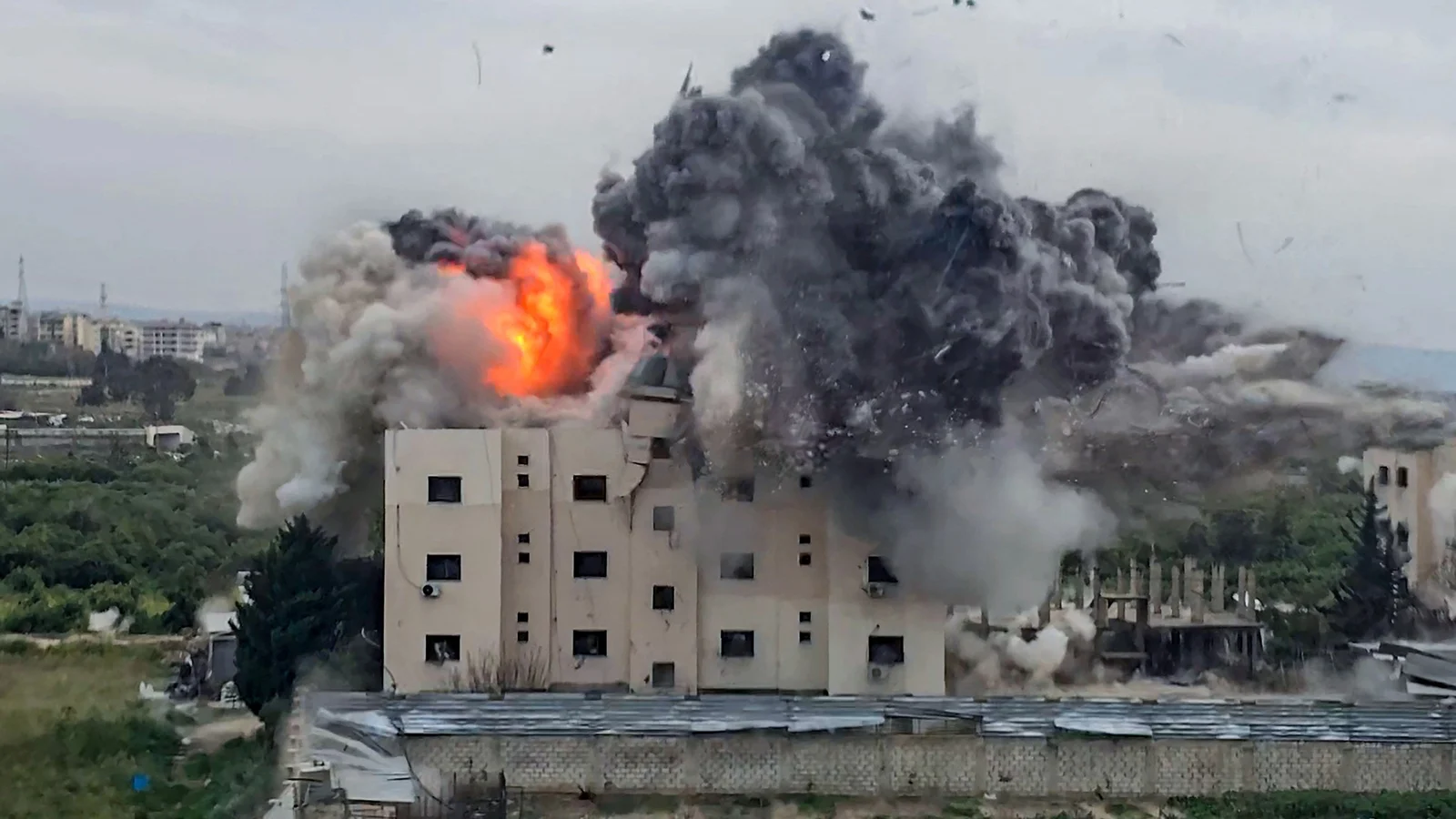
Until one morning this week, when military strikes carved new scars on the island. The result, according to a terse message from a U.S. leader posted on social media, was total destruction of “every military target” on Kharg — but, he insisted, the oil infrastructure was left standing. The warning that followed was blunt: any interference with free passage through the Strait of Hormuz would bring further action.
“We watched flashes on the horizon and then a dust plume over the oil jetties,” said Hassan, a dock supervisor on Kharg who asked that his full name not be used. “I don’t know how much of our work can be saved. We’re exhausted and scared.”
Why Kharg Matters — Not Just to Iran
To appreciate the stakes, picture a global pipeline with a fragile mid-point. Kharg Island handles roughly 90% of Iran’s seaborne oil exports and, even in recent weeks of conflict, has been one of the few Gulf terminals still loading tankers.
Satellite images reviewed by maritime monitors showed multiple very large crude carriers moored and loading at Kharg after the strikes. Independent analysts estimate Iran exported between 1.1 million and 1.5 million barrels per day (bpd) since the conflict began on 28 February — volumes small compared with global flows but critical to buyers who have few alternatives.
And then there is the Strait of Hormuz: a narrow choke point through which about one-fifth of the world’s seaborne oil passes. Disruptions here ripple outward — into fuel stations, into heating bills, into the decisions of central bankers and traders.
The Anatomy of Risk
Kharg is not a single warehouse but a web of pipelines, terminals and storage tanks — an industrial artery. Even precision strikes aimed at military installations can, industry watchers warn, produce collateral damage to valves, manifolds or loading arms that are delicate and hard to repair.
“Think of it like a watchmaker breaking a gear while trying to remove the hands,” said Marie Delacroix, a maritime security analyst based in Marseille. “You can leave the dial intact, but the mechanism is ruined.”
Markets on a Tightrope
Oil prices have been on a rollercoaster tied to each new claim, counterclaim and threat. The International Energy Agency has labeled the current disruption one of the largest in history; traders are tracking every syllable from leaders and every image from satellites.
Energy strategists are clear about the implications: even small damage at Kharg could further tighten global supply and inject fresh volatility into already jittery markets. “Markets respond to both the physical and the perceived,” said an independent energy consultant in London. “When a supply hub is threatened, buyers scramble for cover, and prices spike.”
Complicating matters, Washington has issued a short-term licence allowing certain shipments of sanctioned Russian crude already at sea to be purchased — a move that drew relief in Moscow but anger across parts of Europe and Ukraine. That decision, leaders across the Atlantic warned, risks sending money to a war chest at a time when global supplies are already stressed.
Escalation and the Human Toll
This is not a contained scene on one island. The war has spilled across borders. In the last two weeks alone, roughly 2,000 people have been killed, most in Iran, with mounting casualties in Lebanon and the Gulf. Millions have been displaced. Beirut’s suburbs bear fresh wounds of airstrikes, and Lebanese officials say capitals are straining under a surge of refugees.
“We fled with a single bag. We left our lives because the sky was falling,” said Layla, a mother who arrived in Beirut with her two children. “You can patch walls, but you can’t patch a life.”
Iran’s new leadership, in its first public posture, vowed to keep the Strait of Hormuz closed if pressured — a statement that sent shivers through commercial hubs from Dubai to Rotterdam. In response, the United States announced plans to escort tankers through the strait, and allied navies began consultations about combined maritime protections.
Military Movements and Maritime Fear
The region has seen a dramatic increase in naval assets and troops. An amphibious assault ship, capable of carrying fighter jets, is being moved into the theater; around 2,500 additional marines and additional sailors are being deployed. At the same time, air strikes and drone attacks have crossed multiple borders — from Iranian missiles aimed at Israel to strikes over Tehran, and to reports of drones flying through Kuwait, Iraq, the UAE, Bahrain and Oman.
A U.S. military spokesman, speaking on condition of anonymity, said the priority was to protect commercial navigation while minimizing harm to civilian infrastructure. “We aim to keep the lanes open,” he said. “But every move is weighed carefully because the consequences are global.”
Voices from the Sea and Shore
For captains and crews, the sea now feels like a ledger to reconcile with risk. “We’ve sailed through storms, but this is different — the storm is made by people,” said Captain Omar Rahman, who ferries crude out of the Gulf. “Even with escorts, passing through these waters is like walking a bridge made of ice.”
Economists warn that the longer the disruption lasts, the deeper its dent on households worldwide. Gasoline and diesel prices at the pump are already edging up in many countries, and any damage to export hubs could accelerate that trend.
The Big Questions
What happens if the hardware that moves oil is left intact but the supply chain — insurance, crew willingness, shipping lanes — freezes? What if nations begin to reroute, to hoard, to decouple energy from strategic rivals? These are not abstract problems; they will determine whether factories slow, whether governments increase subsidies, and whether ordinary people tighten belts.
Are we prepared for a future where geopolitical flashpoints can instantaneously translate into grocery-line anxieties? If globalization has taught us anything, it’s that distant events can arrive at our doorstep overnight.
Looking Ahead
For now, Kharg is both a symbol and a fulcrum: a narrow island that can tilt markets and lives. Repairing physical damage will take engineers and parts; repairing trust will take diplomacy, restraint and time.
“We can rebuild tanks and pipes,” whispered Hassan at the dock, gaze on the smoldering horizon. “But who will rebuild our nights without fear?”
The world watches. The question is not only whether oil flows, but whether the fragile architecture of international order — economic, political and human — will hold when the seas tremble.