Smoke Over the Grid: Iran Says Its Energy Infrastructure Has Been Attacked
When the first alarms shrieked through a sleepy industrial town outside Shiraz, workers thought a transformer had blown. By midmorning, state media carried a terse bulletin: energy infrastructure had been attacked. Satellite-daylight found scorched earth and a network of interrupted lines. By dusk, the streets hummed with rumor and the scent of diesel. For a country whose economy and daily life are knotted to oil, gas and electricity, the sight of damaged pylons and blackened valves felt, to many, like a direct hit to the national nerve.
On the ground: what people saw and felt
“It sounded like a thunderclap that came from the ground,” said Reza, a maintenance foreman who asked that his family name not be used. “We ran toward the plant and found gates bent, a pump house with holes in it. The night sky was full of orange.” His voice wavered between anger and fear: “This is a place where people work to keep lights on and water moving. When that stops, everything stops.”
Neighbors told similar stories: a sudden blackout in several districts, water pumps stalling in low-lying neighborhoods, and the anxious buzz of first responders trying to cordon off damaged areas. Hospitals reported emergency protocols but — according to official lines — no mass casualties had been confirmed in the immediate aftermath.
Official line and unanswered questions
Iranian state media, citing the energy ministry, described the incident as an “attack on energy infrastructure.” The ministry said technicians were assessing damage to several installations, including power substations and a gas pipeline pump station. Beyond that, details were sparse and evolving; there was no immediate claim of responsibility, and Tehran urged calm while pledging to restore services swiftly.
“We will repair and reinforce our networks,” an unnamed energy ministry official told a domestic broadcaster. “Those who attempt to disrupt the lives of our people will be met with resilience. Our technicians are already at the site.” That determination echoed in the streets where residents — used to coping with outages, sanctions and seasonal blackouts — organized neighborhood generators and shared water bottles.
Why this matters: energy as lifeline and lever
Iran is not just an exporter of hydrocarbons; it is a nation whose daily rhythms rely on a complex lattice of power plants, pipelines and refineries. The country sits on vast hydrocarbon reserves — among the largest on Earth — and its energy sector underpins government revenue, industrial output and household life. Damage to infrastructure, even localized, can ripple outward:
- Domestic impact: Reduced electricity can strain hospitals, manufacturing and agriculture, especially during high-demand seasons.
- Economic effect: Interruptions to oil and gas flows can complicate export logistics and state budgets already stretched by sanctions and pandemic-era pressures.
- Strategic alarm: Attacks on energy sites raise concerns about escalation, attribution and the safety of infrastructure across a volatile region.
Energy experts point out that the physical network is one part of a larger vulnerability. “It’s not just pipes and wires,” said Leila Mansouri, a regional energy analyst based in Istanbul. “Maintenance backlogs, aging equipment, and restricted access to spare parts because of sanctions make repair harder and prolong outages.” She added, “When an infrastructure system is stressed, an attack can have outsized effects.”
Patterns and parallels
In recent years, the Middle East has seen a string of asymmetric attacks on energy and transport targets — from tanker seizures to sabotage at offshore platforms — that blur the line between warfare and clandestine operations. Analysts read this as part of a larger pattern where non-state actors and state proxies, and sometimes even states themselves, use infrastructure as leverage.
“Attacks on energy are designed to signal,” explained Dr. Amir Haddad, a security scholar who tracks critical infrastructure assaults. “They send a message without necessarily resorting to full-blown military campaigns. But they also risk miscalculation. Once a pipeline or a grid is damaged, the political temperature in a capital can spike overnight.”
Who benefits? Who pays?
Questions about motive and authorship matter, but so do the practical consequences. Local businesses face lost hours; farmers fear irrigation gaps; hospitals juggle backups. For the global market, even short-lived disruptions in a major producer can affect sentiment. Traders watch any hint of reduced supply; insurers reassess risks to shipping and logistics; regional allies and rivals recalibrate positions.
“Even if the immediate physical damage is contained, the psychological and economic effect can be magnified,” said Sofia Berman, an international risk consultant in London. “Markets price in risk, and policymakers feel pressure to respond decisively.”
Voices from the city: color, worry and small acts of solidarity
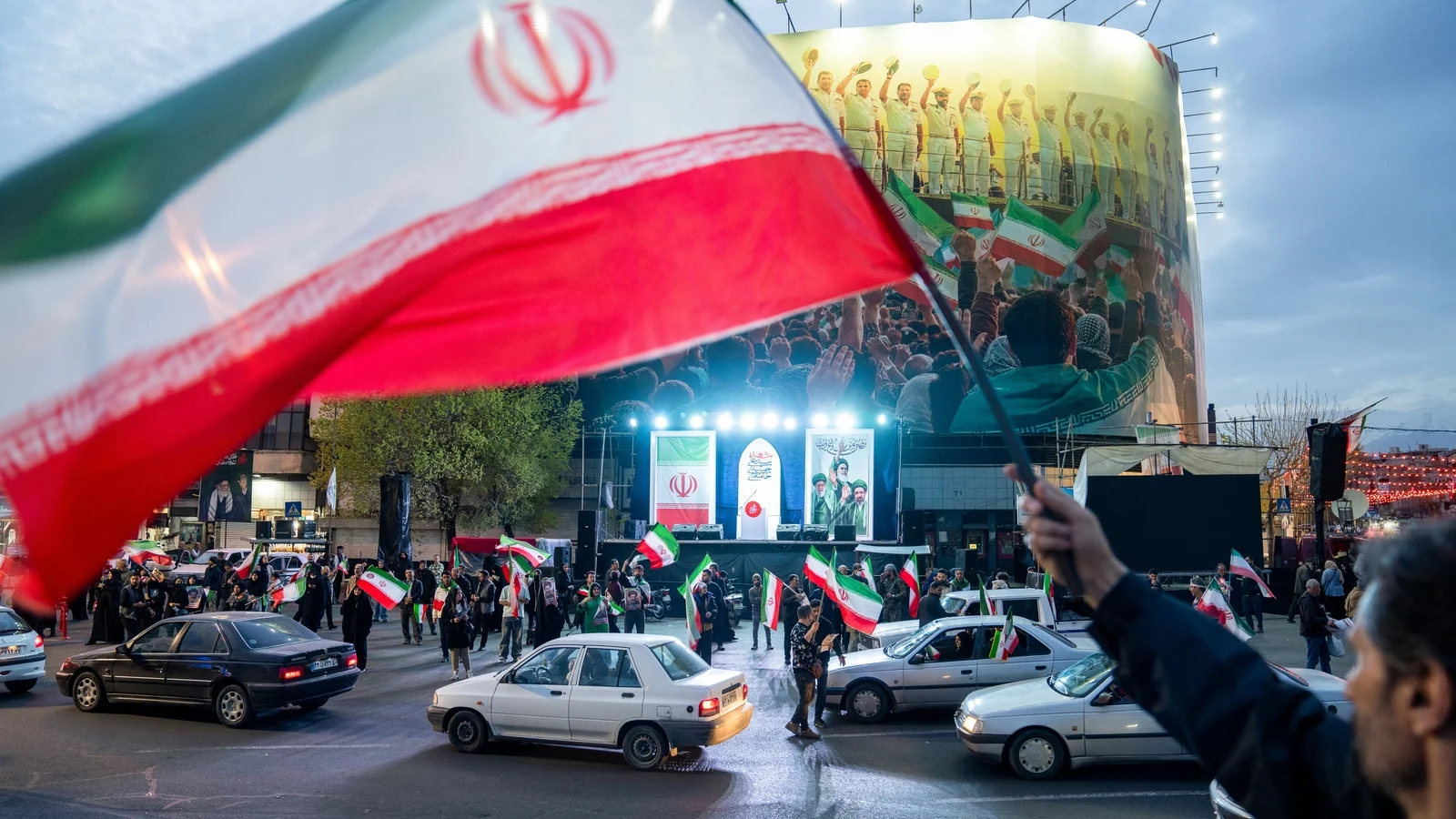
In teahouses and on neighborhood chat threads, life continued with an undertone of strain. A bakery owner in the city center propped open his doors to customers when the power cut interrupted his ovens, trading free bread for patience. A university student charged phones in a café generator and, in exchange, offered homework help to local children.
“The people here are used to adapting,” said Sahar, a schoolteacher who stayed up late to organize a roster for sharing generator use in her block. “We joke and complain, but when push comes to shove, we look out for each other. Still, it’s unsettling to see infrastructure become a target.”
Looking outward: the geopolitical cloud
Attacks on energy sites rarely remain local stories. They intersect with sanctions regimes, regional rivalries, and the global shift toward energy security and diversification. For European and Asian importers who follow developments in Tehran closely, the incident raises questions about supply reliability, insurance and the calculus of doing business with a country under multiple pressures.
It also prompts larger questions: In an age of climate change, cyber threats and tangled geopolitics, how do societies build resilient energy systems? How much should governments invest in hardening pipelines versus diversifying energy mixes? How do ordinary citizens reconcile the vulnerability of critical services with daily life?
What comes next
Officials say crews are working to restore service and that investigations are underway. Whether the episode proves to be an isolated act of sabotage or part of a sustained campaign will shape both local recovery and international reactions. But for the people who live near the scorched stations and in the shadow of flickering streetlamps, the immediate priority is more human: getting reliable power back on and reclaiming a sense of safety.
For now, the pylons stand like blackened sentinels against the skyline, witnesses to a moment when infrastructure became a stage for larger conflicts. The question that remains for readers everywhere is not only who did this, but how societies choose to protect the arteries of daily life in a dangerous world. Will we invest in redundancy, diplomacy and community resilience — or continue to hope that the next strike will be the last?