Night of Rattled Windows: Explosions in Tehran and the City That Refused to Sleep
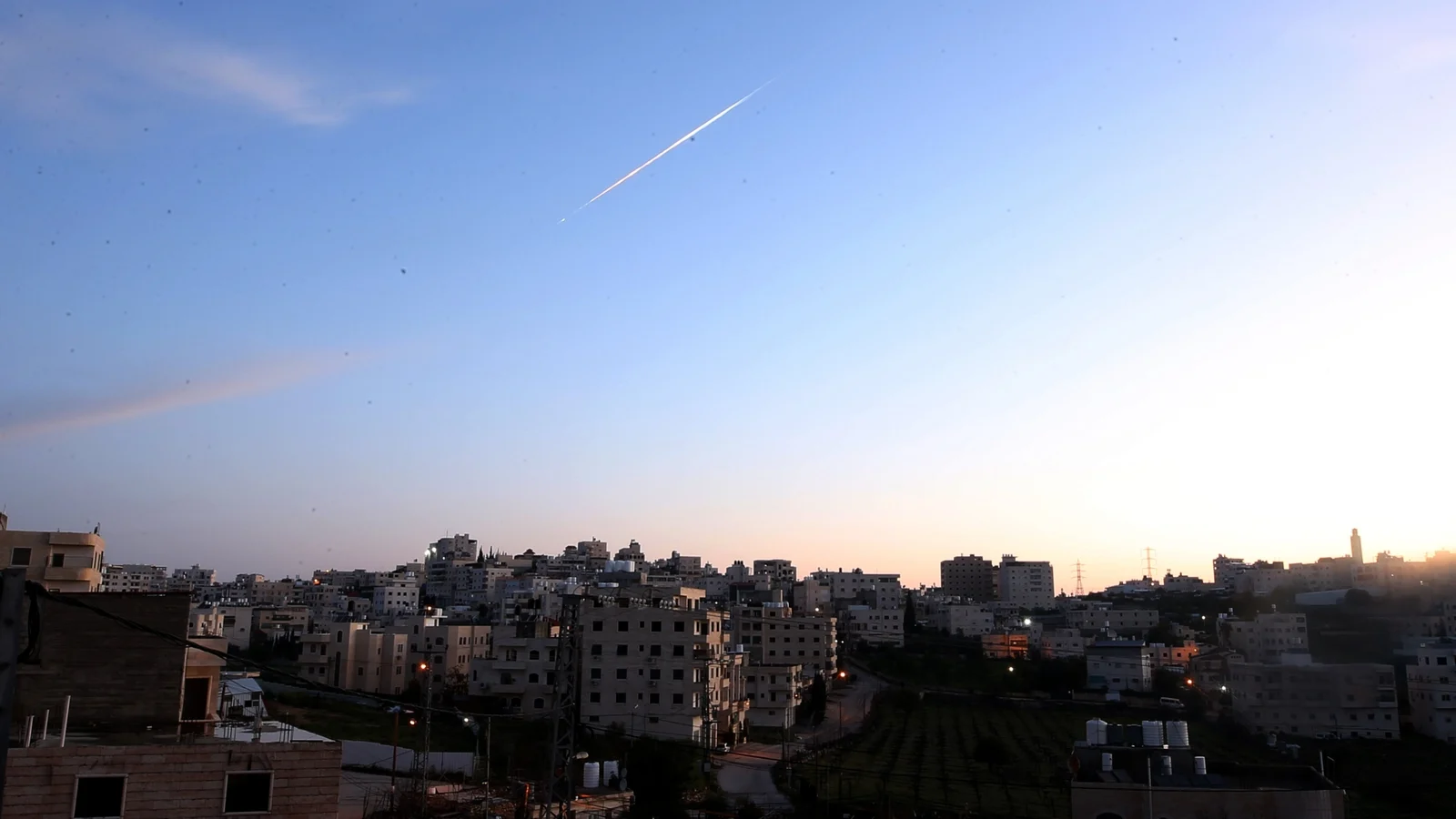
Tehran at dusk is a city of layered sounds: the distant toot of a bus, vendors calling from beneath the awnings of the Grand Bazaar, the rhythmic clatter of traffic along Valiasr Street. Tonight another sound threaded itself into that tapestry — a series of sharp booms that rolled across apartment blocks, bounced off the concrete shoulders of the capital’s high-rises and sent people tumbling onto their balconies to stare into the bruise-colored sky.
“It felt like someone dropped a giant pot on the roof,” said a shopkeeper standing outside a noodle stall near Tajrish Square, rubbing his temples. “My grandmother thought it was an earthquake. We all ran into the street.”
Moments that stretch
The first reports came in as the lights in living rooms flicked on. For some it was a single, thunderous crack; for others, a rhythmic volley, as if a distant drumline had been unleashed. Neighbors banged on doors, children whimpered. Cars slowed and then stopped. Within minutes, the usual chatter on local messaging apps had been reshaped into a chorus of eyewitness audio clips, shaky videos of smoke columns, and questions: What was it? Where did it come from? Are we safe?
“I heard three explosions. Then the power flickered,” said a university student who lives in northern Tehran. “Windows shook. We stepped outside and saw lights in the sky — uneasy, like a row of warning lanterns.”
Uncertainty and official silence
By its nature, the first hour after an unexpected blast is a fog of rumours. In such moments, state briefings, independent verification, and international monitoring systems play pivotal roles — and their absence is palpable. Official channels were slow to provide a clear account, and when they did, details were thin. Hospitals in several districts reported receiving people with minor injuries — shock, cuts from shattered glass — but there has been no immediate confirmation of large-scale casualties.
“We are still gathering information,” said a man who identified himself as a municipal emergency coordinator, speaking from a crowded command room. “Ambulances are on their way to several locations. We ask residents to follow instructions on official channels and avoid spreading unverified content.”
Where the mind goes — and why
For many residents, the instinctive leap is to geopolitics. Tehran is, after all, the nerve center of a country that has been at the intersection of regional tensions for decades. A single blast can summon memories of past attacks on military sites, on nuclear facilities, or of drone strikes that once made headlines around the world. Analysts, too, weigh in quickly, offering plausible scenarios: a domestic accident, an industrial mishap, an air defense interception, or an external strike — each carrying different implications.
“Explosions in capitals rarely occur in a vacuum,” said a security analyst who monitors Middle Eastern hotspots. “They change the calculus for both local security and international diplomacy. But premature attribution is dangerous; it can escalate rhetoric and make containment harder.”
Voices from the street
To stand in Tehran after an unexpected event is to observe a city that refuses to be defined solely by fear. Neighbors checked on one another. A tea vendor offered hot cups to policemen standing at an intersection. A woman in her seventies recited a few quiet lines of poetry from behind a scarf, as if a familiar cadence could soothe the shock.
“We’re used to waking up in the middle of the night to sirens,” said a teacher who lives on a third-floor flat near the azadi Tower, its silhouette a constant against the skyline. “But this felt different — closer. We’re careful, but we’re not going anywhere.”
At a small clinic nearby, nurses and volunteers prepared bandages and bottled water. “Mostly cuts and shock,” said one nurse, tying a gauze pad. “People are frightened. They just want to know if it’s over.”
Information, misinformation, and social media
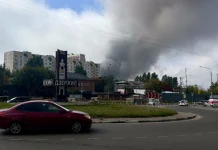
In the moments after the blasts, social platforms were alight: threads, voice notes, and images racing ahead of verifiable facts. Some posts claimed to show drones; others suggested sabotage at an industrial site. A handful of photos circulated of a smoky blur above an industrial-looking compound — but context was lacking.
“In crises like this, the platform is both lifeline and hazard,” said a digital media researcher at a university in the region. “People need to share to feel connected and to seek help. But unverified content can spread fear as fast as any blast wave.”
Context — a city and a region on edge
Tehran is home to roughly nine million people within the city proper and more than 15 million across the wider metropolitan area — a human tide that fills its streets, schools and markets. It sits at the crossroads of history, culture and contemporary politics. Over recent years, isolated attacks, domestic protests, and regional skirmishes have blurred the line between everyday life and the geopolitical pulse.
Against that backdrop, an event like tonight’s explosions becomes more than a local incident. It is a reminder of how urban centers function as both living places and strategic centers. It raises questions about the resilience of civil infrastructure, the efficiency of emergency response, and the transparency of public information systems.
What comes next?
Authorities will, in time, release formal findings: whether the blasts were accidental, the result of a targeted strike, or the consequence of something else entirely. International observers and independent media will sift through open-source footage, radar data, and satellite imagery. For residents, the immediate concerns are simpler and more human — broken glass, shaken nerves, children’s sense of safety.
“We want to go back to homework and tea and the small things that make a life,” the shopkeeper near Tajrish said, his voice catching. “Tonight the city felt older, but I hope tomorrow it will feel like itself again.”
Questions to carry with you
When the headlines settle and the explanations arrive, what will we remember? The blast itself, or the way strangers stood together on their balconies, sharing light and water and stories? Will this become another line in a ledger of incidents, or a catalyst for broader discussions about security and civil resilience?
- How do cities balance secrecy and transparency in crises?
- What role do social platforms play in shaping public perception during emergencies?
- And how do ordinary citizens rebuild a sense of safety after a night like this?
For now, Tehran breathes and waits. Windows are being swept, bandages applied, and children coaxed back to sleep. The city’s sounds — the kettle whistling, the soft rumble of the metro in the distance, the hum of generators — return, tentative and steady. In the days ahead, pieces will be assembled: official reports, satellite scans, expert analyses. Tonight, though, the story belongs to the people on those balconies, to the vendors handing out tea, and to the quiet courage of a city that, time and again, shows it can absorb shocks and keep its pulse going.
If you’re watching from afar, consider this: beyond the headlines, there are human stories — neighbors helping neighbors, doctors working through the night, and every person wondering what morning will bring. What would you do if the sound that broke your evening was a series of booms? How would you comfort your neighbor? How would you keep a city calm?