Three Peacekeepers Killed in Southern Lebanon: A Quiet Force Caught in a Roaring War
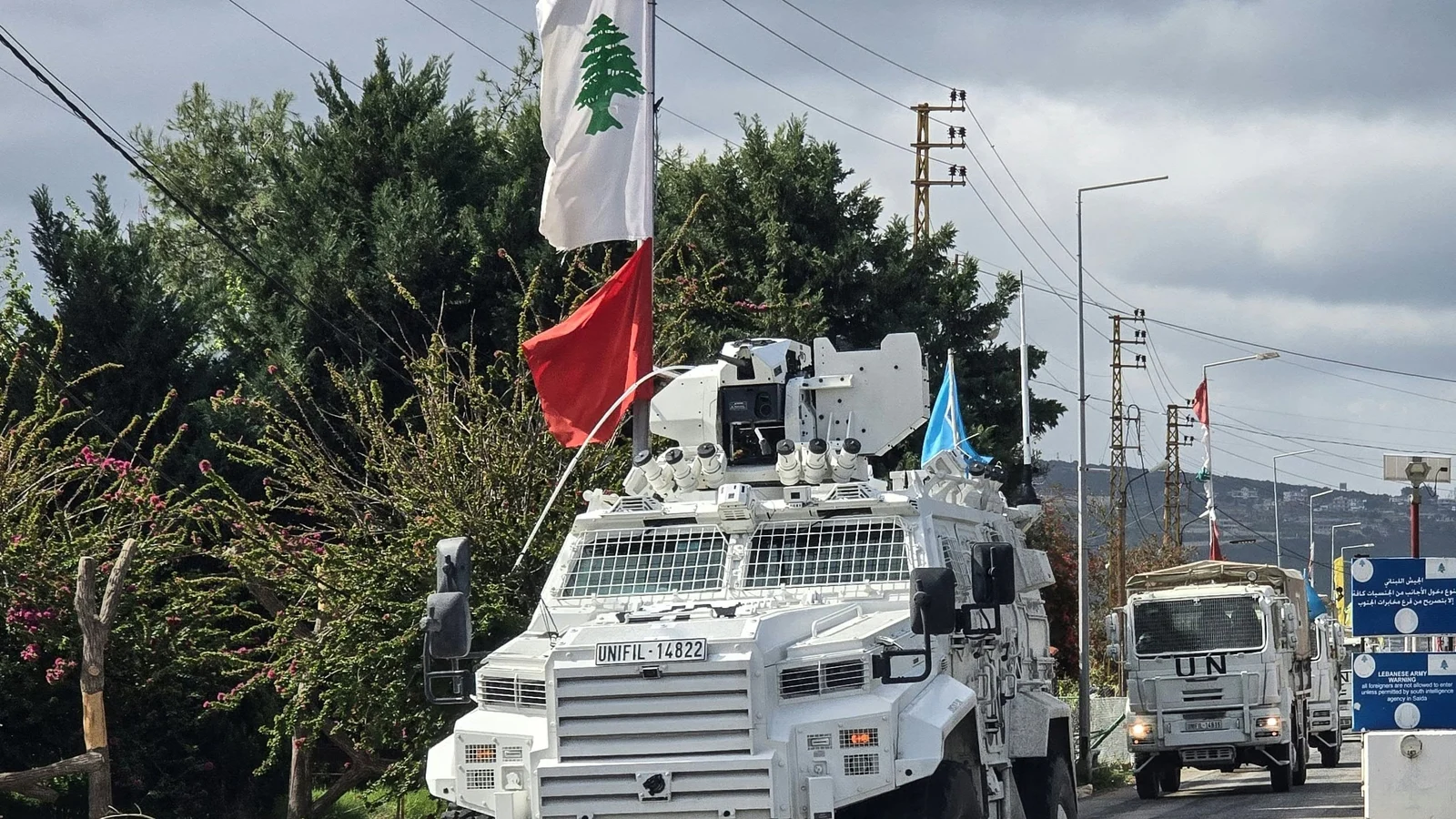
They came to Lebanon with blue helmets and a map of duties: monitor, deter, report. They did not expect to become headlines. Yet over one violent weekend in southern Lebanon, three Indonesian members of the United Nations Interim Force in Lebanon (UNIFIL) were killed in two separate incidents, another peacekeeper critically wounded, and the fragile role of UN peacekeepers in modern conflict was thrown into stark relief.
The incidents unfolded near the small agricultural hamlets of Bani Hayyan and Adchital-Qusayr, places more known for olive groves and faded mosque minarets than for front-line firefights. “You could smell the olive oil from the presses in spring,” recalled a neighbor who watched the convoy pass through last month. “Now the air smells of dust and smoke.”
What happened
According to UNIFIL, two peacekeepers died when an explosion of unknown origin blew apart their vehicle near Bani Hayyan; two others were wounded. In a separate attack near Adchital-Qusayr a short while later, another Indonesian peacekeeper was killed and a comrade critically injured when a projectile struck close to their position.
“We are investigating these as two separate incidents,” said a UNIFIL spokesperson, describing the events as occurring in what the force calls an “active combat area.” The Israeli military, in parallel, announced it was launching its own review to determine whether the strikes came from Hezbollah or from Israeli Defense Forces (IDF) operations, cautioning that the front lines in southern Lebanon have blurred.
It is the first lethal loss for UNIFIL since the war reignited on March 2, when a barrage of rockets and counterstrikes widened a conflict that had already been simmering around the region.
Voices from the ground
In the marketplace of a nearby town, a schoolteacher named Layla sat on a plastic chair beneath a sun-faded awning and struggled to find words. “They should be protected,” she said. “They were not here to fight. They were here to count and to see.” Her hands trembled as she spoke of the bodies carried on stretchers through narrow streets, of relatives who refused to let ambulances pass without blessing the deceased.
An Indonesian foreign ministry statement confirmed the nationality of the deceased and said three others were wounded by what it termed “indirect artillery fire.” A ministry official, speaking to reporters, described the deaths as “unacceptable” and urged an immediate and transparent inquiry. “Our peacekeepers serve with dignity and courage,” the official said. “Their families deserve answers.”
At a makeshift field clinic, a medic who had treated wounded civilians and peacekeepers alike leaned against a tent pole and said bluntly: “We are not shields. We are not targets.” The medic’s eyes were ringed with exhaustion; he had already counted too many funerals this month.
Ripple effects: An emergency UN Security Council meeting
The killings prompted an emergency session of the UN Security Council convened at the request of France. Secretary-General António Guterres condemned the attacks on peacekeepers as “grave violations of international humanitarian law,” and Jean-Pierre Lacroix, head of UN peacekeeping, reminded delegates that UNIFIL is a Security Council-mandated mission with “a duty to stay,” even as its operations become increasingly constrained.
For many diplomats, the incident highlights a grim question: What does it mean to be neutral in an increasingly polarized and urbanized battlefield? “UN peacekeeping was conceived for different wars,” an independent peacekeeping expert told me. “When satellites, drones, and irregular militias operate side by side with conventional forces, the risk to peacekeepers—who are often lightly armed or unarmed—rises exponentially.”
Numbers that haunt
Official tallies paint a stark picture. Lebanese authorities report that more than 1,240 people have been killed in Israeli strikes on Lebanon since the fighting intensified, including more than 120 children and nearly 80 women. Sources close to Hezbollah put the group’s fatalities at over 400 since March 2. The weekend’s casualty list also included journalists and paramedics; at least ten paramedics were reported killed, and three journalists died when their car was struck.
These statistics are more than numbers on a page. They represent households ripped apart, clinics closed, schools shuttered, and a fraying sense of normal life in towns and villages that once measured time by harvests and market days.
Why peacekeepers are caught in the crossfire
UNIFIL’s mandate is narrow but hazardous: to monitor hostilities along the Blue Line—the de facto border—and to facilitate humanitarian access. But the front has moved, and with it the rules of engagement. Israel has warned of coordinating strikes to dismantle Hezbollah’s capabilities and has indicated its intention to control a buffer zone stretching up to the Litani River, roughly 30 kilometers north of the Israeli border. Hezbollah, in turn, says it is defending Lebanese sovereignty and responding to strikes that started with attacks on Iran.
“When you are stationed between a state military and a hybrid militia with regional backing, the margin for error is zero,” said a retired UN peacekeeping commander who served in Lebanon. “Missions like UNIFIL were never designed to be human shields. But neither were they designed to be invisible in a fight where identity is disguised and civilians and fighters are intermingled.”
The human and legal stakes
International humanitarian law is clear: peacekeepers and medical personnel are protected persons. Attacks on them could amount to war crimes, as the UN secretary-general warned. Yet in the fog of war, distinguishing combatants from non-combatants becomes maddeningly difficult, and accusations fly across media channels with little publicly available proof.
Israel has accused Hezbollah operatives of masquerading as paramedics and said some journalists killed were linked to the group; Lebanese authorities and medical organizations deny that ambulances or health facilities are being used for military purposes. Without transparent, independent investigations, such claims and counterclaims harden into narratives that justify further violence.
What lies ahead?
UNIFIL says its personnel remain in position even as contingency plans—risk mitigation, relocation, or withdrawal—are discussed. For the families of the fallen, and for Indonesia which contributes troops, this is cold comfort. For civilians in southern Lebanon, the presence of blue helmets once stood as a small measure of restraint; its erosion threatens to widen the theater of conflict.
So what should the international community do? Increase monitoring and transparency. Bolster protective measures for peacekeeping contingents. Push for independent investigations that can withstand the propaganda wars. And most importantly, redouble diplomatic efforts to prevent further escalation.
As the sun sets over villages where orange groves meet abandoned checkpoints, the question hums like a mosquito at night: How do you protect those who are sent to protect others when the lines between soldier and neighbor, reporter and intelligence source, healer and combatant blur? For now, the blue helmets bear that burden—and the world watches, waiting to see whether the norms that once restrained war will hold or fray beyond repair.