A Letter, a Looming Shortage, and the Quiet Panic in Brussels
On a cool Brussels morning, a terse letter slid across the inboxes of Europe’s energy ministers and sent a ripple through the marble corridors of power. It was not a headline-grabbing brief; it was a call to prepare. The note — unsigned by name in most coffee-room conversations but unmistakably urgent in tone — warned of a “potentially prolonged disruption” to global energy markets as hostilities in the Middle East threw new shadows over shipping lanes and fuel flows.
“We need to treat this as a long-haul problem, not a blip,” said a Brussels energy official who asked not to be named. “This isn’t just about price spikes. It’s about people’s ability to move, to fly, to heat their homes this winter.”
Why Europe Feels the Pressure
Look at a map and you can see why a war thousands of miles away matters. Look at the gas bill and it becomes painfully real. Europe imports the vast majority of its crude oil — roughly nine out of every ten barrels consumed — and a substantial share of its natural gas. Those steady flows have been shaped by decades of trade routes and contracts; a sudden shock upstream can reverberate downstream, straight into the garage of a delivery driver or the fuel pit of a regional airline.
Since the early days of the war in late February, benchmark European gas prices have surged — more than 70% in some measures — and traders have been pricing in risk as if it were a new commodity all to itself. Insurers have tightened terms for tankers transiting the Strait of Hormuz, and some shipping companies have re-routed vessels, adding days and costs. For now, Europe’s crude and pipeline gas supplies have largely avoided direct disruption because most of its oil and gas come from non-Middle Eastern sources. But the finer, more immediate worry is not crude crude — it’s the fuels refined from it.
The refined-fuel bottleneck
Refined products — diesel, jet kerosene, heating oil — move on different rhythms than crude. Europe’s refineries have been whittled down over the last decade: closures, tougher emissions rules, and shifting investment mean fewer plants are available to turn crude into the fuels that keep planes in the sky and trucks on the road.
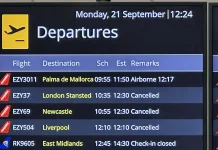
“Refined products are where you feel the pinch first,” explained an energy market analyst in Rotterdam. “You can substitute crude sources more easily than you can conjure up a refiner overnight. If jet fuel gets tight, flights get rerouted or canceled; if diesel tightens, the cost of everything from food to bricks rises.”
That’s why the letter urged governments to avoid measures that would increase consumption or restrict trade in petroleum products, and to think twice before allowing refineries to take scheduled downtime. “Member states are encouraged to defer any non-emergency refinery maintenance,” the draft recommendation read, a practical, if imperfect, lever to keep tanks full.
Voices from the Ground
Down in the port of Antwerp, where tankers bob like sleepy whales, refinery workers are watching the paperwork as closely as the weather. “We’re being told to keep plants running,” said Lara, a control-room technician whose father spent forty years at the same complex. “But every plant has limits. We’re not magic.”
In a regional airport outside Madrid, an airline operations manager named Carlos described the calculus of contingency. “We can switch to larger planes less efficiently filled, or cancel routes entirely. Neither is good for passengers or for our margins,” he said. “Fuel is our second-biggest cost after staff. A small jump becomes a big problem fast.”
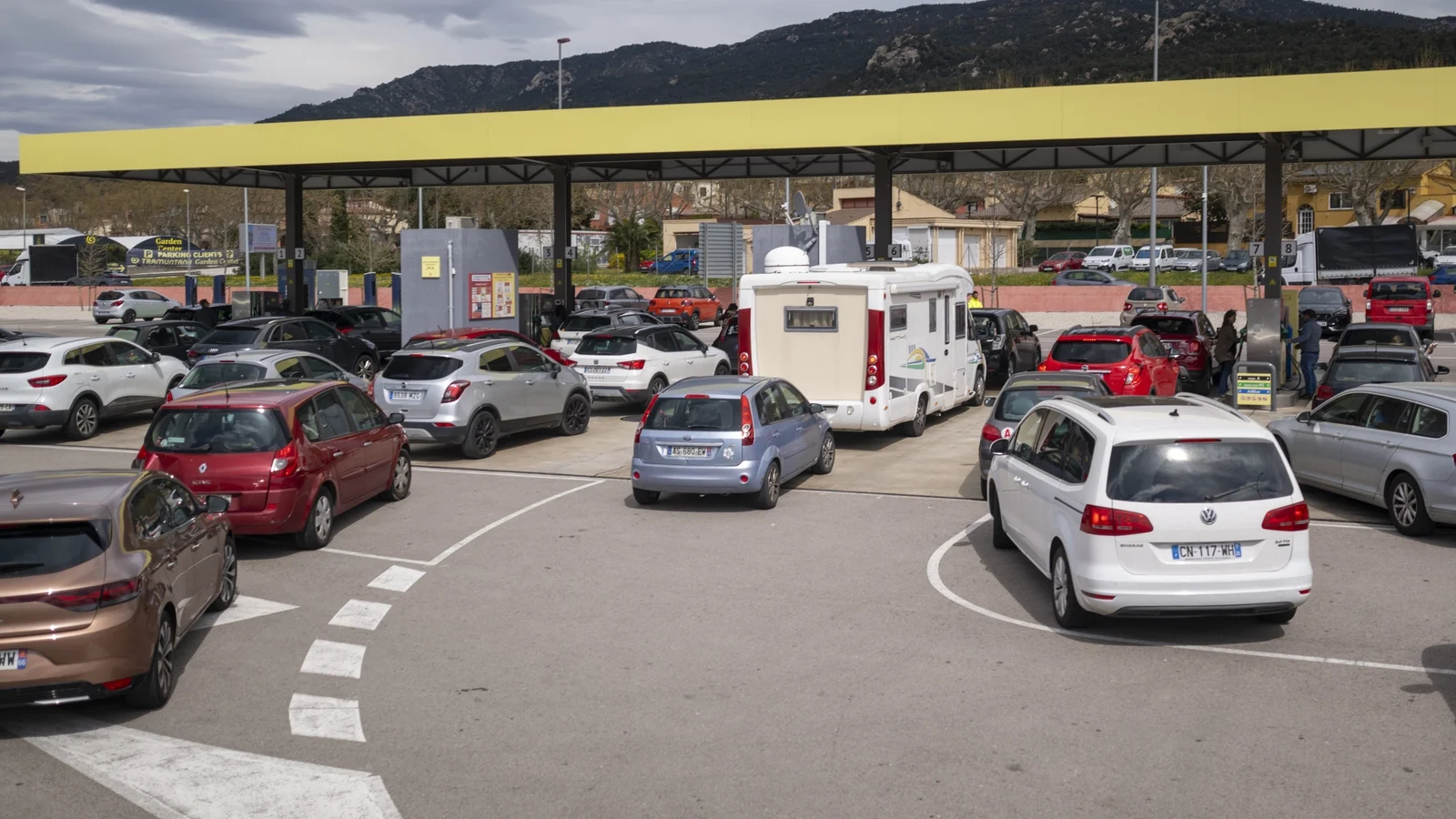
On the motorway, a long-distance driver from Poland, Tomasz, tapped his fingers on the steering wheel. “If diesel becomes expensive, I either make less money or raise prices for farmers who already complain,” he said. “Someone has to absorb the hit.”
Policy Tools — Sharp Edges and Trade-Offs
Brussels’ letter is as much a coordination memo as it is a warning. It nudges governments toward options that many have used before: draw on strategic reserves, coordinate with the International Energy Agency, and avoid nationalistic policies that close borders to fuel product flows. But every lever has consequences.
- Strategic reserves: IEA members normally hold about 90 days of net imports in reserve. Releasing stocks can tame panic but is only a temporary balm.
- Demand reduction measures: speed limits, teleworking incentives, or temporary industrial curbs can cut consumption quickly but are politically sensitive.
- Keeping refineries running: deferring maintenance helps near-term supply but raises safety and environmental risks if pushed too far.
“We are walking a tightrope,” said a Brussels energy policy adviser. “Protecting citizens’ mobility and the economy while maintaining safety and market openness — it’s a balancing act under pressure.”
Local Color and Global Themes
Behind the technical talk are daily rituals and cultural frames. In northern Italy, farmers plan their seasonal sowing around diesel costs. In Greece, island economies live or die by kerosene allocations that keep planes and ferries running. A café owner in Lisbon joked that his espresso machine’s future was tied to geopolitics.
And then there’s the broader, harder conversation: how much short-term pain are societies willing to accept to speed the transition away from fossil fuels? Wars and price shocks often accelerate existing trends. In 2022, a different energy crisis set the EU on a faster pivot to renewables and electrification. Now, as conflict risks ripple through chokepoints like Hormuz, the same pressures nudge policymakers to think about resilience, domestic manufacturing of critical components, and the social safety nets that cushion the vulnerable.
“If we learned anything from the last shock,” said Amrita Singh, an energy transitions researcher, “it’s that resilience is partly about diversification — of supply, routes, and energy types — and partly about social policy. People need options.”
Questions for the Reader
What would you do if a sharp rise in fuel prices forced your municipality to cut services or reroute buses? How far should governments go to keep refineries operating at the cost of environmental concessions? These aren’t abstract policy puzzles; they’re debates that will touch the daily lives of millions across the continent.
Parting Image
In the end, the letter from Brussels is less a prediction than a request for imagination — for ministers to imagine a world in which crude keeps flowing but the ability to turn it into the places and technologies we rely on is strained. It asks for prudence: defer that maintenance, coordinate with neighbors, open the reserve taps if you must, and don’t let short-term national reflexes become the cause of long-term shortages.
Outside, in ports and airports and highways, people keep moving. Yet the hum of engines, the beeping of conveyor belts, the gentle churn of refineries all now carry a new undertone: a reminder that in a globally connected energy system, the spark of distant conflict can become the streetlight that goes out in your town. How we respond will say a lot about our priorities — and about the kind of resilience we want to build for the future.