Prime Time, High Stakes: A Late-Night Address That Tried to Calm a World on Edge
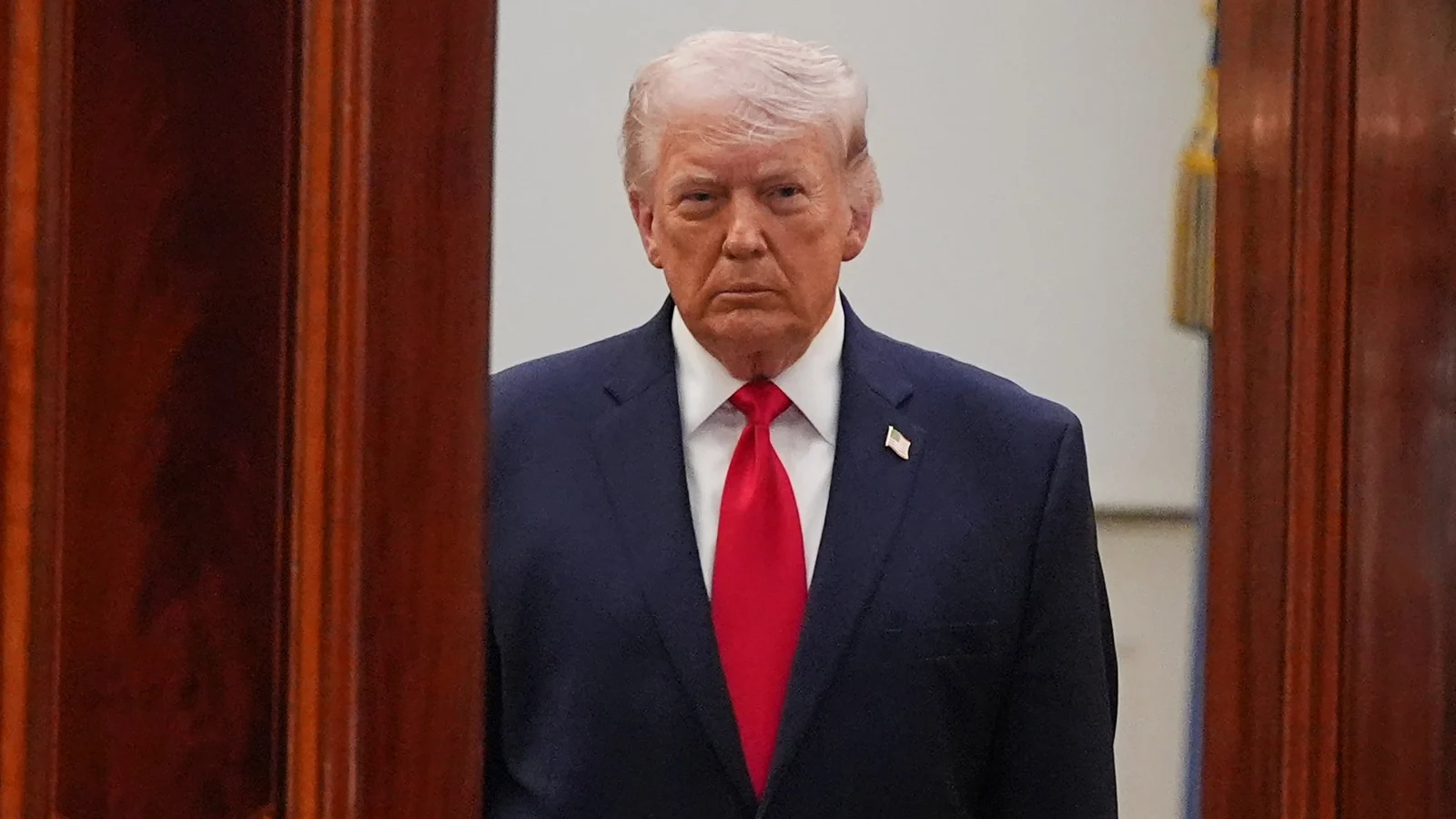
It was the kind of television moment built for history books — or at least for water‑cooler debate. A president stepped into a dimly lit room, the seal of state behind him, and spoke for 19 minutes while millions watched, worried about a war that has already redrawn maps of anxiety from Tehran to Tulsa.
The speech came nearly a month into a widening conflict between the United States, Israel and Iran — a crisis that has driven oil prices higher, rattled global markets and left ordinary people wondering how much longer their kitchens will be in the crossfire of geopolitics. In that hush, the president strode out to insist the military campaign was nearing its objectives while at the same time issuing ominous warnings that could make a negotiated end harder to trust.
The Message and the Mood
“We are getting the job done, and we will finish it fast,” the president said, according to aides who briefed reporters after the broadcast. Yet for all the certainty in his voice, the speech offered few certainties about what comes next.
He described what he called a near‑complete dismantling of Iran’s conventional military capabilities and vowed further strikes if Tehran did not yield to U.S. demands. But he also left open — ambiguously — the possibility that the campaign could taper in the coming weeks, a line that pulled listeners between relief and suspicion.
“It wasn’t a rallying cry or a detailed strategy,” observed Clara Mendes, a foreign‑policy fellow in Washington. “It was a performance designed to reassure two different audiences at the same time: voters who want a quick exit and allies who fear abandonment.”
Mixed Signals Have Real Consequences
Mixed messages from a single podium can ripple far beyond American living rooms. Markets reacted almost immediately: stocks wavered, the dollar picked up strength, and oil — already under pressure — ticked higher. For countries dependent on Gulf crude, the economic pain is not theoretical. Who will reopen the Strait of Hormuz if it stays blocked? Who will bear the naval burden if the United States steps back?
“We’re not going to be the world’s gas station forever,” the president declared, urging Gulf states and other consumers of Middle Eastern oil to “take the lead.”
That appeal has found few takers. European capitals and regional partners have publicly resisted being dragged into a conflict that they say was launched without their full consultation. The result: an anxious diplomatic chorus, and a simple, ugly arithmetic — the world depends on a choke point now held hostage by uncertainty.
Why the Strait of Hormuz Matters
When the headlines say “energy shock,” they mean real ships, real sailors and real families. The Strait of Hormuz, that narrow ribbon of water between Oman and Iran, is the artery of a fifth of global oil and liquefied natural gas shipments. Close it, and the global energy map convulses.
“I’ve been sailing these waters for 30 years,” said Jamal Hassan, a captain who ferries crude tankers along the Gulf. “When tension rises, we don’t sleep. Everybody pays — the tanker crews, the ports, the people at the pump.”
Analysts warn that ceding control of the strait — even temporarily — hands Tehran leverage not just over prices but over politics. Gulf states fret that a hasty U.S. withdrawal could leave them with a hostile neighbor and even greater security dilemmas to solve.
On the Ground: Military Claims vs. Unanswered Questions
The president lauded strikes that he said have degraded Iran’s navy, air force and missile capacities, and he insisted the mission would “end very fast.” Military officials, speaking on background, confirmed successful operations against key targets but were careful not to suggest an imminent finality.
“Damage assessments are ongoing,” one senior defense analyst said. “Kinetic effects are measurable, but so is Iran’s ability to adapt. You can destroy systems; you can’t immediately erase intent or networks.”
What the address did not resolve was the thorny issue of nuclear ambiguity. Tehran’s program has long been the subject of international scrutiny and sanctions, and experts continue to debate what restraint, if any, has been achieved by the campaign so far.
“War doesn’t automatically plug technical capabilities,” cautioned Dr. Leila Farzan, a nuclear policy specialist. “You can bury facilities, disrupt enrichment briefly. But a long‑term solution requires verification, diplomacy or both — not just bombs.”
Domestic Politics and the Price of Spectacle
Back home, the theater of prime-time address is as much about optics as about strategy. The president hoped to soothe a weary public, but the timing — with gasoline pain at the pump and approval ratings that had slipped into the mid‑30s in recent polls — made his reception precarious.
“It felt rehearsed, which makes me nervous,” said Angela Ruiz, a teacher in Cleveland. “I voted for change because I didn’t want endless wars. Now my gas bill is up and we’re told there’s a finish line that’s also a threat.”
Political operatives in both parties are watching every syllable. For the president’s party, the stakes are more than a midterm cycle: economic anxiety undermines political narratives about competence. For opposition figures, the speech is ammunition to question the judgement behind a conflict that has touched so many parts of daily life.
Human Stories: Markets, Mosques and Motorists
Beyond banners and briefs, this crisis registers in small, human ways. In Tehran bazaars, shopkeepers haggle and offer tea behind scarred counterdoors. In Dubai’s oil trading floors, deals are paused, eyes on tickers. In American suburbs, parents calculate grocery and commute budgets around rising energy costs.
“The headlines say deterrence, but my electric bill says something else,” said Malik Stevens, an Uber driver in Phoenix who calculates each extra mile in dollars and cents. “This isn’t abstract to people like me.”
What Comes Next? Choices, Consequences, and the Long View
So where do we go from here? The president floated a kind of two‑week timeline for heightened pressure, then left the door open for further strikes — even against energy infrastructure — if diplomacy failed. Allies muttered. Markets shuddered. Ordinary people adjusted their budgets.
The broader question is less tactical and more civilizational: how will democracies navigate the razor‑edge between force and restraint in an era where domestic politics and international stability are tightly entwined?
Will nations band together to manage choke points and common goods, or will unilateral moves redraw alliances? Can diplomacy be reinvigorated once the rhetoric of “complete destruction” and “back to the Stone Age” has been put into the public lexicon?
These are not academic questions. They are decisions that will shape the next decade of trade, migration and security. They will determine whether a generation remembers this moment as a painful lesson in brinkmanship or a pivot toward something steadier and more cooperative.
Final Thought: Watching, Waiting, and Choosing
As you read this, consider your own stake in a conflict that feels far away and close all at once. Who pays when leaders promise both an exit and escalation? Who keeps watch in the chokepoints of global commerce? And who holds the line between the impulse to punish and the will to solve?
Whatever the immediate outcomes of this week’s speeches and strikes, the larger work begins after the cameras fade: rebuilding alliances, repairing economies and answering a simple, unavoidable question — how do we govern a world where the consequences of a few words can ripple across oceans and into ordinary lives?