The Strait on Edge: How One Narrow Waterway Became the World’s Pressure Point
The sun lifts slowly over the Persian Gulf, turning the water a brittle silver. On the shore in Bandar Abbas, a cluster of tea vendors sweep the dust from their stalls and watch the horizon with the same wary curiosity they reserve for storm clouds.
“When the navy comes close, the whole city feels it,” says Reza, a tug-boat captain whose weathered hands still smell of diesel and diesel-cured salt. “You can hear it in conversations at the bazaar. People stop talking about weddings and start talking about fuel.”
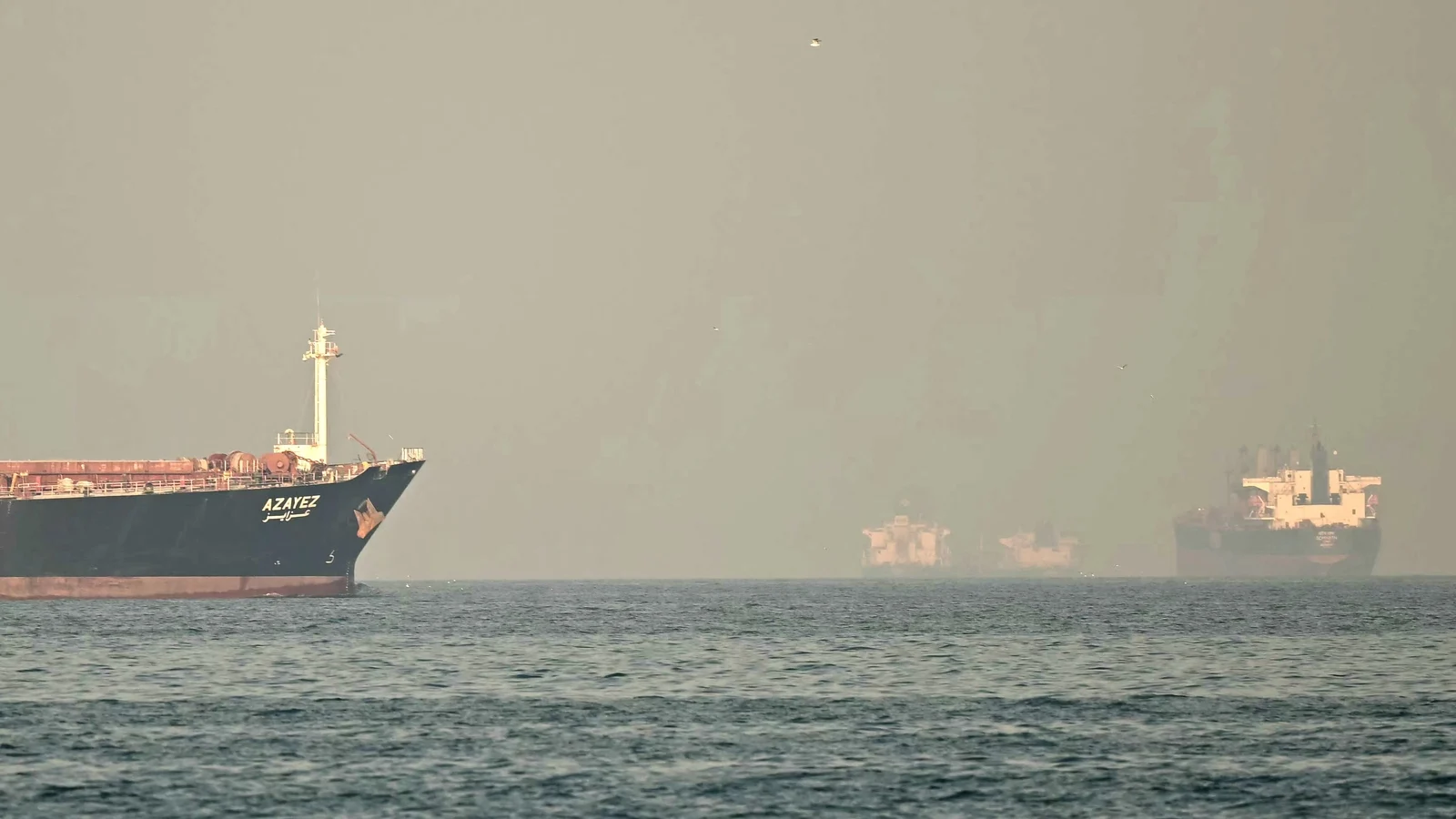
What happens in this narrow strip of water matters to nearly everyone on the planet. The Strait of Hormuz, a choke point just 21 nautical miles at its narrowest, is the artery through which roughly one-fifth of the world’s seaborne oil travels. It is a place where tankers and trawlers, fishermen and aircraft carriers, diplomacy and intimidation meet — and where even a rumor can ripple into markets.
Words and Warnings
In recent days the tone from both Tehran and Washington has hardened. Iran’s Revolutionary Guards issued a stark reminder that they consider the strait under the “smart management” of their navy and warned that any military vessels attempting to approach would be treated as a breach of a fragile, temporary ceasefire. State media relayed the message: non-military ships may pass — under specific rules — but anyone seen as an aggressor will be met “harshly and decisively.”
On the other side, a U.S. administration statement declared it would not tolerate what it called attempts to “profit” from control of the waterway. U.S. Navy ships have been reported transiting the strait to assess and, officials say, to clear mines — a claim Tehran denies. In social media posts and televised interviews, Washington warned that those who fired on peaceful vessels or sought to lay tolls on international shipping risked a forceful reply.
“We don’t want to see the seas become a toll road for one country’s politics,” said a senior U.S. defense official, speaking on condition of anonymity. “Freedom of navigation is not a slogan. It’s a principle that keeps the global economy moving.”
Local Lives, Global Ripples
For the people who live along the gulf, the abstract language of geopolitics acquires a human weight. That’s clear in the markets of Bandar Abbas, where a grocer named Fatemeh pulls a thermos from beneath a pile of dried limes and speaks quietly about rising prices.
“If ships turn back, if fuel delays, we pay at the pump and for bread,” she says. “My brother works at the port — he asked me to keep a little extra food at home, just in case.”
Fears of escalation are already shaping behavior. Iran’s Fars news agency reported that two Pakistani‑flagged tankers bound for the strait turned back; shipowners are re-routing, insurers are recalculating premiums, and global traders are watching oil futures that are quick to reflect even whispered unrest. Analysts note that disruptions here can send reverberations through supply chains: from fertilizer and petrochemicals to plastics and shipping costs.
Facts to Keep in Mind
- Width at narrowest point: approximately 21 nautical miles (about 39 kilometers).
- Share of global seaborne oil trade: roughly one-fifth passes through the strait.
- Economic sensitivity: even short-lived interruptions can lift crude prices and ripple through fuel-dependent industries.
Diplomacy Strained; Ceasefire Fragile
Diplomatic efforts to steady the situation have been tentative. Talks held in Islamabad brought the two sides to the table for the first time in years, but the negotiations ended without a comprehensive agreement. Both delegations said they had presented proposals; both accused the other of failing to build trust.
“We offered confidence-building measures,” said Mohammad, a member of Iran’s parliamentary delegation who declined to give his full name. “But trust is not negotiated in a day. It’s earned.”
International actors have called for restraint. Leaders in Europe urged a continuation of the ceasefire and warned against unilateral moves that could escalate toward open warfare. A Kremlin readout suggested Moscow is willing to help mediate; regional custodians, like Oman, quietly emphasized the need for calm in private conversations.
Experts Weigh the Options
Maritime analysts describe a fraught calculus. “A blockade is not simply a legal maneuver — it’s a signal,” says an analyst at a global security think tank. “Blockading the strait during a ceasefire risks eroding the credibility of the party that imposes it, especially if the world sees it as a disproportionate step.”
Others focus on the practicalities: clearing mines, enforcing a blockade, or interdicting ships in international waters all require clear rules of engagement, and most importantly, a coalition willing to sustain such operations. Without that, any attempt to unilaterally enforce passage could become costly and chaotic.
The Human Dimension
A tanker chief engineer who recently sailed through the Gulf, speaking to me by phone from a container ship anchored off Muscat, described an atmosphere of strained normalcy.
“You learn to watch the AIS [Automatic Identification System], you watch military channel chatter, and you pray for good weather and clear orders,” he said. “The crew’s families ask every day: ‘When will you be home?’”
Those human moments are a reminder that high-stakes geopolitics is not only about maps and strategy; it is about mothers waiting for sons, port workers wondering about their next paycheck, and small business owners budgeting for uncertainty.
What If the Strait Closes?
Pause and imagine: a protracted closure would force tankers to take longer routes around Africa, add days — and millions of dollars — to shipping costs, and potentially lift global energy prices. Industries from agriculture to pharmaceuticals could feel the squeeze as fertilizer and feedstock movements slow down. Central banks and finance ministers would watch carefully for inflationary pressures.
Is such a scenario inevitable? Not necessarily. The international community has mechanisms — diplomacy, back-channel talks, economic levers — that can keep the lines open. But it requires will, patience, and the willingness to de-escalate when headlines demand otherwise.
Where Do We Go From Here?
The Strait of Hormuz is a narrow stage but the show that plays out there will have far wider consequences. The ships that pass beneath its watchful shorelines carry more than oil and goods; they carry livelihoods and the fragile trust that links nations. Will leaders choose confrontation or containment? Will negotiators find texture and nuance where slogans have failed?
“History teaches us that chokepoints can be tamed by cooperation or inflamed by distrust,” a veteran diplomat told me. “We are choosing, every day, which lesson we will honor.”
As you scroll past the headlines, consider this: the cup of coffee you had this morning, the fertilizer that fed your breakfast, the plastics that wrapped your lunch — they all trace a line through that narrow stretch of sea. What kind of world do we want when the map tightens? What costs are we willing to bear for posturing over passage?
In the bazaars and on the docks, people answer those questions with quiet, practical acts: stocking rice, lending a hand, checking the radio. In the capitals, the answers are louder and more consequential. Between the two — between the everyday and the epic — decisions made in the coming days will shape both markets and lives. And in that delicate balance, the Strait of Hormuz remains, unmistakably, the world’s pressure point.