When War Rattles the Lights: Europe’s Emergency Playbook for an Energy Shock
On a cool morning in a Dublin bakery, the radio crackled with news that felt both distant and immediate: a conflict in the Gulf was rippling all the way to European kitchens and factories. The price on the receipt for a loaf of bread wasn’t just about flour and labor anymore—it was a line in a much larger ledger of geopolitics, supply chains and national budgets.
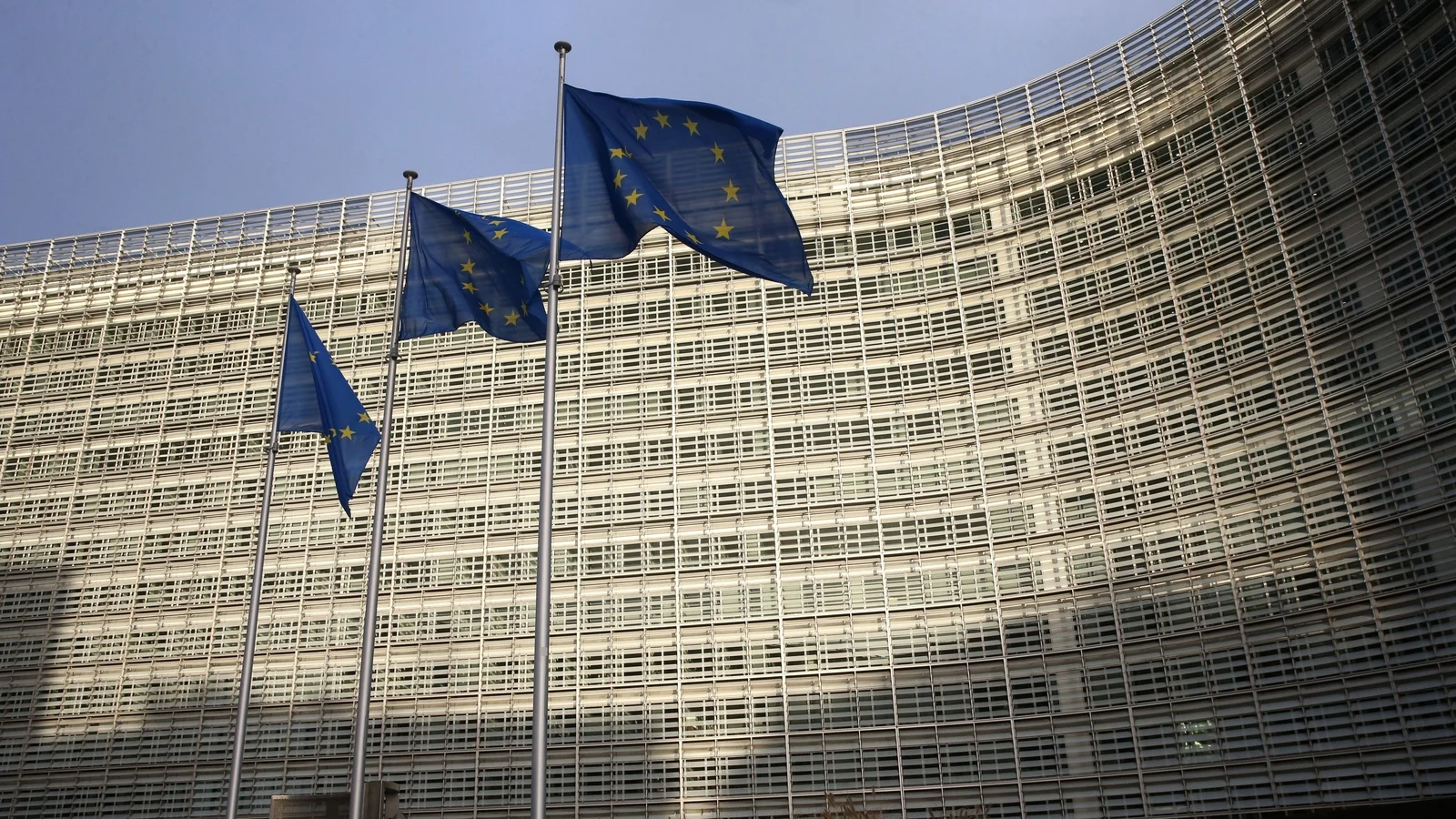
Brussels has answered with a pragmatic, almost surgical set of measures—part stopgap, part structural reform—intended to blunt the short-term pain and push the continent faster toward homegrown energy. The European Commission’s package, announced this week, is equal parts emergency relief and strategic nudge. The goal, officials say, is clear: shield citizens and businesses now, and move Europe closer to energy independence later.
The shock in numbers
The math behind the alarm is stark. Europe’s benchmark gas price jumped by roughly a third compared with the pre-crisis level, pushing import bills higher without delivering a single extra unit of fuel. The Commission estimates that the bloc has spent an extra €24 billion on energy imports since the crisis erupted—money gone not toward more molecules of gas or barrels of oil but simply to cover skyrocketing prices.
And while statistics can be cold, the reality in cities and small towns is warm, immediate, and often anxious. “We’re watching the thermometer as much as the market,” says Aoife Brennan, who runs a guesthouse in County Kerry. “If heating bills climb this winter, tourists cancel. It isn’t dramatic economics for us—it’s survival.”
What Brussels is putting on the table
The package is best understood as a toolbox. Some tools are blunt and fast: temporary state aid flexibilities to cushion households, small businesses and energy-intensive industries; temporary price controls in extreme cases; income support and targeted tax breaks.
- State aid flexibilities: Member states can deploy public funds to protect consumers and firms from the worst price spikes, within guidelines designed to keep such measures temporary.
- Windfall taxation: Governments will be able to further tax unexpected profits made by energy companies to redistribute relief and promote social fairness.
- Targeted tax relief: The Commission says it will work with capitals to develop finely targeted tax cuts that don’t inadvertently boost fossil fuel demand.
- Accelerator EU: A separate push to speed up implementation of existing legislation—boosting cross-border grid sharing, fast-tracking renewables and easing consumer access to green appliances and supplier choice.
- Fuel Observatory: A monitoring hub to track production, imports, exports and stock levels, reducing the risk of panic purchasing and poor coordination between states.
“We must be realistic about the immediate burden on families,” said an EU policy official, speaking on condition of anonymity. “But realism doesn’t mean resignation. These measures are designed to be temporary and targeted, and to accelerate the structural shift away from imported fossil fuels.”
Protection and common sense
One detail that carries a human face is the guidance to prevent disconnections for vulnerable households—no one wants a cold, powerless winter to be the social cost of geopolitical conflict. The Commission is also pushing for simplified switching between suppliers, bolstered consumer protections during the energy transition, and measures that encourage self-consumption and community energy projects.
“If I can sell electricity generated on my rooftop to my neighbour and cut bills for both of us, why wouldn’t we?” asked Miguel Ortega, an electrician-turned-solar installer in Valencia. “That’s community resilience, not charity.”
Coordination, not competition
One implicit lesson from past crises is that panicked national moves can make global problems worse. The Commission is urging member states to coordinate refills of underground gas storage and to avoid competing to buy the same emergency stocks—moves that could ratchet prices even higher.
To this end, Brussels proposes an observatory to give early warning of supply disruptions and to make emergency stock releases more surgical. That plan is meant to prevent the bizarre spectacle of perfectly capable countries bidding up supplies at each other’s expense.
Why the Strait of Hormuz matters
Geography is destiny in energy politics. The Commission and national ministers keep pointing to the Strait of Hormuz—through which roughly a fifth of the world’s seaborne oil transits—as the chokepoint behind many price shocks. “The quickest fix,” Ireland’s foreign minister said bluntly in a meeting this week, “is the war ending and that shipping lane reopening.” But diplomacy moves slowly; policy can move faster.
Voices from the ground
Across Europe, reactions are mixed: relief that policymakers are moving, but frustration that the need for speed collides with bureaucracy. “It’s a necessary package,” said Dr. Elena Rossi, an energy analyst in Milan. “The immediate fiscal measures are important, but the Accelerator package could be transformative if member states implement grid-sharing and permitting reforms fast.”
At a petrol station in Nicosia, a motorist named Andreas shrugged and said, “We’re used to hearing leaders talk about the next crisis. It’s the next winter I worry about.” His eyes flicked to a poster advertising subsidies for electric vehicle chargers—a sign, some say, that the long game is finally visible.
Beyond the emergency: What this could mean for Europe and the world
There is an important paradox at the heart of the Commission’s plan: short-term public support will inevitably prop up demand in the near term, but the measures are explicitly framed to avoid locking Europe back into fossil fuels. That means conditionality—support must be temporary, targeted, and aligned with decarbonisation goals.
What happens next matters far beyond EU borders. Europe importing less fossil fuel would reorder global markets, reduce the leverage of chokepoints, and change the dynamics of diplomacy around the world. Conversely, if coordination fails and states subsidise fossil fuel consumption indiscriminately, the crisis will deepen—and climate goals will grow harder to reach.
Questions for the reader
How should democracies balance immediate relief with long-term decarbonisation? Are windfall taxes fair redistribution or disincentives to investment? And in an increasingly volatile geopolitical landscape, how much domestic resilience should citizens demand from their governments?
These are not abstract debates. The decisions Brussels and national capitals make this season will determine whether families like Aoife’s and businesses like Miguel’s simply weather a storm, or are transformed by it—toward greater independence, or into further dependence on precarious global markets.
For now, the policy toolbox is out on the table. The question is whether Europe has the political will and administrative speed to turn those tools into real heat, light and security for the people they were designed to protect.