When the Strait Went Quiet: Speedboats, State TV and a Chokehold on Global Trade
The footage landed like a movie trailer — only it was being beamed into living rooms in Tehran and onto smartphone feeds around the world. Masked commandos, rifles slung, hurtled alongside a hulking cargo ship in a grey speedboat. They climbed a rope ladder, kicked open a door in the hull, and spilled onto the deck: an image of deliberate theater, framed by the blue-green chop of the Strait of Hormuz.
Iranian state television ran the video without narration and with an almost cinematic soundtrack. For a country already proclaiming control over one of the planet’s most strategic waterways, the clip was both proof and promise: we can close the gate, and we will.
What Happened — In Plain Sight
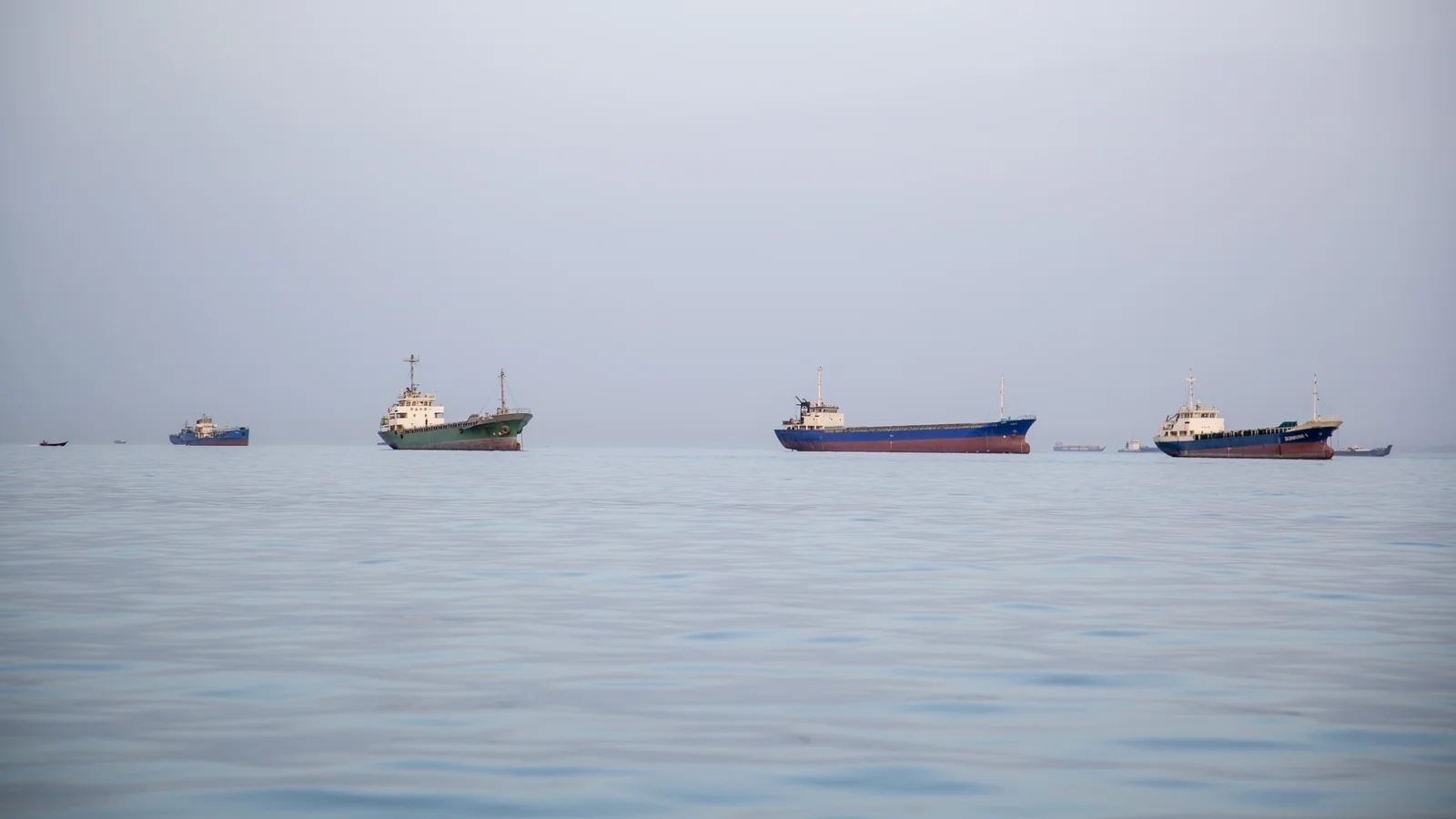
Iran says its commandos seized two merchant vessels that tried to transit the strait without permission. The ships named in state footage — the container ship MSC Francesca and another freighter, Epaminondas — were shown under the control of Iranian personnel. Authorities accused the crews of breaching newly imposed rules and said the vessels had “faced the law.”
Parliamentary leaders followed up with another bold claim: Tehran announced it had begun collecting a toll on ships passing through the strait and that initial revenue had been transferred to the central bank. Details about how much, from whom and under exactly what legal authority were, for now, thin to non-existent.
Images and Implications
The visuals matter. For years, the Strait of Hormuz has been a nervous line on world maps — about 21 million barrels a day of crude and liquefied natural gas typically pass through there, roughly one-fifth of the world’s seaborne energy shipments. When a nation shows it can board a commercial vessel in that choke point and control movements, markets and diplomats pay attention.
“This was signaling more than law enforcement,” said Dr. Lina Haddad, a maritime security analyst who studies straits and chokepoints. “It’s a strategic demonstration: control the world’s arteries and you have bargaining power beyond your borders.”
Life in the Gray Zone: Voices from Tehran and the Coast
Back in Tehran, reaction is a string of apprehension and defiance. The city’s Revolution Square displayed a massive billboard reading — in bold Persian — “The Strait of Hormuz Remains Closed.” Underneath, crowds and traffic flowed as they always do, but conversations carried a different gravity.
“This isn’t ordinary life,” said Arash, a 35-year-old civil servant who asked to be identified by his first name. “For six weeks we lived under bombardment, then a ceasefire, then uncertainty. Now it feels like a pause that could snap. You can’t plan a future when you wake up thinking an attack might start.”
On the southern islands, where fishermen know the currents and coves intimately, the reaction was practical and immediate. “We see speedboats sheltering in sea caves,” said Captain Abbas, a 52-year-old fisherman near Qeshm, speaking by phone. “They come out at night. It’s tense — nobody wants to be caught between navies.”
A Pakistani diplomat, who spoke on condition of anonymity, described Islamabad’s delicate role: Pakistan had hosted the only round of peace talks and was trying to keep channels open after the last-minute collapse of follow-up negotiations. “Both sides still pick up our calls,” the diplomat said, “but neither has committed to meeting. That’s the current reality: plenty of words, little movement.”
Global Ripples: Markets, Shipping and Military Chess
When the Strait is blocked, the global implications are not hypothetical. Energy traders watch the channel like a hawk because a shutdown can jack up oil and LNG prices overnight. Insurance premiums for tankers spike. Shipping companies reroute around Africa’s Cape of Good Hope, adding weeks and millions of dollars in fuel and fees to a single voyage.
Already, shipping and security sources report that the US military has intercepted at least three Iranian-flagged tankers in Asian waters and redirected them away from ports in India, Malaysia and Sri Lanka. Washington has also kept a naval presence near the strait and announced mine-sweeping operations.
On social media, the American president claimed — without offering evidence — that the US has “total control” of the strait and that it was “sealed up tight” pending a deal with Tehran. Earlier posts ordered the Navy to “shoot and kill” any vessel laying mines. The rhetoric is sharp; the choreography of actual sea control is messy and dangerous.
Numbers That Matter
- Roughly one-fifth of global seaborne oil and LNG flows through the Strait of Hormuz in normal times — about 20–22 million barrels per day in recent years.
- International monitors estimate Iran’s stock of highly enriched uranium at more than 400 kilograms — a fact Tehran’s adversaries point to when arguing for pressure and Tehran’s supporters present as a sovereignty issue.
- Delays and detours around Africa add thousands of nautical miles and can push freight costs up by tens of percent for some routes.
Diplomatic Backdrop: Talks Cancelled, Trust Degraded
Only days earlier, a tenuous ceasefire had held after an intense period of bombardment and loss of life. Peace talks in Pakistan, meant to build on the truce, collapsed at the last moment. Tehran says it will not reopen the strait until Washington lifts a blockade of Iranian shipping — a measure the US says it imposed to enforce its own aims and which Tehran calls a truce violation.
“You did not achieve your goals through military aggression and you will not achieve them by bullying either,” Mohammad Baqer Qalibaf, Iran’s Parliament Speaker and head of its negotiating team, wrote on social media. “The only way is recognising the Iranian people’s rights.”
Diplomats fret that the diplomatic toolbox is shrinking. Pakistan’s outreach can help keep lines open, and other countries may try shuttle diplomacy, but the basic condition for talks — trust that agreements will be honored — looks in short supply.
What Comes Next? A Dangerous Game of Patience
There is no easy off-ramp. Iran says the strait will remain effectively closed except to Iranian vessels until the blockade of its shipping is lifted; the US insists on maintaining pressure. Naval assets from several countries are shadowing each other in the region; mine warfare — a low-cost but high-risk tool — remains a fear.
“This is brinkmanship,” said Captain James Mercier, a retired naval officer turned security consultant. “One misstep, one misidentified trawler, one wrong radio call, and this could escalate in ways no one wants.”
And while capitals argue over sanctions, patrols and legalities, ordinary people live the consequences. Shopkeepers in Tehran worry about supply chains. Fishermen fear being drawn into operations they don’t understand. Shipping companies reroute at cost, and consumers far from the Gulf might feel it at the gas pump weeks from now.
Closing Questions
So where does that leave us, the global onlookers whose energy bills and economic fortunes are quietly governed by a strip of water between Iran and Oman? Are we witnessing a new kind of 21st-century sieging — a digital and maritime control of chokepoints — or an episodic geopolitical theater that will fade back into uneasy normalcy?
These are not simple yes-or-no questions. They demand policymakers and publics alike ask tougher ones: What price are we willing to pay to keep sea lanes open? Whose rights matter when they intersect on the water? And how do we build durable trust when every message is amplified and every mistake can be fatal?
Whatever the answers, one thing is clear: the Strait of Hormuz is not merely geography. It is a living artery of global trade and human lives, and it has become, for now, the world’s most consequential flashpoint. Watch the horizon — and ask yourself what you would do if the waterway that carries the fuel for your life went dark.