A Narrow Waterway, a Wide World on Edge
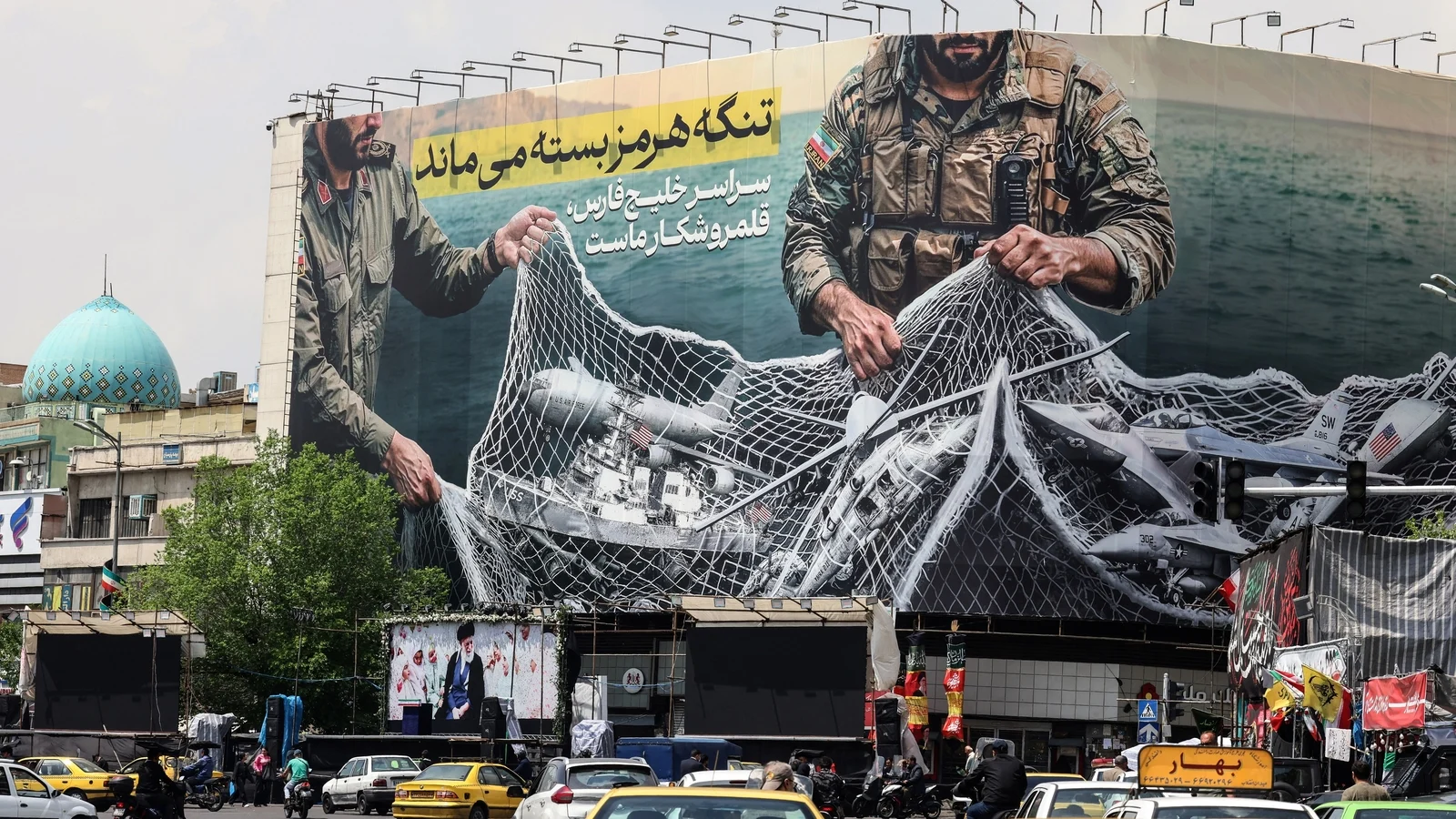
On a sun-silvered morning where the Persian Gulf squeezes into the Arabian Sea, the Strait of Hormuz feels impossibly small and heartbreakingly consequential — a narrow throat through which a fifth of the world’s oil once flowed with clockwork regularity, and now a chokepoint in a conflict that has spilled far beyond its waters.
Imagine being a fisherman in Bandar Abbas: your boat tied to a wooden pier, tea cooling in a chipped glass, as navy vessels loom on the horizon and maritime traffic that used to hum like a highway has ground to a halt. “We used to count the tankers like migrating birds,” an old skipper tells me, voice roughened by wind and worry. “Now you count empty days.”
Ceasefire, Confusion and a Sudden Retreat
What was meant to be a fragile pause in violence has become a tangle of competing claims. A two-week ceasefire — brokered tentatively weeks ago — arrived at its scheduled expiry this week with no clear renewal on the table. Then, in a move that surprised allies and adversaries alike, US President Donald Trump announced that the United States would indefinitely call off planned attacks and extend the truce while mediators — reportedly Pakistan — prepared a proposal for talks.
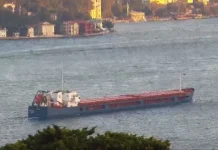
Hours later, the scene on the water hardened. Iran’s Islamic Revolutionary Guard Corps (IRGC) announced it had seized two commercial ships, escorted them to Iranian shores and accused them of operating without permits and tampering with navigation systems. Shipping companies identified the vessels as the Liberia-flagged Epaminondas and the Panama-flagged MSC Francesca. A third container ship, also Liberia-flagged, was reportedly fired upon but continued sailing.
It was a jolt: from talk of talks to seizures in a matter of days, a reminder that diplomacy and force are tripping over each other in real time.
Voices from the Gulf
“They told us to keep clear,” a port worker said, glancing at navy launches crisscrossing the strait. “There’s fear, but it’s not just fear of bombs — it’s fear of losing livelihoods.”
From Washington, a White House spokesperson described the seizures as “acts of piracy,” arguing that because the ships were not US or Israeli, they did not violate the ceasefire terms. From Tehran, Iran’s parliament speaker and chief negotiator, Mohammad Baqer Qalibaf, insisted a true pause in hostilities hinges on lifting the US naval blockade — an action Iran regards as an act of war.
The Blockade, the Bargain and the Big Picture
The blockade, as the US military has presented it, involves directing vessels away from Iranian waters; more than 30 ships have reportedly been ordered to turn back or seek port. Beyond the Gulf, US forces have intercepted at least three Iranian-flagged tankers in Asian waters, according to maritime sources, redirecting them away from positions near India, Malaysia and Sri Lanka.
Those maneuvers matter in living rooms and boardrooms around the planet. Brent crude climbed back above $100 a barrel this week — a signal flare for economies that rely on cheap, predictable energy. Freight rates spike, insurance premiums soar, supply chains buckle; for nations already wrestling with inflation and political instability, the consequences are immediate.
Where Peace Talks Stalled
Pakistan has emerged as an informal intermediary, trying to convene talks that could reset a conflict which, according to most observers, began in earnest on 28 February with coordinated US-Israeli strikes. An initial Islamabad session produced no agreement. When both sides failed to show for subsequent tentative talks before the ceasefire’s expiry, mediation frayed.
“Diplomacy needs patience and presence,” said a veteran Pakistani envoy familiar with the discussions. “As long as one side treats negotiations like a parlor trick, no one will commit.”
Human Toll and Regional Ripples
On the ground — or the sea — statistics become human stories. Thousands have died in the broader Middle East confrontations, particularly in Iran and Lebanon, where Hezbollah entered the fray alongside Iran. The violence has fractured communities, displaced families and eroded the fragile trust that diplomats are now trying to stitch back together.
In Beirut, shops shutter during midday as residents keep an anxious eye on the horizon for air raid sirens; in coastal villages in southern Iran, mothers whisper prayers and count sons who have not yet returned. “You cannot measure grief with a ledger,” a humanitarian worker in the region says. “But you can see it in empty classrooms and folded blankets.”
Legal Gray Zones and Strategic Logic
International law provides some guardrails: attacks on civilian infrastructure would likely violate humanitarian norms, and blockades carry legal and ethical ramifications. Still, in a conflict brewed of state rivalry, proxy strikes and maritime interdictions, legal arguments often arrive after the fact, when lives and commerce have already been upended.
Analysts warn of a slippery slope. “When choke points are weaponized, global markets become collateral,” a maritime security expert told me. “The strategic logic is to impose pain: economic, psychological, political — hoping to extract concessions. The calculus now is whether that will push either side to the table or push them further apart.”
Local Color: Everyday Life at the Edge of Conflict
Walk through the bazaars of a coastal city and you’ll hear the everyday textures of life under strain: shopkeepers trading whispered updates over steaming samovars, children playing among crates of fish while elders debate the next move of foreign fleets on tiny transistor radios. Every conversation folds geopolitics back into the domestic: the price of flour, where the next job will come from, whether a son can still enroll at university abroad.
“You talk about great power games,” says a tea seller who’s kept his shop open through air raid warnings and commodity shocks. “But to us, it’s about breakfast tomorrow. We want peace like we want rain.”
Questions to Carry Forward
As readers far from the Strait of Hormuz scroll headlines and trade futures tick upward, ask yourself: what does it mean when a single narrow waterway can unsettle the global economy? How should the international community respond when ceasefires are proclaimed by one capital and denied by another? And crucially, what is the price of normalizing a reality where commercial ships become pawns?
For now, the strait remains a vivid symbol — of vulnerability, of leverage, of the startling ways local acts resound globally. The next days will tell whether the tentative diplomacy being cooked up in Islamabad and elsewhere can translate into a durable halt, or whether the region will drift back toward escalation. In that uncertainty, ordinary lives — fishermen, port workers, families at home — continue to bear the cost.
Final Thought
When history writes this chapter, it may fix on names and dates, on statements from presidents and parliaments. But the truest archive will be quieter: a fisherman cleaning his net, a tea seller locking up his kettle, a child asking why ships have stopped passing like migrating birds. Those moments carry the human ledger of conflict — and they are the reason that, in the end, diplomacy must find its way back to the water’s edge.