A Mediterranean morning that changed the map: the EU’s €90 billion pledge and a new squeeze on Moscow
The air over Cyprus smelled of citrus and salt when the convoy carrying Ukraine’s president rolled into the capital. Sunlight hit the ancient stones of Nicosia as if nothing of the past three years had happened, and yet on this warm spring morning the future felt remarkably heavy — heavy enough to be measured in billions.
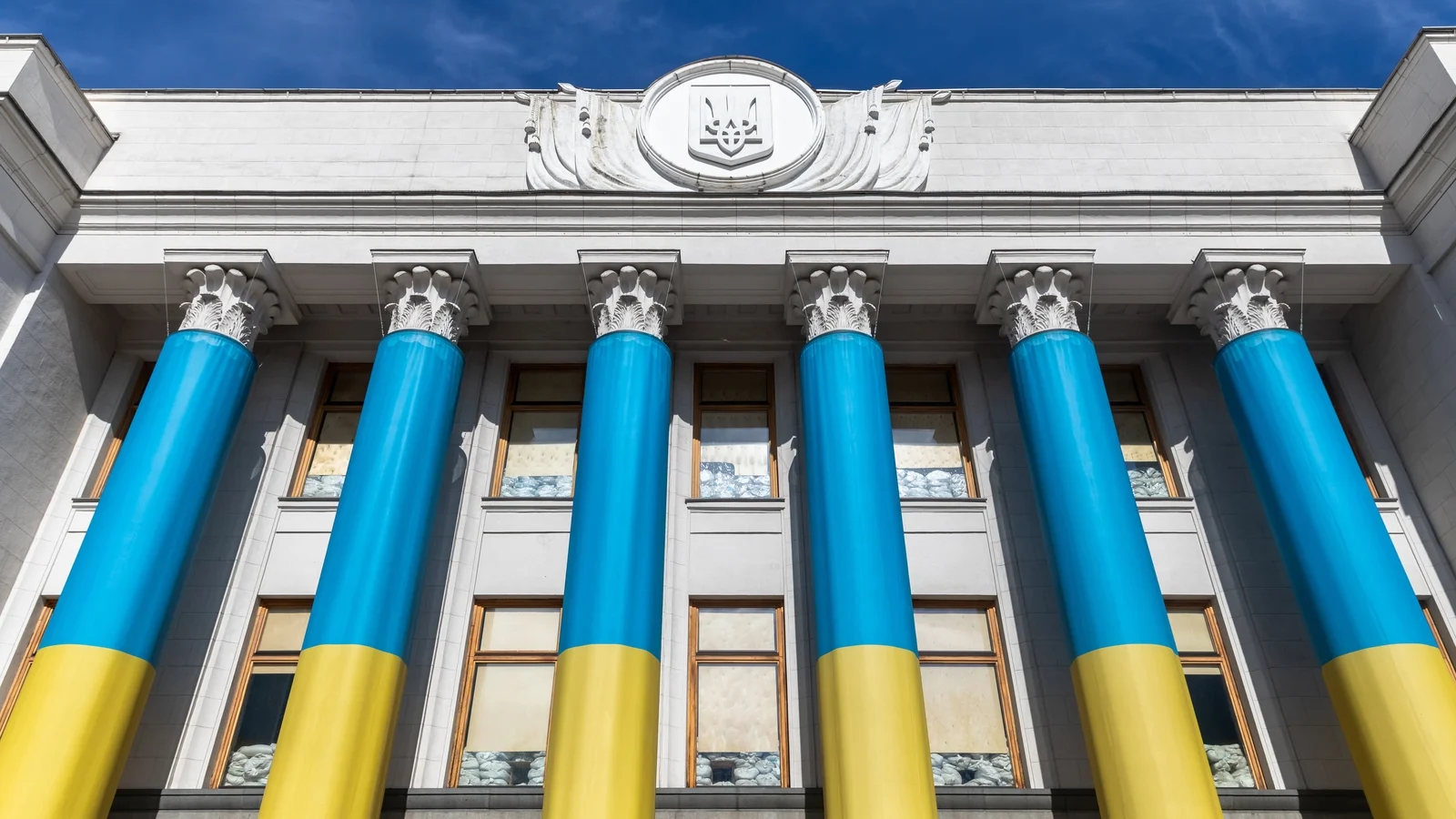
In a decisive move that will be cited in policy debates for years, the European Union formally approved a promised €90 billion loan to Ukraine and signed off on a fresh package of sanctions targeting Moscow’s war machine. The decision, made official by the EU’s rotating Cypriot presidency, punctures a long-running impasse and signals that, after months of tense negotiations, the bloc has chosen a clear path: double down on Kyiv while ratcheting up pressure on the Kremlin.
What the package means on the ground
Put plainly, this is one of the largest single financial commitments the EU has made to a neighbouring country at war. The €90 billion lifeline is intended to shore up Ukraine’s state finances, keep public services running, sustain critical infrastructure repair, and support the economy through the winter months and into recovery planning. Officials say the money will not be a simple cash transfer but a carefully calibrated loan package with disbursement tied to oversight and benchmarks.
At the same time, the state-of-the-art sanctions bundle looks to squeeze sectors central to Russia’s war economy — from finance and supply chains to key export channels. “This is not symbolic theatre,” said Elena Marković, a Brussels-based analyst with a European security think-tank. “It’s a multi-pronged effort to make continued military aggression more costly and more logistically difficult.”
How Europe got here
The vote was only possible after Hungary lifted a blocking veto that had stood for months — a reminder that EU foreign policy still depends on unanimity and that one member state can slow or halt the collective will. Once that barrier fell, ambassadors moved quickly, and by the time leaders convened in Cyprus the paperwork was stamped and the cameras were rolling.
“Our strategy rests on two pillars: strengthening Ukraine and increasing pressure on Russia,” an EU official told reporters, encapsulating the logic behind the package. The imbalance in bargaining power is meant to be reversed: bolster the defender while shrinking the resources available to the aggressor.
Voices from the capital — Cyprus as host, and witness
Cyprus, sun-drenched and diplomatic, played host to this high-stakes moment. At a café steps from the presidential palace, I met Maria, a 63-year-old owner who has watched her island host summit after summit. “We’re used to protocols and power lunches,” she said, pouring coffee into small white cups. “But you could feel it today. People stopped to listen. Even here, it feels like history is being decided.”
Outside the meeting venue, Ukrainian flags fluttered beside EU banners. A small group of refugees — women and children mostly — gathered quietly. “The money means schoolbooks for my son and wages for the teachers,” said Oksana, who arrived in Cyprus last year. “It is not just numbers to us. It is hope that someone will help put our lives back together.”
Meanwhile, a senior diplomat, who asked not to be named, described a different kind of tension — bargaining over strings attached to the money, accountability mechanisms and the political optics of funneling such a large sum to a country at war. “We had to get the balance right between urgency and governance,” they said. “Throwing money without safeguards breeds corruption; being too cautious risks failing the people who need it most.”
Numbers that anchor a narrative
To make sense of €90 billion: it is a figure larger than many EU member states’ annual budgets and one that signals long-term engagement rather than a short-term loan. Since the full-scale invasion, EU institutions and member states have mobilised tens of billions in military, humanitarian and budgetary support — numbers that add up to an unprecedented peacetime outflow toward an external partner.
Analysts note another metric: the strain on Russia’s revenues. Over the past year, the Kremlin’s export receipts have been squeezed by sanctions, insurance and transport complications, and tighter restrictions on financial flows. “We are not saying Moscow will run out of options overnight,” said Marco Ruiz, an economist specialising in energy. “But every sanction chip away at the margins the war economy depends on.”
Why this matters beyond Europe
Ask yourself: what does a stable, sovereign Ukraine mean for the global order? It touches everything from grain supplies in distant markets to the future of international law. If Ukraine stabilises and eventually rebuilds, it will restore a critical linchpin in global food and raw-material supply chains. If the war grinds on unchecked, the ripple effects — inflation, migration, geopolitical realignments — will enter more countries’ domestic politics.
The Cyprus decision also illuminates another trend: the fracturing but functional nature of international cooperation. Unanimity may be imperfect and slow, and domestic politics cranks noise into the system, but when leaders are pressed they can still deliver a coordinated response. That has implications for climate action, global health crises and other transnational challenges.
Questions the money doesn’t yet answer
Even with the loan and sanctions in place, critical questions remain. What will a just and lasting peace look like? How will reconstruction be managed to avoid repeating mistakes from other post-conflict rebuilds? Who will decide which towns are rebuilt first, and whose histories are memorialised?
“Money can pave a road and fix a hospital,” said Dr. Leyla Hadad, a humanitarian expert. “But true recovery needs institutions and trust. That’s slower. That’s the challenge Europe is now signing up for — for years, not months.”
Final thoughts — an invitation to reflect
Walking away from the conference hall as dusk fell, I watched the Mediterranean turn dark and the lights of the city blink on. Decisions that began in negotiation rooms will soon touch the lives of teachers, farmers and the thousands rebuilding homes from rubble. They’ll also play out on global markets, in parliaments, and at kitchen tables from Lisbon to Lagos.
So I leave you with this: what kind of long-term partnership do we want Europe to be with its neighbours? Is it a donor-recipient relationship, a partnership of equals, or something in between? The €90 billion is a big answer — but the conversation about what comes next is just beginning. Will you listen?