When Ice Became Stage: How a Frozen Drake Stunt Turned Downtown Toronto into a Thrum of Chaos and Curiosity
It started like a scene from a music video: a hulking crystal-blue sculpture, lit from within, etched with the promise of a secret only true fans could unlock. It sat like a glacier plunked in the middle of the city, gleaming under the sodium lights and drawing people like moths to a flame. By evening, what had been a slick publicity ploy had become a public-safety problem — and a surreal Toronto moment, equal parts carnival and confrontation.
The sculpture and the pull
The installation, crafted to promote Drake’s new record Iceman, was advertised as a riddle in ice: a release date sealed within the frozen blocks. Word spread quickly — social feeds lit up, groups formed, and hundreds of people converged on the site. Some climbed, others tried to chip at the ice. A few, according to onlookers, even showed up carrying tools as if on a mission.
“I came down with a few friends because, honestly, who would miss a Drake mystery?” said Laila, a 24-year-old student who waited in the crowd. “It was electric. People were cheering, trying to see inside. Then it just got… unruly.”
That electric energy is familiar to Toronto. The city of nearly 3 million people is Drake’s hometown and, in many ways, his stage. Aubrey Drake Graham has woven his identity into Toronto’s cultural cloth — references to neighbourhoods, names, and skyline have long been a thread in his music. So when something that promised an intimate reveal landed in a public square, it was always going to feel like a hometown event.
From stunt to public hazard
What began as curiosity escalated into risk. Firefighters were called after officials grew concerned that the crowd — which had swelled into the hundreds — posed a danger. Photos and videos from the scene showed people clambering on the sculpture and, alarmingly, attempts to break pieces away. A few witnesses said someone produced a sledgehammer; others reported the use of flammable liquids to speed the melt.
“We’re here to keep people safe,” said one firefighter at the scene, speaking to the crowd as crews carefully took the sculpture apart. “When structures aren’t engineered for climbing and aren’t supervised, they become hazards. We don’t want anyone injured.”
Mayor Olivia Chow thanked both police and fire crews for their presence, acknowledging the excitement while stressing safety. “I can understand why fans are excited, so they want to go and find out what is that date, because that’s what he said is in there,” she said, with a tone that mixed patience and civic concern. “Drake supports our city.”
The moment of reveal — and the aftermath
Eventually, amid the chaos, someone located a blue folder inside one of the ice blocks. It contained the long-sought date: 15 May. Drake later confirmed the detail in a post on his Instagram account, turning the makeshift excavation into a fully staged accomplishment for fan lore.
“It felt like opening a time capsule,” said Marcus, a line cook who watched the folder be produced. “We all yelled. But then you realized people could’ve been hurt in the scramble. That dampened the high.”
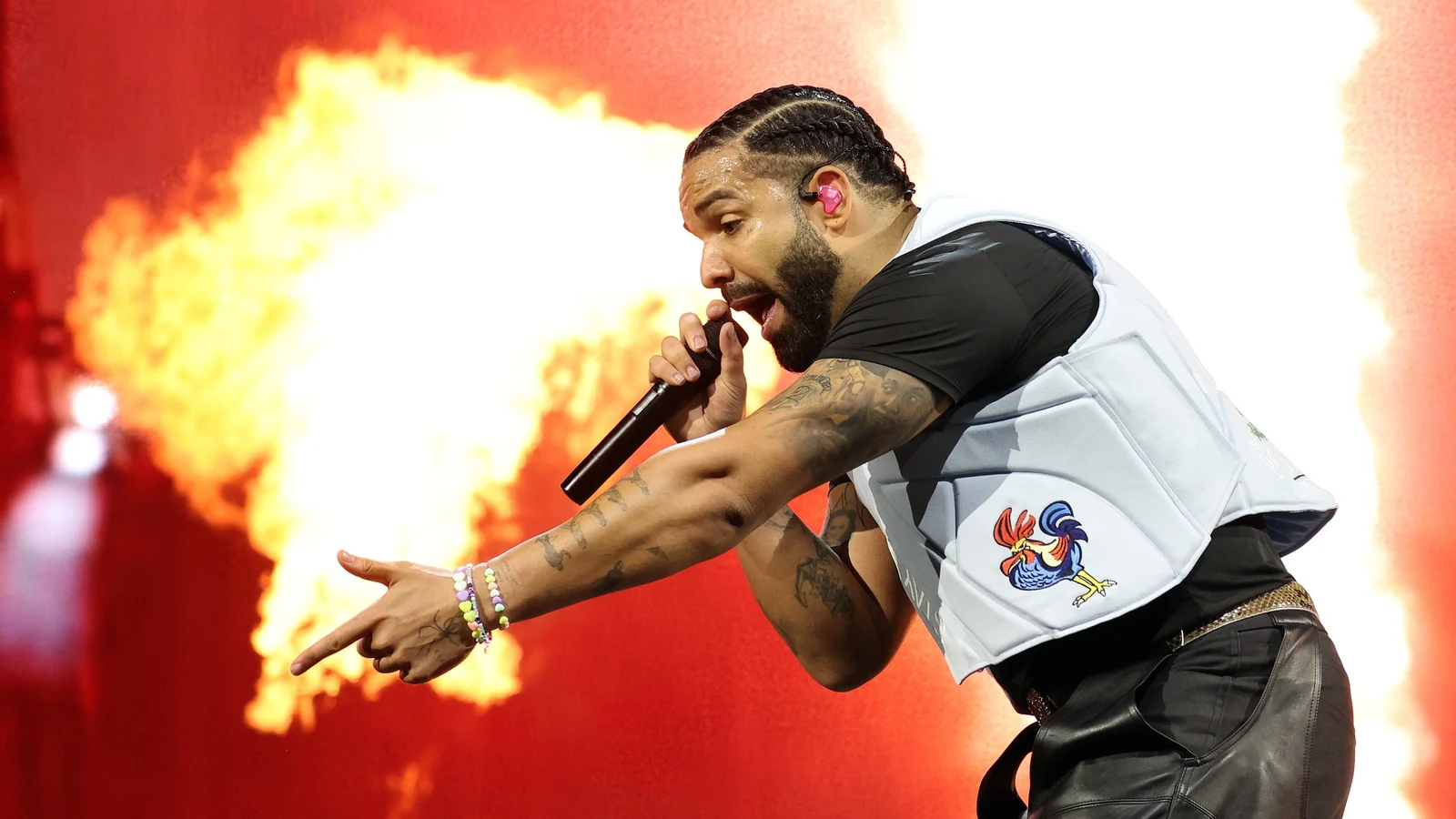
The album Iceman will be Drake’s first solo full-length outing since 2023’s For All the Dogs. For fans, the reveal was a victory. For city officials and emergency personnel, it was a reminder that performative spectacle in public spaces needs more guardrails than an Instagram caption.
Why this mattered beyond fandom
At first glance, the story is an easy one: celebrity teases fans; fans respond wildly. But sit with the details, and it becomes a mirror reflecting broader trends.
- Marketing as event: In the streaming era, attention is currency. Artists and labels increasingly turn to physical stunts to break through the noise. From pop-up shops to elaborate installations, the goal is to manufacture moments that go viral. But virality is messy — and unpredictable.
- Urban commons under pressure: Cities are living rooms for millions. Toronto streets and squares are used for protests, markets, concerts, and spontaneous gatherings. When commercial stunts occupy those spaces, municipal services must adapt on the fly.
- Public safety vs. spectacle: Emergency services must balance a city’s vibrancy with safety obligations. In 2023 and 2024, a number of high-profile public events worldwide forced officials to rethink crowd management. Toronto’s intervention was a pragmatic if unspectacular response.
Voices from the street
Not everyone saw the incident through alarmed eyes. “It felt like a block party that got a bit wild,” said Jorge, a barber who stepped out of his shop to watch. “People were laughing, filming, making content. That’s the city now — lived experience and performance mixed.”
Local business owners expressed a mix of irritation and opportunity. “Foot traffic was insane for two hours,” said Nina, who runs a café two blocks away. “We sold double the pastries. But the litter and the yelling? Not great. We support art, but we need order.”
For cultural observers, the episode underscored the tight relationship between celebrity culture and civic life. “This isn’t a new phenomenon,” said Dr. Priya Sethi, a sociologist who studies fan communities. “But the stakes are higher when physical stunts intersect with public space. Fans feel ownership. Cities must protect both the people and the integrity of shared spaces.”
Big questions — and a little irony
What does it say about modern fandom when people are willing to risk safety for an ephemeral scoop? What does it say about urban governance when cities must improvise policing for celebrity-driven flash mobs? And, yes, what about the image of people trying to melt ice in the name of music at a time when conversations about climate and conservation are urgent?
There’s a sharper irony here: an ice sculpture — a fragile, transient object — turned into a battleground for permanence (the release date) and identity (claiming proximity to a cultural icon). The spectacle highlighted how quickly public spaces can pivot to serve commercial narratives — and how quickly those narratives can fray when human behavior meets structural risk.
Where we go from here
City officials say they will review permits and safety plans for future installations. Public safety professionals are already urging promoters to coordinate with local authorities and craft installations that discourage climbing and dangerous tampering.
As for the fans, the reveal is now part of Drake lore. The blue folder, the shouts, the makeshift excavation — these are the kinds of small scenes that become myth in online communities. They’ll be clipped, memed, and referenced in songs and tweets for months. But the physical risk — the potential for an injured bystander or a property claim — lingers in the background, a sober aftertaste.
So here’s a question for you: when entertainment spills into public life, who should set the rules? The artist? The city? The crowd? Or should there be clearer, enforceable standards for events that merge marketing and the commons?
In the end, Toronto’s firefighters did what they always do: they put public safety first. The folder was found, the date announced, and the crowd dispersed. But for a city that wears its cultural bona fides proudly, the scrape left by the stunt is a reminder — small, human, and instructive — of how fragile the line is between celebration and chaos.