When the World’s Larders Go Quiet: A Year of Hunger Concentrated in Ten Countries
Imagine walking into the market at dawn and finding the shelves half-empty, prices pinned to the ceiling, and the familiar rhythms of planting and harvest interrupted by noises that have nothing to do with weather: the drone of conflict, the hiss of sanctions, the grind of global supply chains stalling. That is the reality the latest UN-backed Global Report on Food Crises paints—a world where three-quarters of the people facing acute hunger live in a handful of places, and where the reverberations of war and climate change are forging a new normal.
The map of need
The numbers are stark. Roughly 266 million people across 47 countries and territories experienced high levels of acute food insecurity in the last year—a figure nearly double the share recorded just a few years earlier. Two-thirds of those facing crisis were concentrated in only ten countries. And one-third were in Sudan, Nigeria and the Democratic Republic of Congo alone.
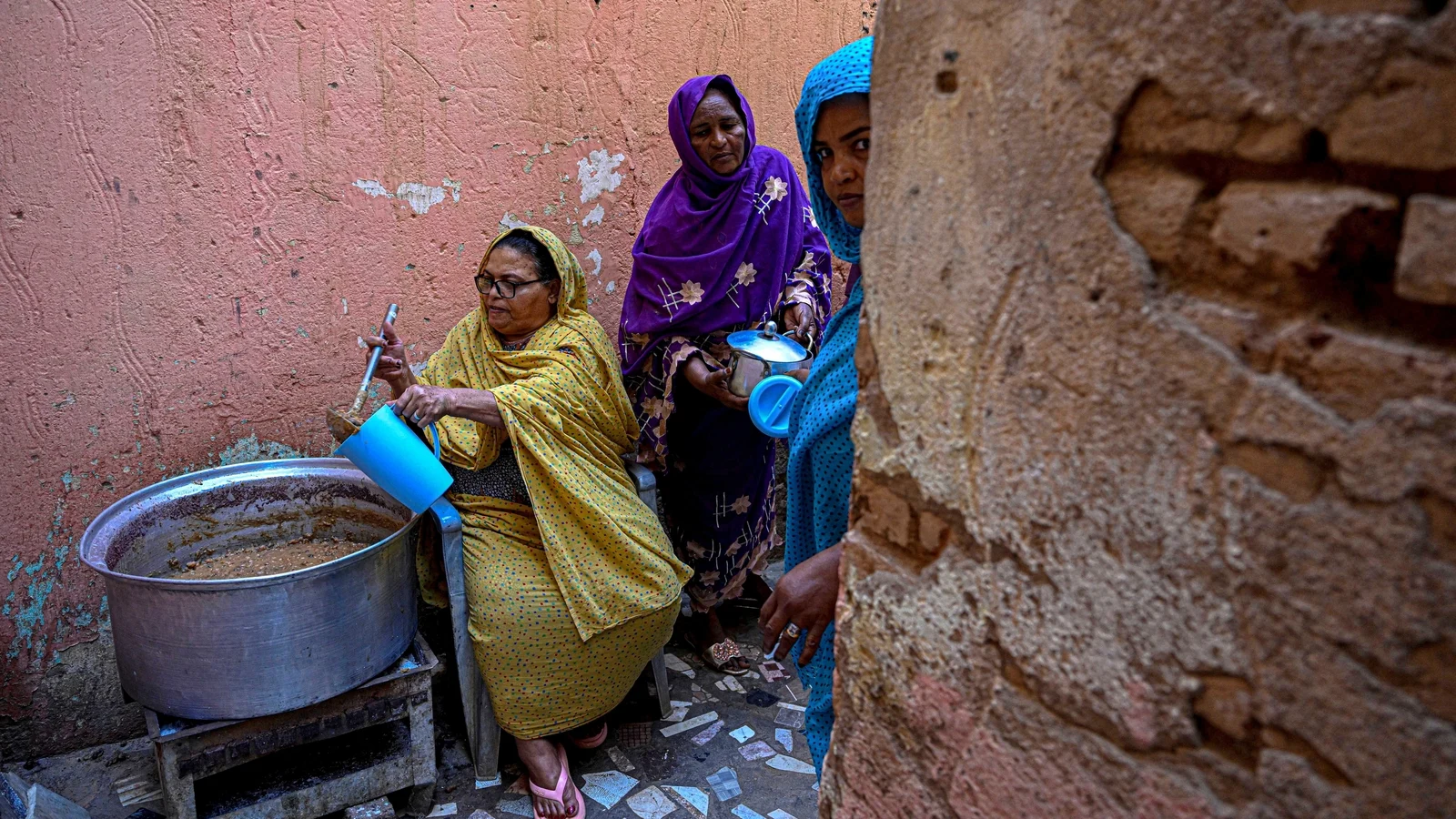
These ten countries—Afghanistan, Bangladesh, the Democratic Republic of the Congo, Myanmar, Nigeria, Pakistan, South Sudan, Sudan, the Syrian Arab Republic and Yemen—are, in the language of the report, where the world’s emergency food needs are most compressed. But behind each name on the list lies a patchwork of towns and villages, marketplaces and mud tracks, where people navigate hunger with resilience, improvisation and, too often, desperation.
Conflict is still the main driver
For many of these countries, conflict remains the root cause: it uproots families, disrupts harvests, breaks supply chains and deters the very investments that would build resilience. This isn’t abstract. When a road is mined or a market repeatedly shelled, farmers can’t sell their crops. When schools and clinics close, communities lose more than services—they lose stability.
“When the guns speak, the soil falls silent,” said a humanitarian worker who has spent a decade in eastern Africa. “You can’t build a season if people are running for their lives.”
Two famines in a single year: a grim milestone
In the report’s tenth edition, an alarming note: for the first time it confirmed famine in two separate contexts within the same year—parts of Gaza and parts of Sudan. Famine is the rarest and most extreme category of food insecurity, defined by catastrophic hunger and mass mortality. To see it confirmed in two places in one year is to face how multiple crises can spiral and overlap.
It also signals the contagious nature of food shocks. A conflict in one corner of a region can send commodity prices up, displace people into neighboring zones already stretched thin, and force humanitarian agencies to stretch finite funds across more fronts.
Planting season under threat: fertiliser, fuel, and the high cost of disruption
Another throughline in the report is the knock-on effect of geopolitical disruption on farming inputs. Since the disruption of shipping lanes like the Strait of Hormuz and volatility in energy markets, prices for fuel and fertiliser have surged. Fertiliser production itself is energy-intensive; when oil and gas costs spike, so does the price of the very inputs that smallholder farmers depend on to coax yield from tired soils.
“Now we’re in planting season,” Alvaro Lario, head of the International Fund for Agricultural Development, said, echoing what field teams see with their own eyes. “This current food shock—both with energy prices going up and also fertilisers going up—I think it’s going to have a massive impact in terms of production.”
He’s not alone in sounding the alarm. Agricultural economists warn that reduced access to fertiliser and higher fuel bills for irrigation and transport will likely depress yields in vulnerable regions and raise food prices for urban consumers who are already paying more for basics.
Voices from the field
Walk into a market in Maiduguri, northeastern Nigeria, and the social texture of the crisis is visible: women weighing out smaller portions of grain, stallholders haggling over what used to be cheap staples, children watching the transactions with the impatience of hunger.
“We had rain this year,” said Amina, a market vendor who asked that her last name not be used. “But the fertilizer was too expensive. My brother could not afford enough, so our harvest was small. We ration now—sometimes there is only one meal a day. You learn to count days differently.”
In a farming village in Sindh province, Pakistan, an older smallholder named Bashir described the sense of worry as a tide that never really recedes. “When the rains fail, we borrow. When the prices rise, we sell our animals. You sell a goat today to buy seed for tomorrow, but who will buy your seed from you?”
These are echoes of a broader trend: small-scale farmers and the rural poor are particularly exposed to cascading shocks, yet they also hold many of the keys to solutions—local knowledge, adaptive crops, communal irrigation systems and nimble supply networks.
Paths toward relief and resilience
The report—and the officials responding to it—point to a mix of immediate humanitarian needs and longer-term strategies.
- Scale up emergency food assistance where famine risks persist, while keeping corridors open for humanitarian access.
- Invest in climate-resilient seeds, water-efficient irrigation and localized fertiliser production to reduce dependence on volatile global markets.
- Support local private sector investment to create sustainable services and inputs for farmers rather than relying solely on external aid.
“Creating the instruments and incentives for the local private sector is a very important way of making that sustainability and that development money go a longer way,” an IFAD official told field partners. The point is pragmatic: external aid can plug holes, but local markets repair the roof.
Why this matters to the rest of the world
It might be tempting to relegate these crises to distant maps and statistics. But rising food insecurity has global consequences: it fuels displacement and migration, strains neighbouring countries’ systems, inflames political tensions and can even stoke conflict. In a tightly connected world, shortages in one region can ripple across supply chains and markets thousands of miles away.
So there’s a moral argument and a pragmatic one. Helping communities preserve the next planting season is not simply charity—it is an investment in global stability. It is also an investment in human lives: the farmer who keeps a field alive this year can feed a family next year; the market that remains open provides a lifeline for an entire town.
Questions for reflection
What kind of global response would we call adequate if the world faces overlapping famines? How do we balance emergency aid with the long, patient work of building climate resilience and local economies? And what responsibility do wealthier nations bear when their trade routes and energy policies amplify shocks in fragile states?
These are not hypothetical exercises. They are urgent conversations about policy, compassion and common sense—about the kind of world we want to inhabit and leave behind.
Closing: a call to action
There are no quick fixes. But there are concrete moves that can blunt the worst outcomes: preserving humanitarian funding, prioritising smallholder support, encouraging local fertiliser and input production, and keeping trade routes and supply chains open. And there is another imperative: to listen to the people living these realities—the farmers, market vendors and mothers who measure their days in mealtimes.
“We farmers can recover if we have seeds and water,” Bashir told me, eyes fixed on a parched horizon. “But we need the world to not forget.”
Will we? The answer will be written in the coming planting seasons, in budgets approved in distant capitals, and in whether markets and aid reach the hands that need them most. The stakes are simple: whether millions can eat tomorrow.