Empty Hands in Islamabad: A Fragile Pause That Never Quite Held
The diplomatic quarter of Islamabad smelled, for a few days this week, like fresh samosas and strained hope—an odd perfume for a city that has lately been acting as the world’s hapless middleman.
On the morning that Iranian Foreign Minister Abbas Araqchi departed Pakistan, he left more than a pile of diplomatic notes. He left an unmistakable silence where a breakthrough might have been. Envoys from Washington never arrived; a planned visit by two high-profile intermediaries was cancelled. And a conflict that had been burning for months, skimming the edges of global markets and world order, slid back into an ominous standoff.
When mediators come away with little
Diplomacy in motion is a messy, human thing—long dinners, private phone calls, interpreter-shuffled meaning. Still, Araqchi called his trip “productive” in guarded terms. Pakistan’s leaders, who had tentatively rolled out the red carpet for shuttle diplomacy, were left instead with the awkward logistics of unanswered questions.
“We did what small countries do best: try to hold two sides in a room and remind them why there’s value in talking,” said a Pakistani diplomat in Islamabad who asked not to be named. “But talking alone isn’t enough when the terms on either side are immovable.”
That immovability was on display in stark fashion. Tehran signalled it would not enter negotiations it perceived as coerced—no talks under blockade, no deals authored by pressure. Washington, for its part, cancelled the envoys’ trip, calling the Iranian offer insufficient and suggesting further travel and expense couldn’t be justified for a proposal that fell short.
Standoff and the stranglehold on energy
If you live in a place where filling a car is a regular chore, the consequences of this stalemate will already be familiar: gas prices creeping upward, household budgets getting squeezed, longer-term inflationary ripples nudging central banks to pay attention. The row between the world’s largest economy and a major oil producer has already nudged energy prices to multi-year highs.
At the heart of the economic anxiety is the Strait of Hormuz—a narrow throat of water that, in calmer times, carries roughly one-fifth of the world’s seaborne oil and liquefied natural gas. Iran has largely closed it in recent weeks; Washington has blocked Iranian oil exports in turn. For ships, it means longer routes, higher insurance premiums, and a steady hike in the cost of getting fuel to market.
“The practical results are immediate,” said Laila Mansour, an energy analyst based in Dubai. “Shipping costs rise, refineries contract supply and traders hedge aggressively. That’s how you move from geopolitical tension to grocery-store pain in weeks.”
- Roughly 20% of seaborne oil and LNG flow through the Strait of Hormuz in normal times.
- Maritime insurers have raised premiums on Gulf transits, increasing freight costs for global commodities.
- Central banks, already battling sticky inflation, face new uncertainty as commodity-driven price shocks re-emerge.
On the ground: voices from four neighborhoods
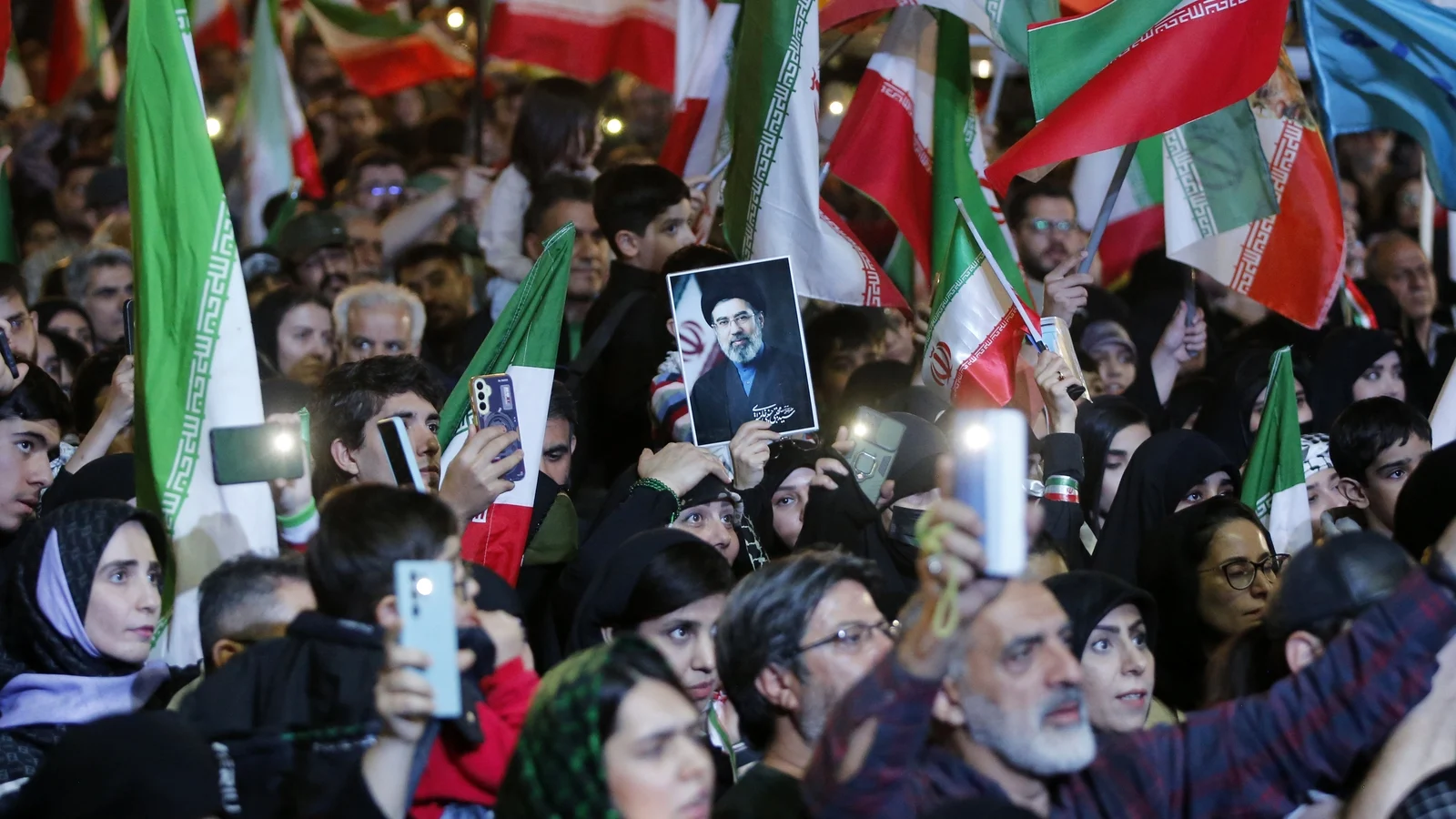
In Tehran, the rhetoric is not the careful prose of negotiators but the blunt cadence of a country under pressure. “We will not sell ourselves into a deal written at gunpoint,” said a mid-ranking Iranian political adviser in a voice hardened by weeks of internal debate. “You can’t ask us to remove red lines while your ships are blocking our ports.”
In Washington, there is impatience—and a performative certainty. A senior U.S. official, speaking on the condition of anonymity, framed the pause as leverage. “If they want to return to the table with a serious offer, we’ll listen. Until then we will protect our interests and our partners in the region,” the official said.
In Beirut’s port cafés, where conversations have turned incessantly to what happens across the blue, a fisherman shrugged at the whispers of escalations. “We’ve learned to watch the boats,” he said. “Some days there’s work; some days there isn’t. Politics comes to the sea like fog—sometimes it lifts, sometimes it doesn’t.”
And in Islamabad, a taxi driver named Amir folded his hands on the steering wheel and said: “We hosted them with chai and patience. But peace is not served in cups. It takes courage. Who has courage remains the question.”
Militarized margins—Hezbollah and the tested ceasefire
It’s not only Tehran and Washington trading barbs. On the edges of the conflict, proxy alignments and local actors are testing fragile arrangements. Israeli forces have been ordered to strike Hezbollah targets in Lebanon, officials said—moves that threaten to tear the already thin veil of a ceasefire.
Those attacks crack the veneer of a pause that was holding, if shakily, for now. Each flashpoint risks widening the map of confrontation from a bilateral standoff to a regional conflagration.
Why the world should care—beyond headlines
Consider two simple truths: modern supply chains are tightly interlaced, and energy remains a foundational input for economies and livelihoods. When one chokepoint like Hormuz tightens, the effects ricochet into manufacturing, transportation, and household budgets across continents. Investors flee to safe havens; currencies wobble; food prices—already pressured by weather and conflict—feel the squeeze of higher transport costs.
This conflict also spotlights a broader tension of our time: the limits of traditional diplomacy in an era of polarized leadership. Can face-to-face negotiations still do the heavy lifting when domestic political theater turns every concession into potential political suicide? Or are we witnessing a new normal, where deals require back-channels and third-party guarantees to survive?
“It’s a question of leverage and legitimacy,” said Dr. Hana Yusuf, a scholar of Middle Eastern diplomacy. “Diplomats can make meetings happen, but they can’t make leaders want to be vulnerable in public. And without vulnerability, agreements have no roots.”
Where we go from here
For now, the picture is one of pause, not peace. Ceasefires hold in galleries of statements, but blockades, strikes and sanctions remain tools on the table. The next few weeks will be crucial: will cooler heads seize quiet corridors to craft a deal, or will skirmishes outside the formal talks harden positions further?
Ask yourself: how comfortable are you with a global order that still hinges on a narrow strait and a handful of capitals resolving existential questions in midnight calls? What would a more resilient system look like—more diversified energy mixes, stronger regional mediation, or a reimagining of how international law protects commerce?
The diplomats have retreated to their capitals. The negotiators will regroup, or they won’t. In the dusty alleys of Islamabad and the echoing halls of Washington and Tehran, people are quietly recalculating their bets. Meanwhile, the rest of us watch the price at the pump and wonder whether the next crisis will be one that can be negotiated—or one that will negotiate us.