Europe on Fast-Forward: A Continent Becoming a Climate Laboratory
Walk the cobbled streets of a Mediterranean fishing town at dawn and you can almost feel the planet rearranging itself. The harbor is quieter; the fishermen talk about species that used to arrive every spring and no longer do. Up in Lapland, an elder reindeer herder shakes his head at birches leafing out weeks earlier than they once did.
These are the small human notes that stitch together a far larger, harder truth: Europe is warming faster than any other continent except the Arctic. That’s not a metaphor or a projection tucked away in a chart—it’s an unfolding reality documented in the latest European State of the Climate assessment, and it reads like a field report from a world already changing at speed.
Numbers That Sting
Over the past three decades, Europe’s temperature has climbed roughly 0.56°C per decade—more than double the global pace of about 0.27°C per decade. The Arctic is still the fastest-heating region, at about 0.75°C per decade, but Europe is now a close, urgent second.
Last year, at least 95% of Europe recorded temperatures above long-term averages. In some northern nations, last year was the warmest—or the second warmest—on record. Even inside the Arctic Circle, in parts of Fennoscandia, summer heat pushed past 30°C for several days, jolting ecosystems adapted to cool summers.
Put another way: the warming trend is not a distant prophecy. It is happening now, across landscapes people know intimately—across vineyards, river basins, mountain pastures, and coastal fisheries.
The Cry of Ice and Sea
Glaciers across Europe continue to surrender mass. Iceland’s ice losses were among the worst last year, and the Greenland Ice Sheet shed approximately 139 billion tonnes of ice—an amount equivalent to about one and a half times the total ice volume of the European Alps’ glaciers. March snow cover was 31% down on the norm; spring’s final snowline ranked among the smallest ever recorded.
Our seas are rewriting their own maps. Average sea surface temperatures around Europe reached record highs, with large portions of the ocean experiencing prolonged marine heatwaves. In fact, roughly 86% of European seas felt at least “strong” marine heatwave conditions during 2025.
That matters to people in visceral ways. “Our nets come back lighter,” said Marta, a fisherman from the Balearics. “Not the same fish, not the same size. The sea tastes different.” Such comments reflect a scientific reality: keystone species are shifting northward, reproduction cycles are disrupted, and coastal communities face both ecological and economic strain.
When the Soil Runs Dry
On land the picture is just as stark. 2025 ranked among the top three driest years for soil moisture since 1992. At one point in May, about 35% of Europe was under extreme agricultural drought. Rivers told the same story: around 70% of European rivers reported below-average flows, with low water persisting for much of the year.
Yet the hydrological picture is uneven and, at times, paradoxical: while much of the continent baked, other areas saw intense, localized downpours and flash floods. The geographic patchwork of drought and deluge complicates everything from urban planning to crop insurance.
Fire, Floods, and the Human Cost
Wildfires torched over one million hectares—the largest extent on record—most fiercely across the Iberian Peninsula. Countries that rarely faced such ferocity, including parts of northern Europe, reported exceptional emissions from wildland blazes. Storms and floods, while not as widespread as in some recent years, still claimed lives and left thousands displaced; official tallies show at least 21 dead and more than 14,500 people affected.
“You start to feel like the weather is a new kind of neighbor—unpredictable and sometimes dangerous,” said Anna, a municipal worker in a riverside town that has seen both drought and sudden flooding in recent years. “We’re learning to build differently, but policy and money lag behind what reality demands.”
Sea-Grass, Fisheries and Cultural Loss
Few things sum up the quiet erosion of regional lifeways like the decline of Posidonia oceanica, the seagrass that carpets Mediterranean coasts and nurtures fisheries. Once spreading across roughly 19,000 square kilometres, Posidonia meadows have contracted by about 34% over the last half-century. Where children once dove through thick beds of seagrass, they now find sand, heat, and altered shorelines.
“These meadows are our nurseries, our carbon sinks, our history,” said Dr. Elias Moretti, a marine ecologist. “Their decline is the slow unmaking of coastal culture.”
A Continent Trying to Pivot
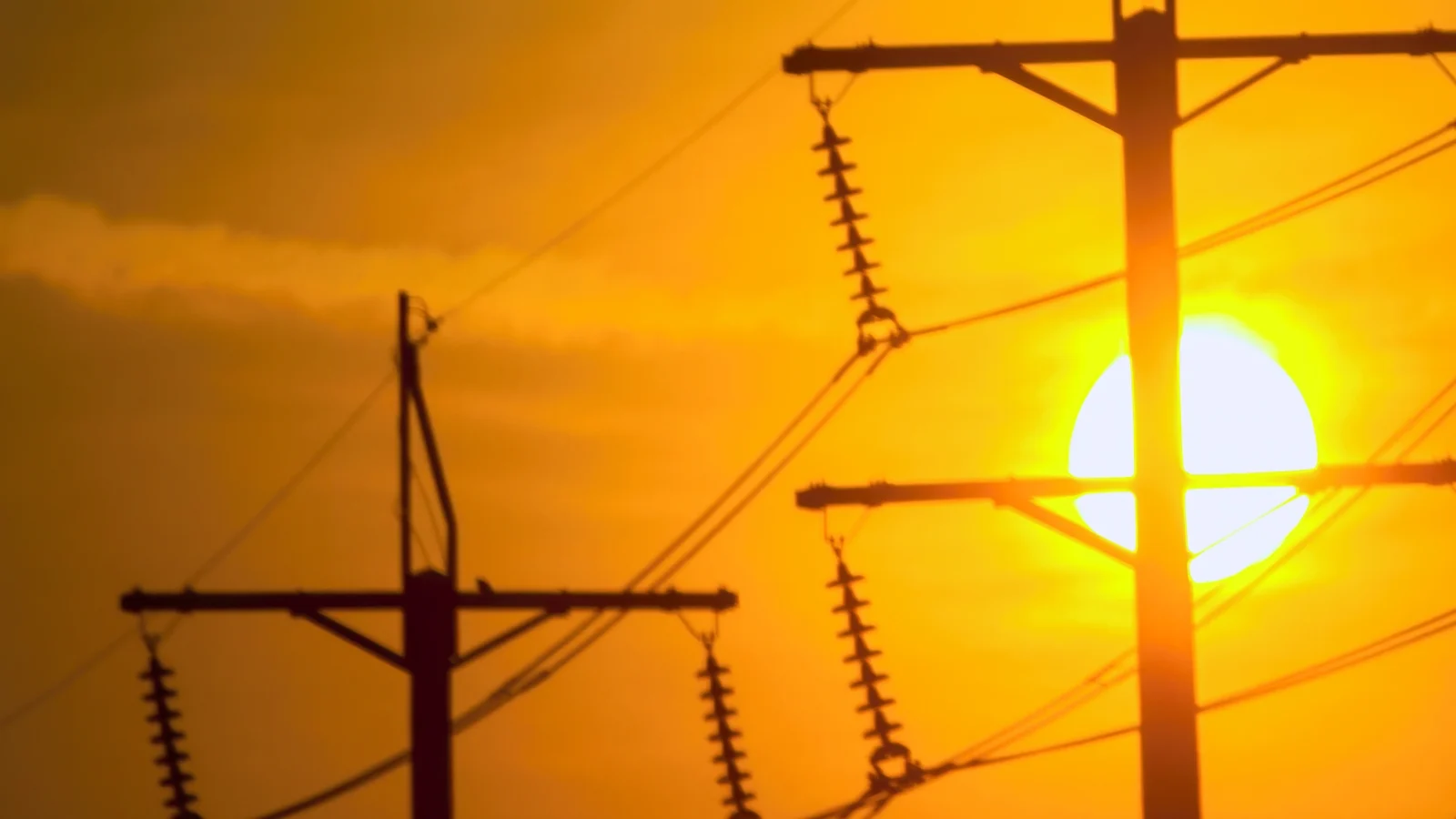
There are rays of urgency-driven progress. Europe’s electricity mix is shifting: renewables provided around 46.4% of the continent’s power in 2025, with wind at roughly 18%, hydropower near 15.9%, and solar surging to a record ~12.5%. Fossil fuels still supplied about 27.5%, but that share is sliding.
“The clean energy transition is advancing, but it must accelerate,” said Samantha Burgess, Strategic Lead for Climate at the European Centre for Medium-Range Weather Forecasts. “We are witnessing the consequences of delay. Reducing emissions, protecting biodiversity, and strengthening adaptation have to happen at pace.”
Key Figures at a Glance
- Europe warming rate: ~0.56°C per decade (last 30 years)
- Global average warming rate: ~0.27°C per decade
- Greenland ice loss (2025): ~139 billion tonnes
- Marine heatwave impact: ~86% of European seas experienced strong conditions
- Posidonia decline: ~34% loss over 50 years
- Renewable electricity share (2025): ~46.4%
- Wildfire area burned (2025): >1,000,000 hectares
- Average global temperature rise: ~1.4°C above pre-industrial levels
What This Means Globally
Globally, 2025 ranked among the warmest years on record—around 1.4°C warmer than pre-industrial times. If current trends persist, the 1.5°C threshold referenced in the Paris Agreement could be reached before the decade is out, shaving off more than a decade from previous forecasts. This is not a footnote for negotiators; it’s a wake-up call for policy-makers, business leaders, farmers, and citizens alike.
“We can’t separate climate policy from economic and social policy any longer,” said Dušan Chrenek, Principal Adviser for the Digital Green Transition at DG Clima. “Investment in observation, in resilient infrastructure, and in equitable transitions is not optional. It’s the foundation of a livable future.”
Where Do We Go From Here?
So what does meaningful action look like? It’s both systemic and personal. It means cities redesigning drainage and green spaces, farmers diversifying crops and soil practices, fishermen adapting to shifting stocks, and governments financing resilient infrastructure. It also means richer nations supporting poorer regions—inside and outside Europe—that will face outsized impacts.
But there’s also a moral question: how do we weigh the immediate pain of transformation against the deferred costs of inaction? And how do we ensure that transitions—away from fossil fuels, toward heat-resilient cities, toward sustainable fisheries—do not leave entire communities behind?
Final Thought
Walking through these altered landscapes, speaking to those on the front lines—farmers with cracked fields, fishers with lighter nets, scientists with long datasets—one truth grows clear: climate change is not an abstract variable. It has a taste, a smell, a rhythm, and it interrupts the ordinary lives of ordinary people. It asks us, as readers and citizens, to decide what kind of future we want to inherit and to build.
Will we treat Europe as an alarm bell or as an opportunity to reinvent the ways we live, move, and power our societies? The next decade may well answer that question for all of us.