Locked Waters, Restless Crews: A Strait Stitched with Tension
The air above the Strait of Hormuz carries more than the scent of salt and diesel these days. It carries a tension you can feel in your chest — a slow, persistent pressure that gathers every time a container ship’s radar pings or a distant helicopter’s rotors beat the heat. For the hundreds of vessels and nearly 20,000 seafarers stranded in the vital waterway, the strait has become a waiting room at the edge of crisis.
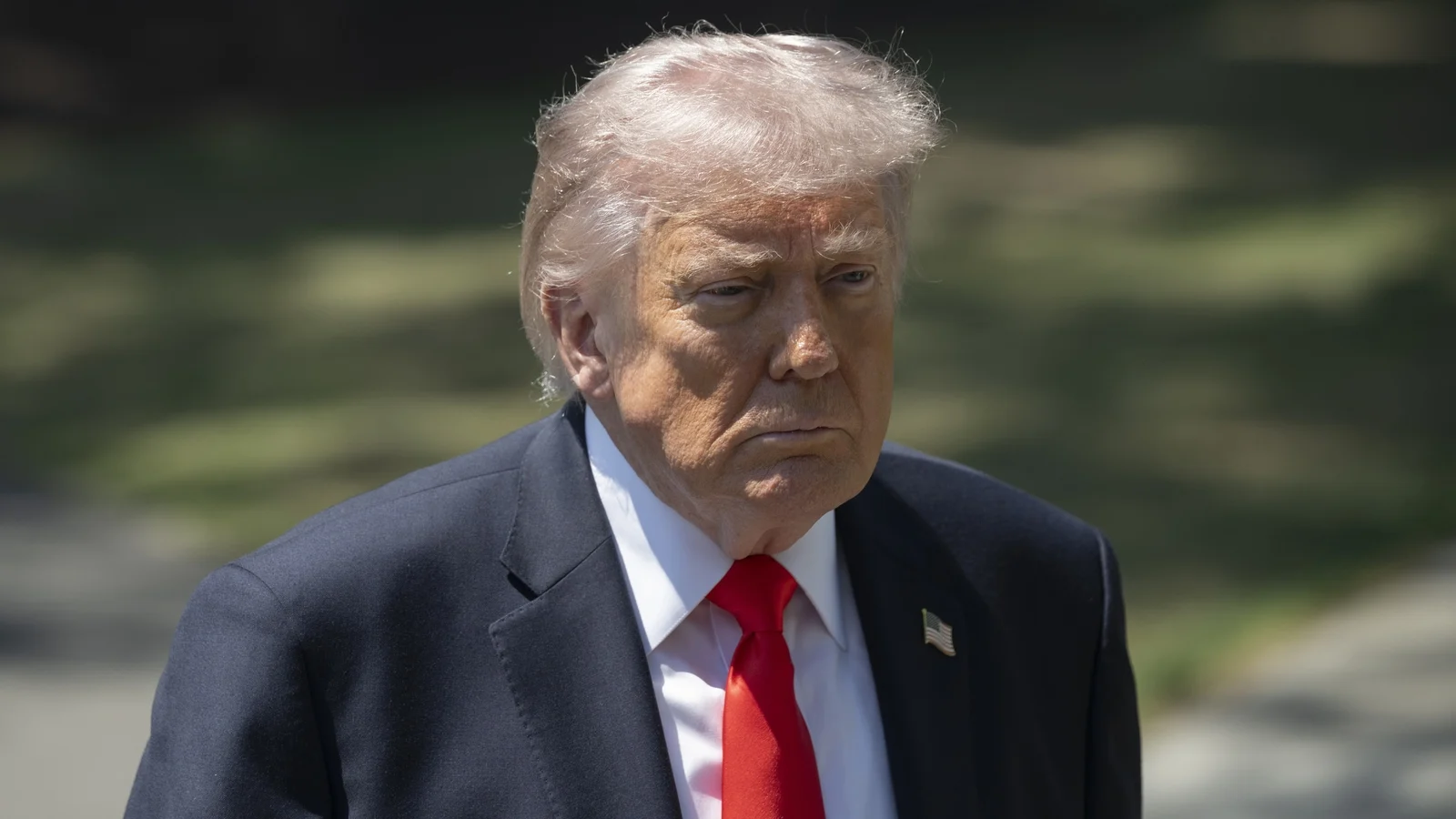
On a brisk morning, President Donald Trump posted on Truth Social that the United States would begin assisting ships trapped in the Gulf, “guiding their ships safely out of these restricted waterways.” The announcement — terse, blunt, decisive — landed like a flare in a sky already lit by dozens of diplomatic signals, military maneuvers and, most recently, reports of violence at sea.
“We’ve told these countries that we will guide their ships safely out,” he wrote. “We will restore the freedom of navigation for commercial shipping.”
The Operation: Steel, Wings and a Diplomatic Thread
Within hours, US Central Command (CENTCOM) framed the effort as a combined diplomatic and military push to reopen one of the world’s most consequential maritime chokepoints. CENTCOM said the mission would be backed by 15,000 US personnel, “more than 100” land- and sea-based aircraft, warships and drones. Admiral Brad Cooper, CENTCOM’s commander, underlined the stakes.
“Our support for this defensive mission is essential to regional security and the global economy,” Cooper said. “We will both provide protection and maintain the naval blockade.”
It is a rare public pairing of a protection mission with a declaration of blockade — language that underscores how tangled the objectives are: to defend innocents on the waves, to ensure commerce can flow, and to keep pressure on Tehran.
Numbers that Matter
- About 20% of the world’s oil and gas shipments historically pass through the Strait of Hormuz, making it a linchpin of global energy security.
- The International Maritime Organization estimates hundreds of ships and up to 20,000 seafarers have been unable to transit the strait during the conflict.
- CENTCOM has mobilised roughly 15,000 personnel and over 100 air assets to support the effort.
A Shot in the Dark: The Latest Incident
Soon after the announcement, the United Kingdom Maritime Trade Operations (UKMTO) reported that a tanker had been struck by unknown projectiles roughly 78 nautical miles north of Fujairah in the United Arab Emirates. All crew were reported safe, but the image — a steel hull peppered by fragments, a frightened crew tending to damaged equipment — became a potent symbol of the danger that now threads the route where tankers have long steamed with predictable rhythm.
“We heard a loud bang and felt the whole ship shudder,” said Rajiv, a 36-year-old chief engineer aboard a tanker currently anchored off Fujairah. “For a moment you think it’s the end of a long day, then you look out and see the sea, the lights, and you realise it’s not the weather you should be worrying about.”
On the Ground — and at Sea: Human Stories in a Geopolitical Storm
Walk the waterfront in Fujairah and you’ll encounter the small scenes that make geopolitics human. At a coffee stall near the port, an Emirati dhow captain pours cardamom tea and shakes his head.
“We used to pass freely. Now I check AIS signals and newsfeeds like prayer times,” he said wryly. “You can feel the worry in the harbour. My cousin’s boy was due home last week; his ship is stuck. There are families waiting.”
Families are a recurrent motif: spouses who don’t know when their partners will return; children who ask, repeatedly, when “daddy’s ship” will arrive; ship cooks improvising meals for weeks with dwindling supplies. The strain is economic, emotional and very real.
Supply Chains, Prices, Politics
Beyond human hardship, the closure has global ripple effects. With roughly one-fifth of the world’s oil and liquefied natural gas volumes usually transiting the strait, insurers bump up premiums, markets twitch, and consumers — from commuters filling up at a station in Ohio to manufacturers basing production decisions in Asia — feel the pressure.
In the United States, the higher pump prices have become a political liability. The administration faces mounting domestic pressure to break Iran’s hold over the shipping lanes ahead of domestic elections this fall; Republicans and Democrats alike have started asking whether the status quo can hold.
Diplomacy and Strings Attached
Amid the manoeuvring, Tehran has sent its own proposals to the table: a 14-point plan that reportedly asks for US force withdrawal from nearby areas, lifting of blockades, the release of frozen assets, compensation and the lifting of sanctions — in exchange for a new control mechanism for the Strait of Hormuz. Tehran’s pitch also suggested postponing nuclear negotiations until the war’s military phase subsided.
“At this stage, we do not have nuclear negotiations,” Iran’s foreign ministry spokesperson Esmaeil Baghaei told state media, speaking to the sequencing Tehran proposes.
The US, for its part, has insisted on stringent restrictions on Iran’s nuclear program as part of any broader détente. Officials have cited concerns about Iran’s stockpile of more than 400 kilograms of highly enriched uranium — a figure that, in US statements, underlines the perceived nuclear risk and complicates quick diplomatic fixes.
“The Iranian offer is not just diplomatic theatre; it is a bargaining play,” observed Laila Haddad, a Middle East analyst in Beirut. “But the sequencing matters — and both sides are holding red lines that are hard to reconcile at speed.”
Questions That Can’t Be Ignored
What happens when the US begins escorting ships? Will the presence of hundreds of military assets open a path, or escalate the stakes? Who else will join the coalition the US is calling for, and which flags will its convoys carry? And, perhaps most pressing: how do we protect civilian mariners who are already stuck between ideological and logistical crossfire?
“We are professional seafarers, not soldiers,” said Maria, a Filipino steward whose ship has been idled in the Gulf for six weeks. “We want to go home. We want food for our children. We want this to be over.”
Why It Matters to You
Even if you live nowhere near the Gulf, this crisis touches your life. Energy markets are globally linked; supply chains crisscross oceans; millions depend on the steady movement of freight to keep economies humming. What unfolds in the narrow waters between Iran and the Arabian Peninsula will help define not only regional realities but also how nations balance the use of military force, economic leverage, and diplomacy in an era of brittle globalization.
So what do you think? Should nations be able to guarantee safe passage through international waters by force if necessary — or does that risk turning vital sea lanes into militarised corridors? How do we weigh the lives of seafarers against the geopolitical chessboard?
Closing — A Long Night on a Waiting Deck
Night falls over the anchorage. The lamps of tankers and bulk carriers stitch a constellation on the water. On board, a small radio plays a Pakistani ballad, and somewhere below deck, a child’s laughter slips between the engines and the hum of a refrigerator that will not be fixed until the voyage resumes. The plan to “guide ships safely out” may bring relief to some, but the Strait of Hormuz will not be rescued by rhetoric alone. It will be restored by clear rules, patient diplomacy and, above all, recognition of the human stories that must be preserved even as polities bargain and navies manoeuvre.
For the seafarers who scrub decks under starless skies, and for the families counting the hours until they can embrace a father or mother again, the world’s attention cannot dim. Not now. Not ever.