Death on the High Seas: When an Antarctic Cruise Turns into a Public‑Health Puzzle
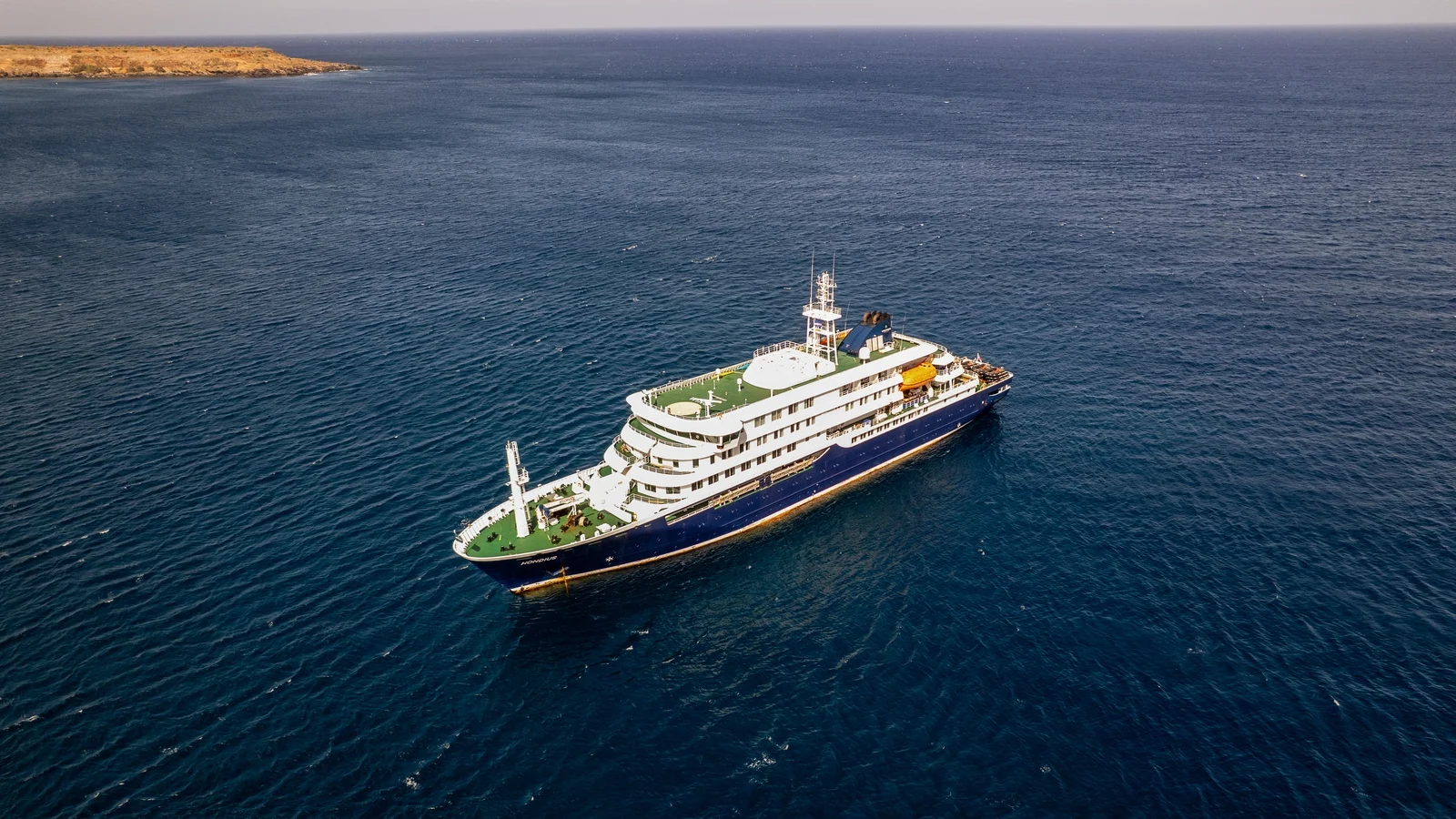
The MV Hondius, a sleek little vessel built for iceberg-glazed horizons and the hush of penguin colonies, was mid-transit between two hemispheres when something invisible and ancient breached its wooden rhythms: illness. It started quietly, as these things often do—one passenger felt short of breath, another’s cough lingered, a fever that would not shake. Within days the ship’s medical log read like a tragedy in microcosm: six people unwell, three dead, one fighting for life in a Johannesburg intensive care unit.
By the time the World Health Organization stepped in to coordinate evacuations and testing, a laboratory in South Africa confirmed what epidemiologists feared: one of the cases was hantavirus, a rodent-borne pathogen best known for its capacity to cause severe respiratory illness. The WHO described five more suspected cases. The ship—laden with roughly 170 passengers and 70 crew—had become a moving cluster of human vulnerability, crossing oceans and jurisdictions as public-health officials scrambled to respond.
From Ushuaia to Saint Helena: An Itinerary Interrupted
The MV Hondius had left Ushuaia, the city that clings to the end of Argentina like a punctuation mark, bound for Cape Verde, with stops at South Georgia and the remote outpost of Saint Helena. For many passengers, this itinerary is the stuff of lifetime dreams: glaciers, wildlife, isolation. For some aboard, it became a journey that would test every safety net the modern world has built for travel medicine.
“We were supposed to be taking photos of whales, not listening to ventilators,” said a woman who requested anonymity after her partner was among those evacuated. “There was this surreal hush, and then the crew started telling us to keep windows closed and to report any symptoms immediately.”
Saint Helena became a grim waypoint when one passenger, a 70-year-old man, died on board and his body was disembarked there. His wife, also ill, was flown to Johannesburg and later died in hospital. A third fatality remained on the vessel as authorities debated whether further evacuations should take place on the nearby island of Cape Verde.
What We Know: Numbers and Medical Reality
Current official counts list six people affected: three deaths, one patient in intensive care in South Africa, and two others under consideration for isolation or medevac. The WHO has confirmed one laboratory case of hantavirus and described five additional suspected infections. South Africa’s health ministry initially reported an outbreak of “severe acute respiratory illness” before hantavirus testing yielded a positive result.
Hantaviruses are a global family of viruses, transmitted to humans primarily through contact with infected rodents or their droppings. In the Americas, certain hantaviruses can provoke hantavirus pulmonary syndrome (HPS), a sudden and severe respiratory condition with a case fatality rate that can approach 30–40% in some outbreaks. In other parts of the world, related viruses cause haemorrhagic fever with renal syndrome (HFRS), which carries a different clinical profile and mortality risk.
“Hantavirus infections are often linked to environmental exposure—cleaning sheds, sweeping out mouse droppings, or breathing dust in places where infected rodents are present,” explained Dr. Aisha Ndlovu, an infectious-disease physician in Johannesburg. “Person-to-person transmission is generally rare, but it has been documented for specific strains, notably the Andes virus in South America, so public-health teams must move urgently.”
Onboard Life: Fear, Care, and the Quiet Work of Crew
For passengers used to buffet lines and lecture decks, the sudden pivot to quarantine procedures and medical triage felt jarring. “The crew were incredible—calm, methodical,” said a retired teacher from the U.K. who was sheltering in his cabin. “They tried to explain everything, but the language of contagion makes everyone into a statistic overnight.”
Crew members, many of them in their 20s and 30s and drawn from ports around the world, found themselves on the front lines. They managed not only logistics but the emotional labor of caretaking—delivering meals, answering frantic questions, and sometimes administering first aid.
“We train for bad weather; no manual teaches you how to tell a passenger their partner has died,” a crew member confided. “We did what we could, but we all felt small against an illness we did not fully understand.”
Ports, Rodents, and the Hidden Risks of Global Travel
Cruise ships are unique epidemiological spaces: they concentrate people from many countries in a compact environment and move them between ports that can have wildly different levels of sanitation, surveillance, and public-health infrastructure. Ships take on supplies in port, and rodents—always opportunistic travelers—can stow away or contaminate foodstuffs.
“Rodent control aboard ships is essential but not infallible,” said Marisol Fernandes, an environmental health inspector in Cape Verde. “Our ports do their best, but the world is connected in ways we are still learning to manage.”
Climate change and urbanization are altering rodent populations globally, experts warn. Warmer temperatures, shifting rainfall, and disrupted ecosystems can push rodent species into closer contact with people, increasing the chances for zoonotic spillover—the moment a pathogen jumps species to humans.
Broader Questions: Risk, Adventure, and How We Travel
As stories like this proliferate, they prod at a larger question: How do we balance the hunger for travel and discovery with new realities of infectious disease? Is travel risk merely a matter of statistics, or is it also a moral reckoning about how we prepare vulnerable populations—elderly passengers, crew from lower-income countries, small island health systems—to handle such shocks?
“We must think systemically,” said Dr. Paolo Rossi, an epidemiologist with experience in maritime health. “Rapid testing, robust rodent control, clear lines of responsibility between ship operators and national health authorities—these aren’t optional. They’re prevention.”
Immediate Advice and What Passengers Should Know
If you’re planning expedition-style travel or long cruises, basic precautions can reduce risk. Public-health bodies recommend straightforward measures:
- Avoid sweeping or vacuuming in enclosed spaces where rodent droppings might be present—moisten before cleaning and use gloves and a mask.
- Practice good hand hygiene and report any respiratory symptoms early to ship medical staff.
- Ask operators about their pest-control protocols and emergency medical evacuation plans before booking.
“Knowledge is your first line of defense,” Dr. Ndlovu emphasized. “And if you feel unwell, speak up fast.”
Conclusion: A Small Ship, a Big Lesson
The story of the MV Hondius is not merely about a single ship or a handful of people. It’s a lesson in how fragile the bubble of modern travel can be when it metes up against old pathogens and a warming, crowded planet. It’s about the human stories—the lost birthdays, the unspoken phone calls home, the quiet competence of nurses and crew—that statistics can only hint at.
As investigations continue and authorities coordinate across borders, passengers and the public are left to reckon with uncertainty. Would you still go if given the chance—to the edge of the world and back? Perhaps. But travel now comes with a new clause: be prepared, be informed, and remember that the smallest creatures—mice, rats, the viruses they carry—can change the course of a journey in an instant.