When Diplomacy Lands at Dawn: Iran’s Foreign Minister Touches Down in Beijing
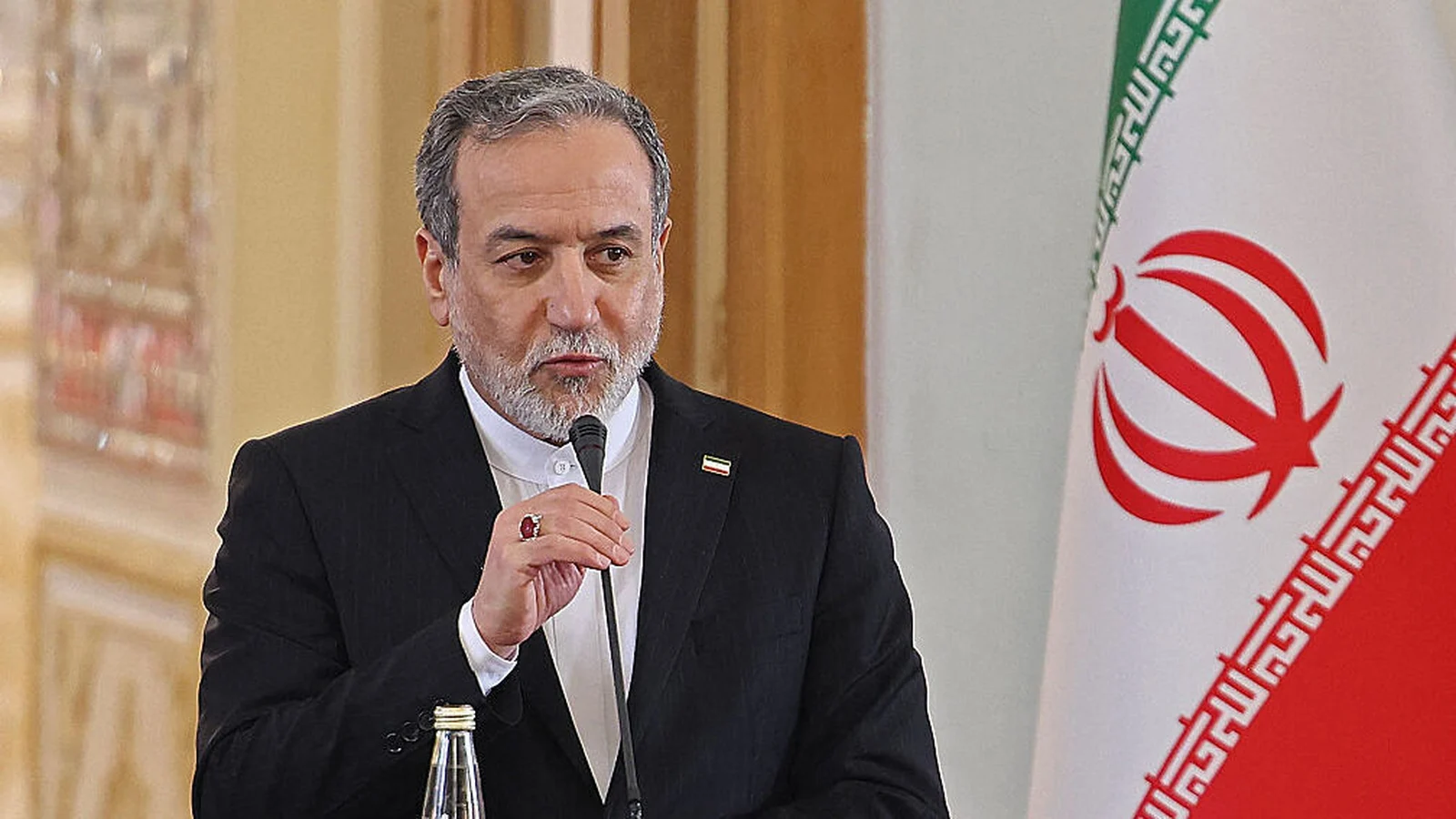
The wheels of the Iranian delegation’s jet kissed the tarmac of Beijing at first light, a quiet moment that felt larger than the plane itself. Men in dark coats moved with clipped purpose on the tarmac; a row of flags—red with the emblem of China, green-white-red with the Iranian crest—fluttered in the spring breeze. For a brief instant, the diplomatic choreography was as old as history: two foreign ministers, two nations with deep, sometimes awkward ties, preparing to talk through the noise of sanctions, headlines and warships.
Abbas Araghchi, Iran’s foreign minister, had arrived to meet his Chinese counterpart, Wang Yi. “During this visit, our country’s Foreign Minister will discuss bilateral relations and regional and international developments with his Chinese counterpart,” Iran’s state-affiliated Fars news agency reported—an understated line that belies the complexity bubbling beneath.
The Stakes: Oil, Choke Points, and a Global Tightrope
This is not only a bilateral meeting. It is a scene from a larger story about energy, power and the brittle arteries of global commerce. China has been, for years, among Iran’s most important oil customers, a steady buyer even as Washington tightened the screws with sanctions aimed at cutting Tehran’s revenue streams.
The geography behind the drama is stark and simple. The Strait of Hormuz—the narrow chokepoint between the Persian Gulf and the Gulf of Oman—has long been the world’s energy bottleneck. Roughly one-fifth of the world’s seaborne-traded petroleum flows through that strait. A disruption there sends shockwaves through markets from Shanghai to Singapore to New York.
Against that backdrop, Washington’s pressure campaign has a daily, tangible human effect—on traders, on dockworkers, on ordinary families who watch petrol prices. And China, whose energy needs are immense and growing, has choices: publicly support U.S. sanctions and risk diplomatic rupture with Tehran, or quietly keep buying and protect its energy lifelines.
A Senator’s Plea and the Timing of a Presidential Visit
In Washington, Senator Marco Rubio urged Beijing to lean harder on Iran. “I hope the Chinese tell [Mr. Araghchi] what he needs to be told, and that is that what you were doing in the straits is causing you to be globally isolated,” Rubio told reporters—a blunt public nudge intended to amplify U.S. pressure.
The trip came just before a planned visit to China by U.S. President Donald Trump—originally scheduled for May 14–15—delayed, American officials acknowledged, after a flurry of tensions with Iran that included U.S. and Israeli strikes. The dance of diplomacy is therefore doubled: high-level engagement between Beijing and Tehran, and a looming summit that could reshape U.S.-China ties just as the Middle East’s tectonics shift.
Voices from the Ground: What People Say When Diplomacy Is Distant
Not every important remark comes from a foreign ministry statement. I spoke—on the phone and in public squares—with people whose days are shaped by the decisions made two hemispheres away.
“China and Iran are like two old merchants in a market,” said Reza, an Iranian small-business owner who lives in Beijing’s embassy district and asked that I use his first name. He runs a Persian carpet stall that, he says, keeps Iranian motifs alive in a city of neon and scooters. “When revenues fall in Tehran, my family sees it in the price of saffron. When tension rises in the Gulf, we all wait for news from the docks.”
Li Wei, an energy analyst based in Beijing, offered another angle. “China’s priority is energy security,” she told me over a cup of tea in a bustling hutong. “We buy oil from many places. Iran is important, but Beijing tries not to be cornered into a binary choice. Every decision is about keeping our lights on and factories running.”
On the other side of the Gulf, Sahar, an elderly tea shop owner in southern Iran, pressed her hands into a chipped porcelain cup and shook her head slowly. “We hear promises from politicians, but we count the bread on our table,” she said. “Sanctions make everything smaller.”
Numbers That Anchor the Story
To make sense of these stories, it helps to anchor the narrative in data. The Strait of Hormuz carries about one-fifth of the world’s traded crude—every barrel that cannot flow through it pushes up prices elsewhere. China, the world’s largest crude importer in recent years, sources a significant share of its Middle Eastern oil by sea, and maintaining those supply routes is a strategic priority.
Sanctions have forced Iran to develop workarounds—smuggling networks, ship-to-ship transfers at sea, and buyers who are willing to accept lower transparency in exchange for discounted crude. Those methods work, to a degree, but they reduce Tehran’s official revenues and increase the risks for everyone involved.
Local Color: Tea, Carpets, and the Quiet Diplomacy of Everyday Life
In Beijing, the smell of frying dough mingles with diesel from delivery trucks. Government offices crouch near historic hutongs; tourists click photos near Red Guard-era murals. Among these textures, Iran’s presence is subtle but real: embassy staff arriving in tailored coats, modest Iranian restaurants by university campuses, and carpet rugs seen in store windows advertising “Tehran weave.”
Back in Tehran’s Grand Bazaar, an older merchant I met, Ali, folded his hands. “We watch the international meetings on a small black-and-white TV,” he said with a laugh that had no mirth. “We don’t expect miracles. But we hope—always—to trade. Sanctions make the world smaller for us.”
What This Meeting Could Mean—and What It May Not
So what should we expect from Araghchi’s visit to Beijing? Realistically: steady, cautious diplomacy. There will be communiqués reading like insurance policies—affirmations of mutual respect, promises to deepen economic ties, perhaps new trade or investment commitments designed to dodge the rough edges of sanctions. There will be no instant fix for deep mistrust—not between Washington and Tehran, or between the U.S. and China.
But the visit is a reminder that global problems aren’t solved in isolation. Energy security, economic coercion, the politics of chokepoints like Hormuz, and the daily lives of ordinary people are interlinked. A diplomat’s handshake in Beijing can ripple through a dockworker’s shift in Bushehr and a small tea shop in Tehran.
Questions to Take Home
As you read this, consider the trade-offs at play. Should energy security trump pressure campaigns meant to change a government’s behavior? Is economic isolation an effective tool in the long term, or does it entrench resentments and push states toward alternative, sometimes riskier, partners?
And finally: how do ordinary people—shopkeepers, students, factory workers—navigate policies decided in far-off capitals? Their answers are not in official communiqués; they are in the price of bread, the smell of tea, the patterns of carpets traded across continents.
Abbas Araghchi’s brief visit is, in many ways, a mirror. It reflects the practical need to keep goods moving and the political impulse to make a point. It illuminates how, in a world of fragile chokepoints and competing superpowers, diplomacy often arrives not with grand solutions, but as patient, tense conversation—spoken over tea at dawn, behind closed doors, while the rest of us watch the tides and count the cost.