A bruising restart: Labour, Brexit and the fight for Britain’s future
On a gray Saturday in a town that voted Leave eight years ago, the national conversation suddenly feels less like headline noise and more like a dispute at the family dinner table — messy, stubborn and intensely personal. What began as an internal Labour reshuffle has opened a fissure through the party and into a nation still divided over Brexit, migration and identity.
Wes Streeting’s resignation as health secretary last week was not merely the exit of a cabinet minister. It was a flare in the dark. Within hours he had signalled he would stand in any Labour leadership contest and, in doing so, made rejoining the European Union a centrepiece of his pitch. For some, this is a clarion call for a modernising project. For others, it is a provocation aimed squarely at Leave voters in towns like Makerfield — a working-class, Greater Manchester constituency that still bears the aftershocks of the referendum.
The sparks fly
“We can’t pretend the question of Europe is behind us,” Streeting told reporters, according to aides. “This is about whether Britain steps back into the centre of Europe’s economic and political life.”
His words ignited fury among factions inside Labour. Supporters of Andy Burnham — the Greater Manchester mayor widely expected to contest Makerfield as a parliamentary candidate — saw the timing as strategic, designed to drag Brexit back into a local campaign where Burnham hopes to peel votes away from Reform UK and Conservative rivals.
“It’s odd,” Culture Secretary Lisa Nandy said on air, rebuking Streeting with rare public heat. “If rejoining the EU is the answer, then essentially what we’re saying to people is, ‘life was fine in 2015, we just need to go back there.’ That’s not how you speak to people whose jobs and communities have changed.”
On the doorstep in Makerfield
Walk the high street in Makerfield on a weekday evening and you feel the tensions at the micro level. A pub corner table hums with debate. A supermarket checkout greets a cardboard stack of campaign leaflets. Canvassers in fluorescent jackets move methodically along terraced streets, pressing palms and promises to anyone who will listen.
“We voted Leave because we wanted control — of our laws, our fish, our borders,” says Alan McIntyre, a 62-year-old mechanic who has lived in the area all his life. “Nobody’s talked properly about whether rejoining would solve anything for us. It’s just politicians arguing.”
Opposite him, 28-year-old Joana Ortega, a community nurse, is less dogmatic. “I don’t have a faith in grand national gestures,” she says. “I care about whether I can get the medicines I need, whether staff shortages are fixed. If Europe helps that, then fine. But we need clarity, not slogans.”
Politics on a knife-edge
Beyond the patchwork of opinions on the streets, national forces are circling. Reform UK — the party that has made significant inroads in former industrial towns — reportedly plans to capitalise on any wavering message from Labour by highlighting Burnham’s past openness to EU membership. Nigel Farage, one of the most vocal opponents of returning to Brussels, labelled the mayor “open borders Burnham” in a hard-hitting comment picked up by national papers.
“At a time when millions of voters demand control of our borders, advocating to rejoin a European project built around the free movement of 500 million people raises serious questions,” Farage said in a statement.
Whether those words land depends on the electorate’s shifting priorities. The 2016 referendum split the country roughly 52% to 48% in favour of Leave — a statistic that has settled into the national memory as a defining fault line. But the intervening years have scrambled the map: new economic pressures, debates about migration and the after-effects of the pandemic have shifted voters’ daily concerns.
Inside Labour: strategy, loyalty and personal choice
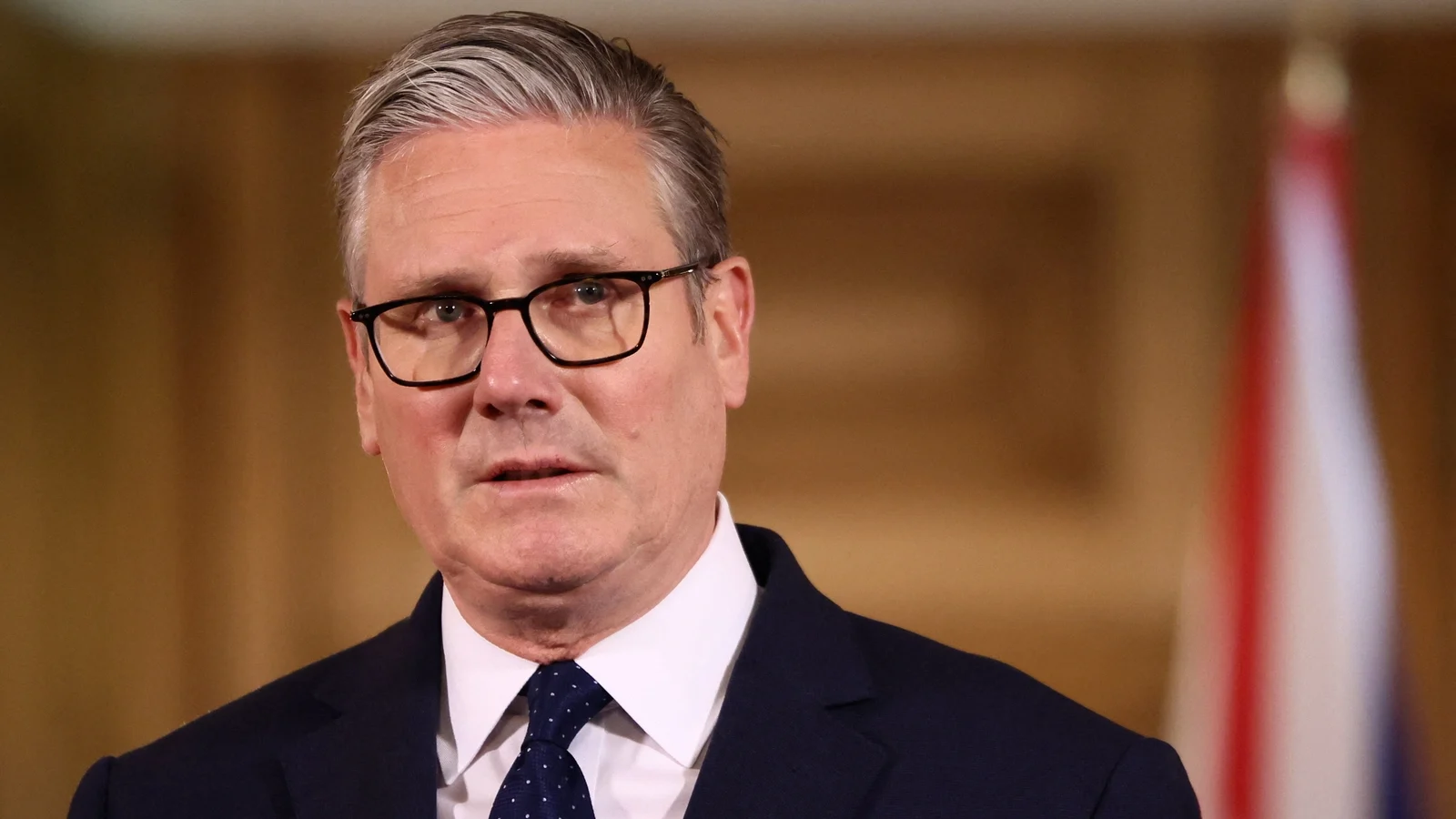
At the centre of this storm sits Keir Starmer. Officially the prime minister, Starmer has publicly vowed to contest any leadership challenge. Privately, aides say, he weighed the weekend at Chequers and considered the very human question politicians rarely discuss: how much personal cost should he bear to keep unity? “It’s a very personal decision for him,” Lisa Nandy told the BBC, softening the party line and hinting at the complexities that lie beneath party discipline.
For many within Labour, the stakes are existential. Is the party to be defined by cautious centrism, or will it reclaim a bold progressive mission that includes re-engagement with Europe? And what does each path offer to the towns that delivered the referendum result eight years ago? These aren’t abstract questions in Makerfield — they are the difference between job security or instability, investment or decline, pride or resentment.
Experts and analysts weigh in
“This is a classic moment of political realignment,” says Dr. Aisha Rahman, a professor of British politics at the University of Manchester. “Leadership contests force parties to clarify their identities. For Labour, the challenge is to reconcile an urban, progressive base with working-class areas still sensitive to sovereignty arguments.”
Her view is echoed by political strategists who point out that leadership battles often recalibrate electoral coalitions. “Streeting is not just talking about Europe,” says Tom Ellison, a veteran pollster. “He’s signalling a broader ideological tilt — pro-internationalism, pro-trade, pro-integration — that will appeal to some voters and repel others.”
What’s at stake — and what to watch next
At first glance, this looks like a fight over personal ambition and tactical advantage. Dig deeper and you find questions that cut to the heart of modern Britain: how do we balance national sovereignty with global cooperation? How do political parties speak to communities whose experiences of globalisation are unequal?
Over the coming days and weeks, keep an eye on a few flashpoints:
- Whether Streeting formally launches a leadership challenge and the terms of his pitch;
- Andy Burnham’s decision on whether to stand in Makerfield and how he frames his position on Europe in a Leave-leaning constituency;
- Reform UK’s campaign strategy and whether anti-EU rhetoric proves decisive at the local level;
- Polling shifts — particularly among older Leave voters and younger urban Remain-inclined citizens.
A final thought
Politics is often described as theatre. But here the theatre is a mirror — showing a country still learning how to live with the choices it made. The question for readers is simple and urgent: what kind of country do you want to be in the decades ahead — one that closes ranks and protects borders, or one that seeks partnership and shared solutions? Each answer carries real consequences for hospitals, for homes, for the way we teach our children and trade with neighbours.
As the Labour family argues in public, remember that beyond the slogans are real people in places like Makerfield. They will vote on promises that affect the food on their tables and the air their children breathe. It’s a messy, human drama — and one that, for better or worse, we are still living through.