A Day When Everest Felt Smaller: 274 Climbers, One Mountain, Many Stories
The morning air at Everest Base Camp tasted of yak butter tea and diesel, of nerves and nylon. Prayer flags snapped in the wind, their faded colours a map of countless pilgrimages and ambitions. Above them, the white slab of the world’s tallest peak loomed — 8,849 metres of ice, rock and history — and on one extraordinary day this spring, 274 people planted their boots on its shoulder.
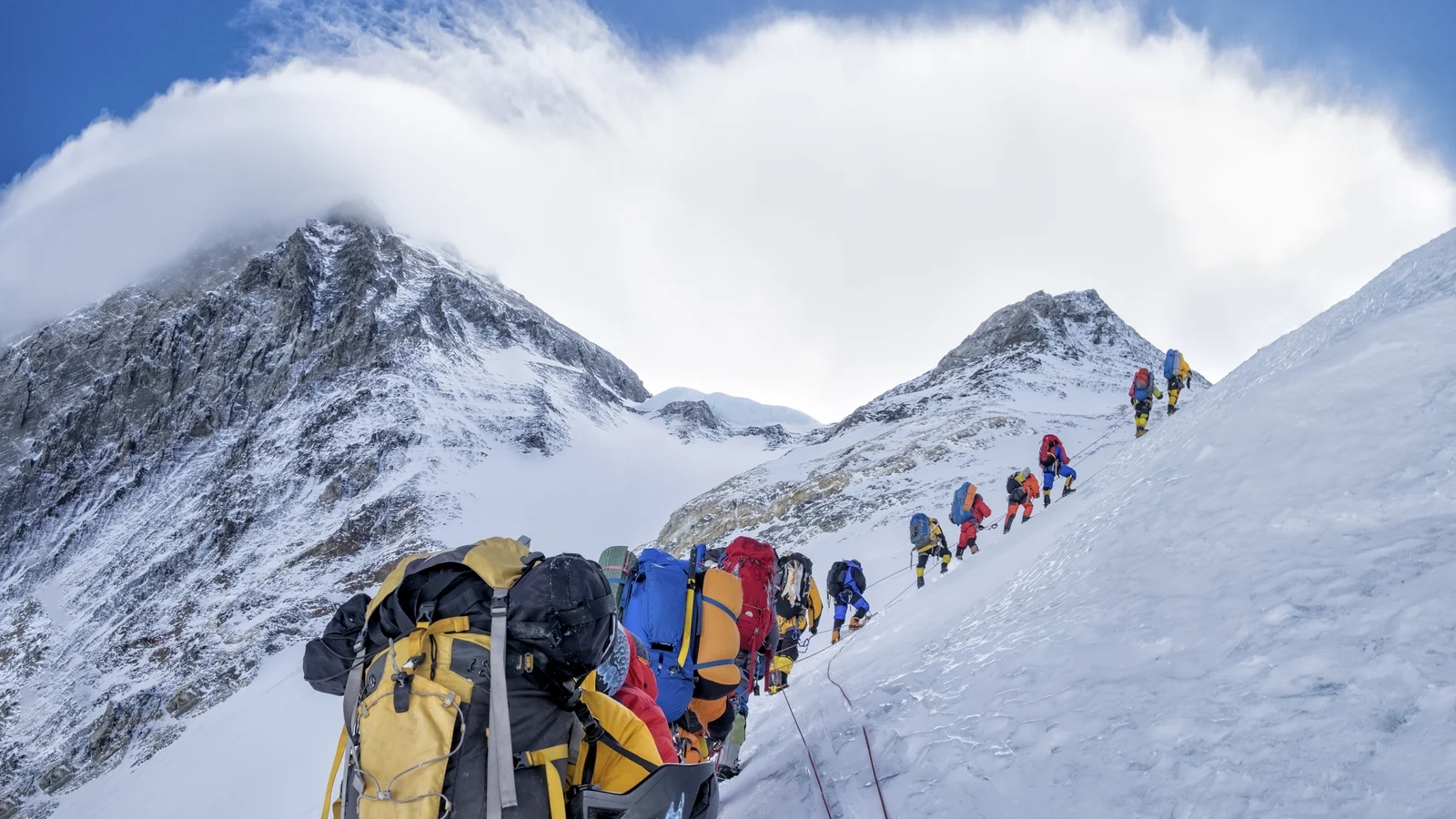
It was a figure that read like a headline and felt like a crowd: 274 summits from the Nepalese side in a single day, more than ever recorded before from that approach. The Nepali climbing community, expedition leaders and coffee-shop pundits are still unpacking what it means when so many people try to take the same thin ribbon of slope and sky at once.
The Numbers Behind the Rush
This season Nepal issued 494 permits to attempt Everest, each permit carrying a price tag roughly around €13,000. That math — half a billion euros? Not quite. Forty-nine-four permits at €13,000 brings in about €6.4 million for the Nepali treasury, a significant slice of local income via tourism and services that sustain villages across the Khumbu.
“We have seen busy seasons before, but this is the highest number in a single day on the Nepal side,” said Rishi Bhandari, secretary general of the Expedition Operators Association of Nepal. “It is possible the total could still rise. Some teams only tell us when they return with photos or certificates.”
The previous high-water mark was 223 climbers in one day back in May 2019. This year’s total was also swollen by the absence of teams from the Tibetan (Chinese) side — Beijing did not issue permits — which historically contributes about a hundred summits in a regular season. That absence funnelled almost all attempts through the South Col route from Nepal.
On the Ridge: Tight Lines and Thin Air
At 8,000 metres and above is the so-called “death zone,” where bodily systems begin to fail and the air simply does not have what a human needs to function. That’s where logistics become life and a single bottle of supplemental oxygen can be the difference between joy and tragedy.
“The bottlenecks are real,” said Sangay Lama, a veteran Sherpa team leader who has guided dozens of expeditions. “When thirty or forty people try to pass through the same fixed rope in a few hours, stress rises. You hear people breathing harder, ropes creak, and you pray nothing goes wrong.”
For one small Irish team — Pádraig O’Hora, a former Mayo footballer, alongside Éanna McGowan of Dublin and Adam Sweeney from Waterford — the summit came after a 47-day campaign of acclimatisation, patience and cold nights in teahouses and tents. “When you stand on the top, it’s quiet in a way that stills you,” O’Hora told me over a grainy satellite call. “But getting there, you are sharing the final steps with dozens of strangers. It feels almost communal — strangers helping each other breathe.”
What a Summit Day Looks Like
Imagine dozens of headlamps moving like slow constellations across a dark face. Each team is tethered to ropes, to oxygen cylinders, to Sherpas who set the lines and check anchors. The climb is equal parts mountaineering and choreography. One misstep, one tangled line, and the flow breaks.
- Summit elevation: about 8,849 metres.
- Permits issued by Nepal this year: 494.
- Cost per permit: roughly €13,000.
- Recorded summits from Nepali side on the busiest day: 274.
Economics, Ethics and the Human Cost
Nepal’s economy benefits heavily from high-altitude tourism: permits, guides, porters, accommodation, helicopter rescues and oxygen bottles. Mountain seasons are lifelines for many families in the Khumbu Valley. Yet with profit comes scrutiny. Critics argue that the commercialization of Everest encourages inexperienced climbers to pay their way up, relying on guides and support rather than skills. The result can be long queues in dangerous terrain and increased risk for everyone on the slope.
“We have introduced tighter controls and revised fees because we cannot compromise safety,” said Himal Gautam from Nepal’s Department of Tourism. “We still need to verify claims. Climbers return with photos and evidence, and only then do we issue certificates and final numbers.”
For local communities, the mountain is not just a cash machine; it is sacred ground — Sagarmatha to Nepalis, Chomolungma to Tibetans. Tea-house owners in Lukla will tell you the mountain shows no favourites. “We have cycles of boom and worry,” said Mira Tamang, who runs a small lodge on the trail. “Last year was quiet. This year people came in a rush. The money helps to fix a roof, pay a school fee. But we worry when crowds grow too much on the glacier.”
Voices from the Trail
Not all stories are about revenue and queues. There are quiet, human portraits threaded through the statistics. Adam Sweeney sent a message from back in Kathmandu: “We carried our own fears up there. Seeing the sun come up just a few metres beyond the Hillary Step — it’s something none of us can fully explain. You feel very small, and very alive.”
A Sherpa who preferred to be called Lhakpa spoke of fatigue and resolve. “We climb with clients, we fix ropes, we do rescues sometimes,” she said. “People think we are used to the mountain. We are, but it still asks for respect. Congestion makes our job harder and more dangerous.”
What This Means Beyond the Summit
Everest’s packed slopes are a mirror for larger debates: how do we balance livelihoods with safety; tradition with modern tourism; reverence with commerce? Around the world, iconic places — from coral reefs to urban parks — face the same pressure when access becomes a commodity.
Climate change complicates everything. Retreating glaciers alter routes and expose new hazards. Warmer winters can make bergschrunds unstable. The mountain that drew generations of explorers now requires policy, patience and perhaps a reimagining of who should go and under what conditions.
So what do you think? Should mountains be managed like national parks with strict quotas? Or does the chance to stand above the clouds belong to any person with the means and will to try? There are no easy answers, only trade-offs that ripple across economies, ecosystems and hearts.
After the Celebration
Photos will circulate — grinning faces, triumphant flags, muddy boots — and certificates will be issued. Teams will count profits and plan routes for next season. For the Sherpas and the villagers down the valley, the work continues: packing gear, mending ropes, serving another cup of tea.
For a day, at least, Everest carried more people than ever before on its Nepali flank. The record is more than a number. It is a story about risk and reward, about community and crowding, about the fragile thread that keeps mountaineering magical and dangerous at once. Standing at Base Camp, listening to old climbers swap tales and new climbers stir with excitement, you sense the question that will keep coming back: how do we honour the mountain while letting people reach for its summit?