Israel has widened its targets in Lebanon, with Prime Minister Benjamin Netanyahu ordering strikes on Hezbollah-controlled districts in Beirut’s southern suburbs — a move that underscores the risk of deeper escalation as US-led diplomacy aimed at resolving the US-Iran conflict stalls.
Iran’s foreign ministry spokesperson Esmaeil Baghaei said Israeli operations in Lebanon were among the factors slowing the diplomatic process to end the US-Iran war, stressing again that a ceasefire in Lebanon was essential to any broader agreement.
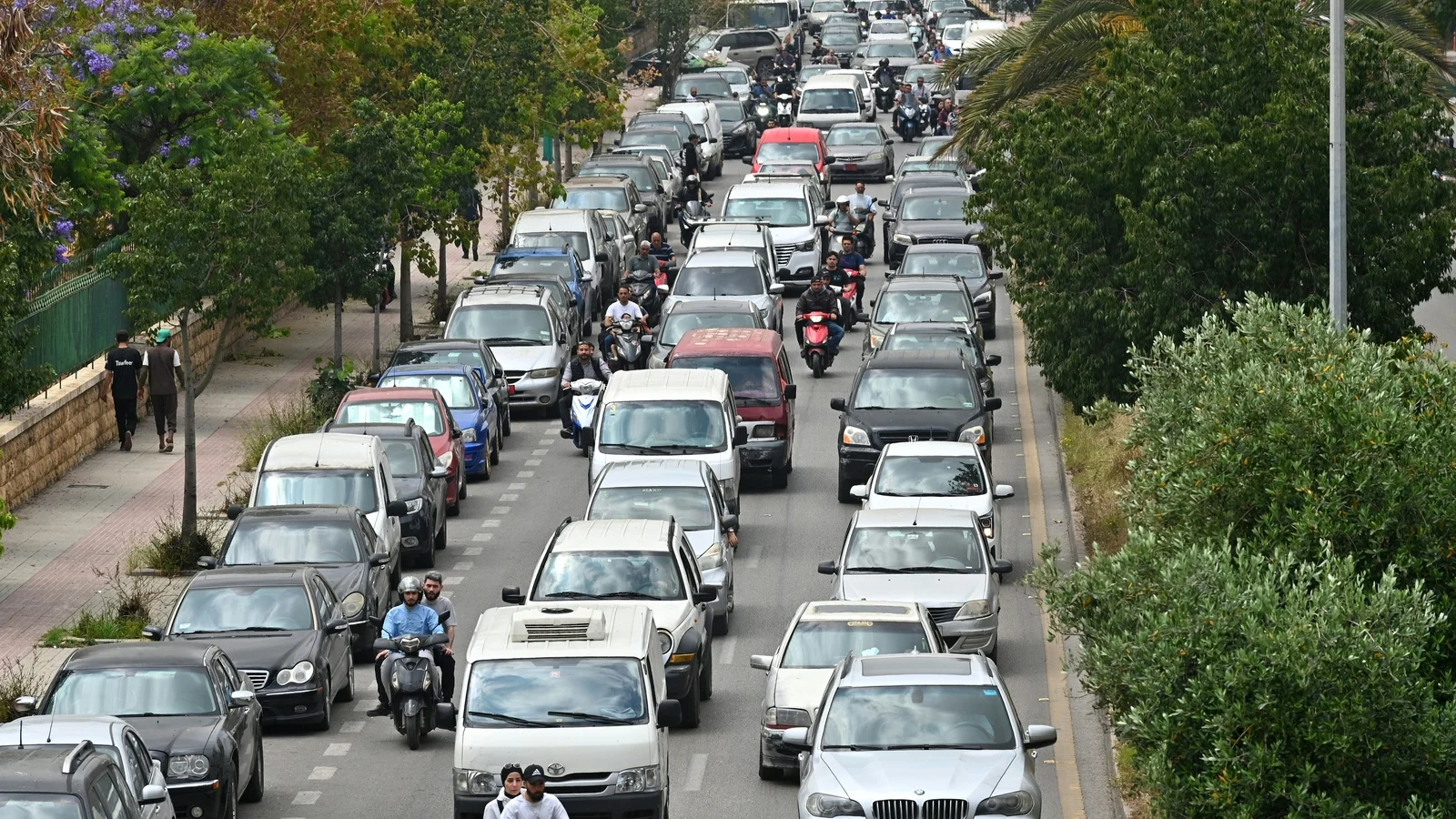
Residents began fleeing Beirut’s southern suburbs, known as Dahiyeh, after an Israeli warning, adding to a mounting humanitarian toll in a conflict that has displaced more than one million people across Lebanon.
“There will be no situation in which Hezbollah attacks our cities and our citizens, and its terrorist headquarters in Beirut, in Dahiyeh, will remain out of bounds,” Mr Netanyahu said in a video statement.
Mr Netanyahu said Israel was continuing to intensify its ground operations in Lebanon, where Israeli troops have carved out a self-declared security zone in the south, which Israel says is intended to protect northern Israel from Hezbollah attacks.
Lebanese President Joseph Aoun and Israeli Prime Minister Benjamin Netanyahu have each spoken to US officials around de-escalation
After heavily striking Beirut’s southern suburbs in the war’s early weeks, Israel has launched only two attacks on the area since US President Donald Trump announced a Lebanon ceasefire on 16 April, even as fighting has persisted in southern Lebanon.
The conflict began on 2 March, when Hezbollah opened fire on Israel in solidarity with Iran as it came under US-Israeli attack.
Mr Netanyahu and Defence Minister Israel Katz instructed the Israeli military to hit “terrorist targets” in the southern suburbs, according to a statement from Mr Netanyahu’s office, citing Hezbollah’s “repeated violations” of the ceasefire and “attacks against our cities and citizens”.
The decision came after a weekend surge in clashes in the south, during which Israeli forces captured the 900-year-old Beaufort Castle.
Hezbollah — founded by Iran’s Revolutionary Guards in 1982 — said its fighters launched a missile barrage at Israeli military infrastructure in the Israeli city of Tiberias at 1am on Monday, and described it as one of several actions carried out in response to what it called Israeli ceasefire breaches.
Israeli Defence Minister Israel Katz said there would be no “calm” in Beirut without “calm” in northern Israel.
Lebanese authorities say Israeli attacks since 2 March have killed more than 3,400 people in the country, after Hezbollah opened fire on Israel in support of Iran as it came under US-Israeli attack.
Israel says 24 of its soldiers and four civilians have been killed over the same period.
US proposal demands Hezbollah cease fire first
The fighting has intensified despite rare Washington-supervised contacts between the Lebanese and Israeli governments.
A US official said yesterday that Secretary of State Marco Rubio spoke with Lebanese President Joseph Aoun and Mr Netanyahu about negotiations between Israel and Lebanon, and put forward a plan aimed at “gradual de-escalation”.
Under the first step outlined by the US official, Hezbollah would halt all attacks on Israel and Israel, in turn, would avoid escalation in Beirut.
Latest Middle East stories
The official said Mr Aoun sought to move the proposal forward and secure an agreement.
However, the official said Lebanese Parliament Speaker Nabih Berri — who said he could “guarantee” Hezbollah’s adherence to a ceasefire — argued that Israel should bear responsibility for ending hostilities by not “shooting first”.
Mr Berri, a Hezbollah ally, told Lebanese media yesterday that he would guarantee Hezbollah’s “full and immediate commitment to a ceasefire”. “But the question is, who will compel Israel to stop its aggression?” he said.
A senior Lebanese source told Reuters the US plan envisioned Hezbollah ending strikes on northern Israel in exchange for sparing Beirut and its suburbs from additional attacks, as an initial step towards a comprehensive ceasefire.
The source said Mr Berri instead pushed for a full and wide-ranging ceasefire rather than a staged, piecemeal arrangement.
A second Lebanese source familiar with discussions between Beirut and Washington said Mr Netanyahu’s announcement showed the US-led diplomatic effort was deteriorating.