The world is barreling toward dangerous levels of warming, and UN Secretary General Antonio Guterres is urging governments to act as if the clock is already running out.
Addressing a high-level climate meeting in New York, Mr Guterres called on every country to set out a clear roadmap for moving away from fossil fuels, warning that current pledges still point to more than 2C of global warming.
With the planet nearing an overshoot of the 1.5C threshold, he said governments must pick up the pace on renewable energy and bring emissions down sharply, not allow them to keep climbing.
Mr Guterres pointed to the emerging super El Niño as a force amplifying climate impacts at a moment when global greenhouse gas emissions are still moving in the wrong direction.
“The world is crying out for climate justice – in mitigation, in adaptation, in finance,” he told political leaders attending the meeting.
“We must answer that call with action. And we don’t have a moment to lose.”
Mr Guterres said the science now suggested the world is headed for an overshoot of the 1.5C limit.
He argued the task now is to make that overshoot “as small and as short as possible”.
He also delivered a blunt rebuke of continued growth in fossil fuel production, saying reliance on oil and gas is inflating costs and siphoning away government budgets.
Beyond the financial hit, he said it leaves countries exposed to geopolitical conflict and to decisions taken far beyond their borders.
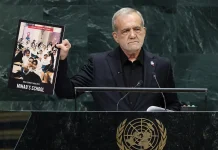
UN Secretary General Antonio Guterres spoke to delegates at the General Assembly
“Doubling down on oil and gas will only lock in vulnerability for decades,” he said.
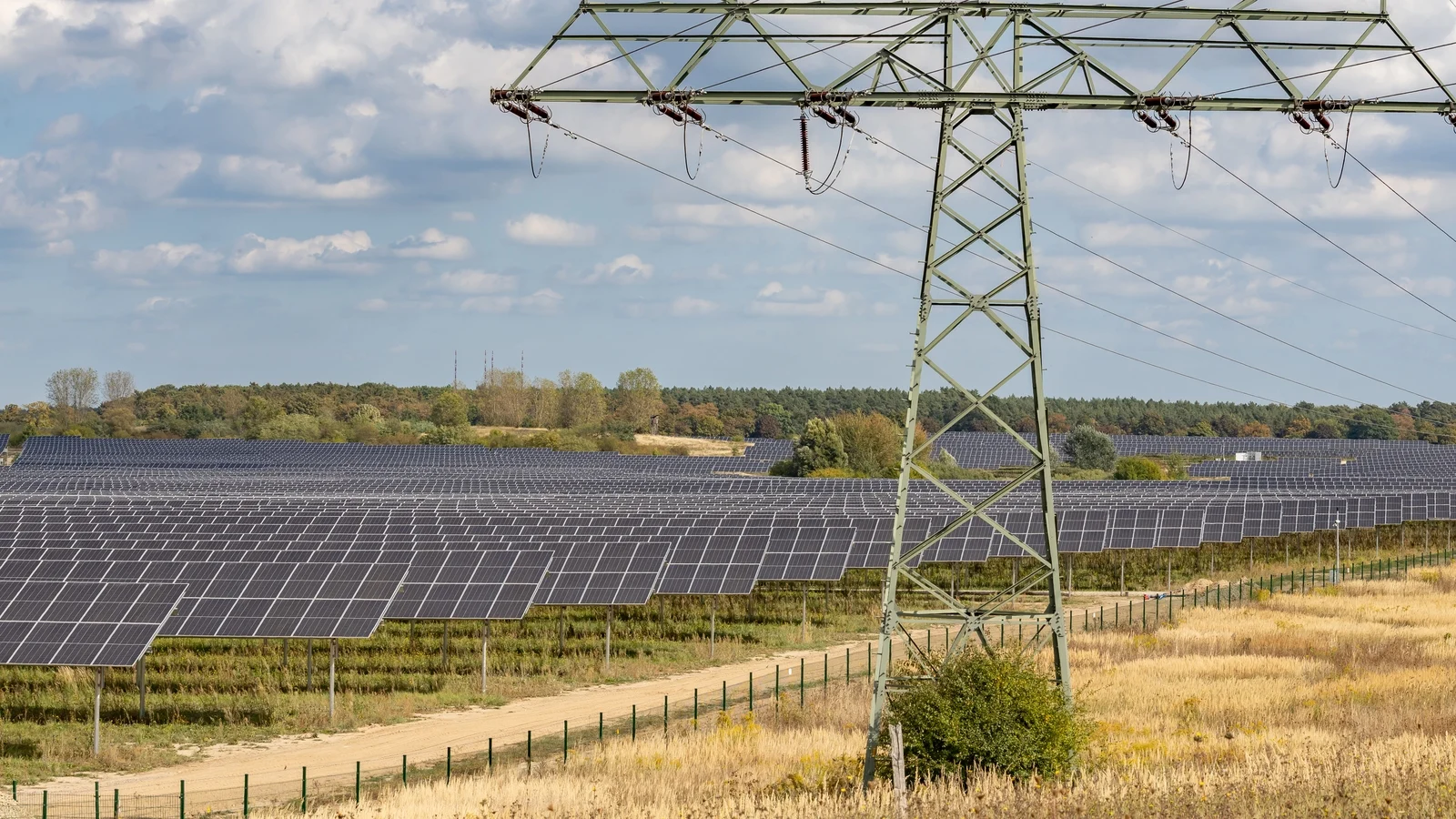
Renewable power, he added, is increasingly the cheapest, fastest and most secure way to bring new electricity online in almost every region.
“Clean energy has gone from alternative to unstoppable,” he said.
Even so, Mr Guterres cautioned that full delivery of existing national climate plans would still put the world on track for more than 2C of warming.
He said the gap between promises and what science demands must be closed in this decade.
To do that, he called for renewable energy capacity to be tripled and for progress on energy efficiency to double.
He said countries must also electrify their economies, cut methane emissions, stop deforestation and accelerate the shift away from fossil fuels.
While urging all governments to raise ambition, he said the G20 group of major economies bears a special obligation to lead, because it is responsible for around 80% of global greenhouse gas emissions.
At the same time, he stressed that the transition cannot be allowed to deepen inequality.
Workers and communities affected by the shift should be directly involved, he said, and developing countries must share in the economic gains that flow from new energy systems.
Mr Guterres warned that without a major increase in adaptation investment, droughts could turn into food crises, storms into debt crises, and heatwaves into increasingly deadly events.
He called for adaptation funding to be tripled and for climate resilience to be embedded in government policies, budgets and infrastructure choices.
Mr Guterres said the accelerating climate crisis now demands action that accelerates alongside it.
“We are the first generation with the tools to end the fossil fuel age – and the last who can avert climate catastrophe,” he said.