Black Ink on White Paper: What the Partially Censored Epstein Files Reveal — and Hide
On an overcast morning in Washington, stacks of legal paper landed in inboxes and on news desks like small, strange snowdrifts: court filings, photos, and binding memos about Jeffrey Epstein, the financier whose crimes have become a mirror reflecting power, privilege, and secrecy.
But the documents were not a clear window. They arrived riddled with black rectangles, whole photographs scrubbed of faces and details, pages where entire paragraphs had been silenced. The reaction was immediate — outrage, confusion, grief. Survivors of Epstein’s trafficking ring called the release a betrayal; lawmakers demanded answers. And in the middle of it all, the Justice Department insisted that the edits were about protecting victims, not protecting politicians.
The optics of redaction
“When you release a file with a woman’s face blacked out, it looks like someone is hiding something,” said a survivor-advocate who has worked with several Epstein victims. “It’s like being censored again. We were hoping for light; instead we got shadow.”
The deputy attorney general — speaking for the department — defended choices that left many eyeballs rolling toward the nearest black squares. “We removed one particular photo specifically out of concern for the women depicted,” the official said. “That decision was made to protect the privacy and safety of survivors. It had nothing to do with any public official.” When pressed about whether political pressure influenced any redactions — a claim that, if true, would break federal law — the official replied bluntly: “Absolutely not.”
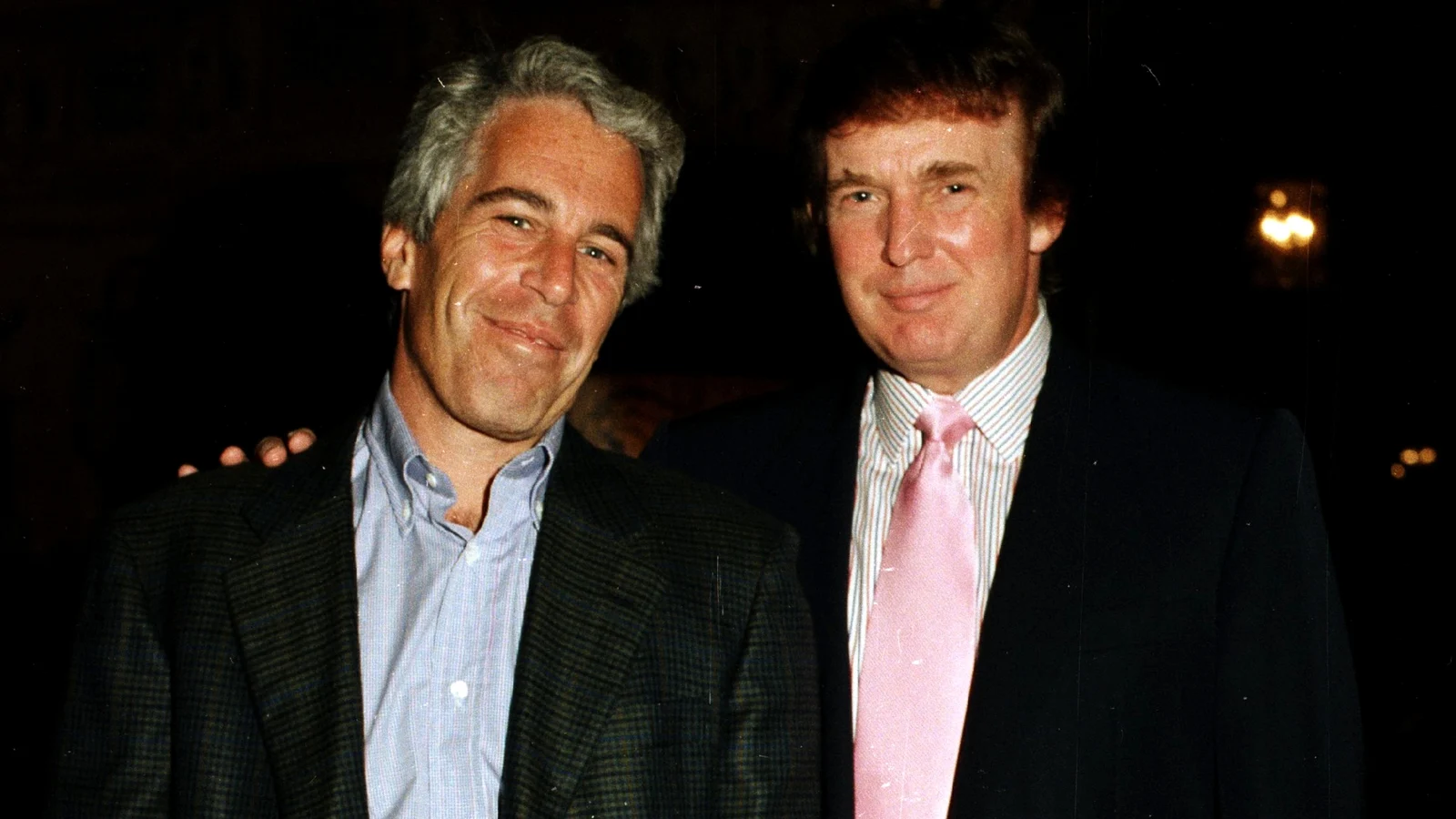
Still, the visual drama fueling headlines — images with faces and whole scenes obscured, several photos apparently showing prominent figures now partially hidden — only deepened public suspicion. Some pages included censored images of familiar names once linked to Epstein’s orbit: photos that suggested the presence of former presidents, entertainers, and globe-trotting jet-setters. The result: a document dump that told two stories at once — the horrors of abuse and the endurance of secrecy.
Voices from the street and the halls of power
Outside the federal courthouse, where a small circle of survivors, advocates and reporters had gathered, the mood was raw. “This isn’t protection — this is a curtain,” said a woman who drove in from New Jersey to watch the release. “We wanted the truth for our children. Instead, what we get is another puzzle for the tabloids.”
Lawmakers from across the political spectrum were vocal. One congressional leader demanded a written explanation from the Department of Justice within two weeks, calling the initial release “inadequate.”
“If these redactions are meant to spare victims, we deserve to see the legal rationale on paper,” another senior lawmaker told reporters. “Transparency is what will heal here, not more secrecy.”
At the same time, a faction of legislators — some who had long championed fuller disclosure — accused the administration of selective concealment. “We’re not asking for revenge; we’re asking for the document in its entirety,” said a representative who has repeatedly pushed for full publication. “Anything less is an affront to the survivors.”
Experts weigh in
Legal scholars note the tension here is not purely political. “Courts and agencies routinely redact identifying information to protect victims,” said a law professor who studies privacy and human trafficking cases. “That is a legitimate concern. But when redactions are unexplained and threaded through documents that touch on powerful people, the public’s default response is suspicion. Agencies lose legitimacy when their choices are opaque.”
Another expert on public records pointed out practical complexities. “These files come from multiple sources — state, federal, civil and criminal proceedings. Some material is subject to grand jury secrecy rules, some to privacy laws, and some might contain third-party rights. Extracting a legally defensible, fully public document is painstaking.”
Why the files matter — beyond the headlines
This is not merely a story about one man’s crimes or a handful of celebrities. It’s about how a network of wealth, elite social circles and institutional failures can intersect with human suffering. Jeffrey Epstein died in a New York jail cell in August 2019; the medical examiner ruled the death a suicide. Ghislaine Maxwell — the one person convicted in connection with the trafficking scheme — received a 20-year sentence for recruiting underage girls for Epstein. Yet for many victims, the criminal convictions only opened new questions about the scale and enablers of abuse.
The law that compelled these documents into the public arena was the product of bipartisan pressure. Members of Congress argued that sunlight would prevent the kind of plea deals and deferred prosecutions that once allowed Epstein’s operations to slip under the legal radar. But now, the partial release has raised doubts about whether the new light is bright enough.
How important is full disclosure to justice? The question matters to survivors seeking validation, to prosecutors building potential further cases, and to the public trying to reconcile power and responsibility. When institutions redact without clear, timely explanations, they risk fueling conspiracy alongside legitimate critique.
Small details, large consequences
Walk the perimeter of the courthouse and you’ll hear voices that connect this federal drama to daily life: an elderly neighbor remembering the socialite parties she read about in gossip columns decades ago; a young law student who says she came to watch transparency play out in real time. “It’s not just about who’s in the photos,” the student said. “It’s about whether our system treats abuse as a subject to be guarded or a wrong to be corrected.”
Meanwhile, commentators on social platforms — from the left and the right — have filled the gaps the black ink left open. Conspiracy theories find fertile ground in absence. Fact and fiction begin to blur when official explanations are scant.
Where do we go from here?
There are practical steps that could help restore public trust: a searchable index of the released files, clear legal memos explaining each redaction, and an independent review of whether additional materials should be public. Survivors’ counsel and privacy advocates say that careful, transparent processes — not blanket blackouts or defensive rhetoric — will better protect victims and bring clarity.
But the larger question is moral: do we as a society tolerate the idea that proximity to money and fame can insulate wrongdoing? Or do we insist that the rule of law must be visible and accountable, even when the actors are powerful?
As you read about blotches of ink and the faces that remain hidden, ask yourself: what would justice look like here? Is it raw exposure of every photograph, or a sensitive, reasoned disclosure that centers survivors? Can the same system do both?
At its heart, the controversy over the Epstein files is less about one photograph and more about trust. Trust that institutions will act fairly, trust that survivors will be heard, and trust that power will not automatically translate into protection. The inked pages offer an uncomfortable lesson: transparency isn’t just a policy choice — it’s a public good that must be earned, maintained, and explained.